by Amy Richards
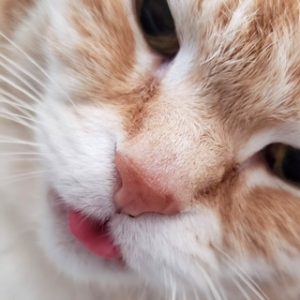
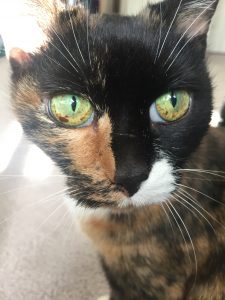
One of the best things to come out of the previous years is the story of how #MargoTheComebackCat came to the Humane Society of Loudoun County and made all of our hearts grow. It all starts in May of 2019 when we were picking up a senior cat from a shelter in Maryland. While we were on our way, we received a plea asking if we could take another senior cat while we were there. Upon learning more about this sad, surrendered soul, there was no way we could turn our backs on her.
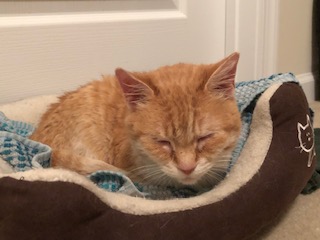
Margo was an owner-surrender due to allergies and was just one day from being euthanized when we rescued her from the overcrowded shelter. Stressed and nearly blind due to high blood pressure, Margo was shutting down in the shelter environment. She was in dire need of a second chance. After spending a few days between a foster and one of our trusted veterinarians, it was even more clear that she desperately needed a single, soft place to land and rediscover herself. Thankfully a former adopter offered up their extra bedroom to see what a little TLC could do for this old gal.
It was a slow and scary start. Margo was so severely depressed that she wouldn’t eat and had trouble walking from arthritis. Her blood pressure was so high that her vision was a serious issue. After days of force-feeding, Margo started to show some signs of life. A few weeks of gaining her trust by being present for her and providing more treats, she continued to open up. Soon, she was happy to receive affection. She enjoyed brushings. And she even started to take treats by hand. Margo then made fast friends with the furry foster family members and became eager to spend time with the entire family. She would meow as soon as she heard everyone up for the day and even learned to manage the stairs! The family created a game called “Margo Polo” to make sure she could follow their voices to find them wherever they were in the home.
Margo had regular vet appointments to monitor her blood pressure which got under control with medication and lower stress living. She also began laser therapy to help soothe her arthritic joints. She was eventually able to turn around without falling over! With the improved blood pressure, also came slightly improved vision. Our former lost soul truly blossomed into #MargoTheComebackCat.
There were still some bumps in the road and some potential homes that fell through, but no one gave up hope. Everyone knew that the purrfect home was out there somewhere, and Margo’s time would come. And sure enough, she was seen on a courtesy post through the Facebook page NoVa Cats. Her future momma was looking for a lounging lap cat, and Margo fit the bill to purrfection!
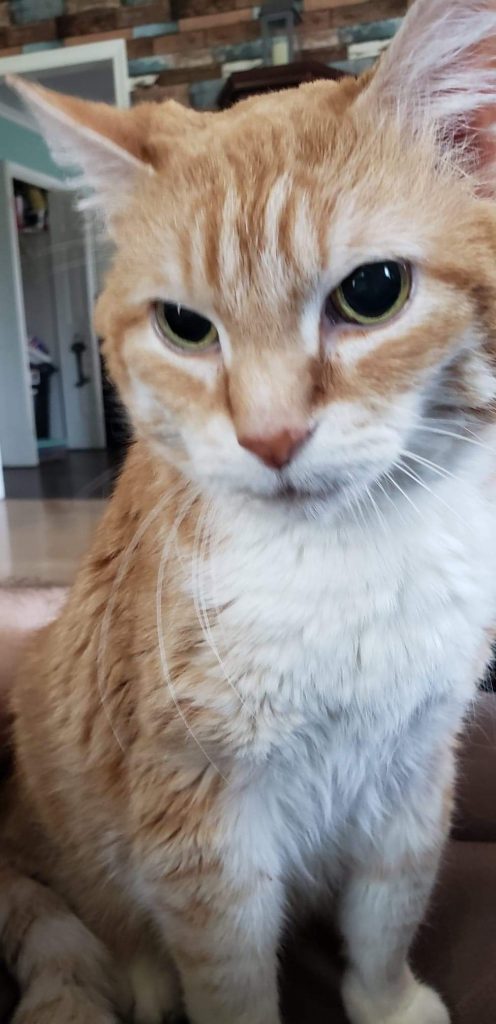
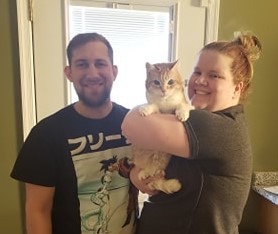
Welcomed into her furever home on March 01, 2020, Margo has been loved and pampered by her family.
Her mom Scarlett reports:
Margo is a cuddly bug. She just wants a nice place to lay even though she lays crazy. She is veryyyy stubborn and will let you know when she is done with your buffoonery. She is a little old lady making her laps in the mall everyday. She walks around the kitchen table and living room table maybe 5 or 6 times each and is very vocal when you are blocking her path. She likes to scratch the doorframe but [my husband] says it’s okay because she is funny. She eats with lots of head bobbing that’s hilarious to watch. She KNOWS when I’m up in the morning and she is awaiting her food, but she will stay knocked out when the dogs bark/vacuum/any loud noise. And even though [my husband] wasn’t sure about getting another animal when we did (with moving into a new house and all) I catch him cuddled up with her all the time. She LOVES laying on our bed. If she could easily get up and down, we would leave her up there all night. She gets around really well for her vision being what it is.
We couldn’t share success stories like Margo’s without the support of our amazing community and team of volunteers. Thank you for your contributions and continued support of the Humane Society of Loudoun County.
To learn more about Fostering and Adoption through the Humane Society of Loudoun County please follow this link: Humane Society of Loudoun County.
To learn more about the joys of adopting a senior pet please read the following: Why Adopt a Senior Pet.
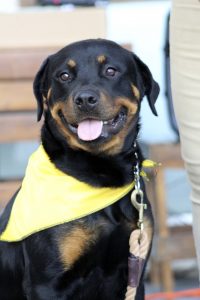
While 2020 was full of societal obstacles, The Humane Society of Loudoun County managed to produce record breaking numbers throughout the year. Just look at our numbers! Thank you to everyone who has helped make these numbers possible. We look forward to building on our momentum and having an even more successful 2021.
Breaking It Down
We Rescued: 336 dogs and cats most of which were adopted into their “furever” homes.
We Saved: 82 animals from euthanasia.
We Improved: the lives of 310 community cats through our TNR program,
We Helped: 927 pet owners save money for spaying and neutering their pets.
We Also Helped Deliver: 24,000 lbs of donated pet food to the Loudoun Pet Pantry at Loudoun Hunger Relief helping nearly 4,500 pets.
We’re Keeping: both feet on the gas pedal to achieve another record breaking year in 2021.


For our quick Volunteer Spotlight, we sat down with Davy Fogler and asked him a few questions about his volunteer experience.
How long have you been a volunteer for the Humane Society of Loudoun County?
I’ve been volunteering since March 2020.
What made you decide to start volunteering?
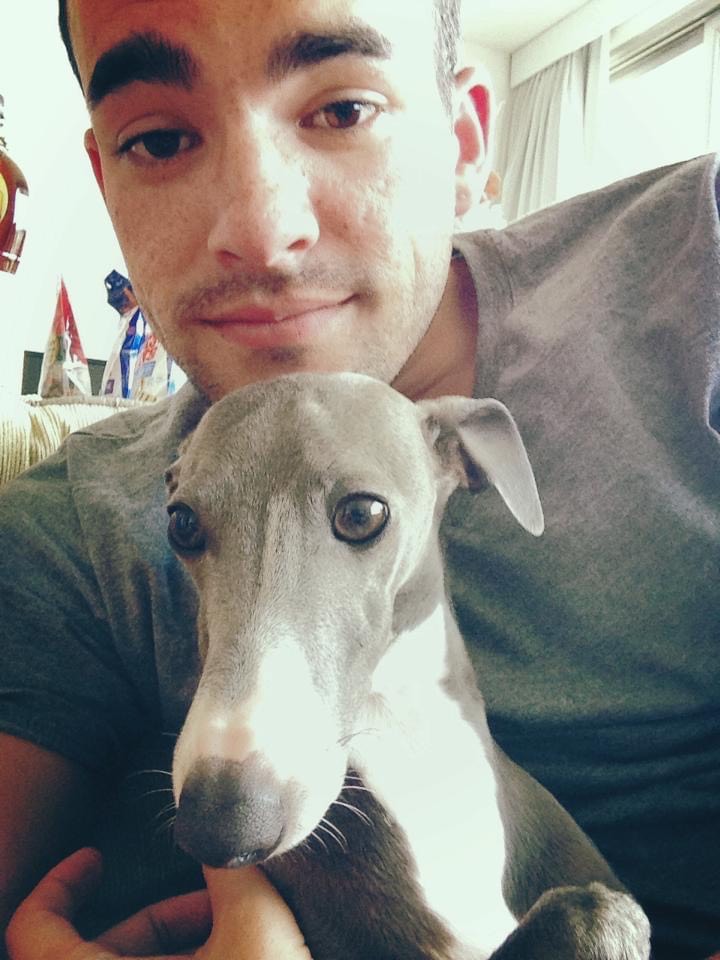
I started volunteering, like many others, during the initial Covid shutdown – and chose HSLC because I love animals and enjoy working as part of passionate teams. I also really enjoy making processes more efficient, so helping the adoption and foster teams seemed right up my alley!
What is your role?
Well, I started on the Adoption Team, helping to streamline the adoption application tracking process and the foster tracking process.
Oh! What is your role now then?
After helping the adoption and foster teams, I really wanted to find a way to be more engaged on the volunteer side and applied for the role of Orientation lead. I felt that sharing my passion with potential volunteers and helping streamline the onboarding process was another positive way I could give back to the community. I became Volunteer Orientation Lead in May 2020, and managed the virtual onboarding of new volunteers.
Board Vice President, Christina Levendosky, asked if I would be willing to take on the role of Volunteer Coordinator after a few months of leading orientations, and I officially became the program lead in November. In my new role, I recruit, train, engage, and acknowledge all the HSLC volunteers. I also coordinate the bi-monthly volunteer newsletter to help get information out.
What’s your favorite part of your position?
My favorite part of being the VC is getting to interact with all the different pet lovers throughout Loudoun County, and being able to see firsthand the impact that HSLC makes.
What are your goals for the Volunteer Management Program this year?
I want to increase engagement with our current volunteers because it has been hard with the pandemic to connect with each other. I also want to increase the number of volunteers we have to allow us to save more animals.
Any advice for potential volunteers?
Don’t be afraid to try new things! HSLC is super accommodating and will let you try out different roles until you find your place.
To learn more about volunteering with HSLC, please visit our website.
by Heather Nokes
Have you ever been to a shelter or looked at adoptable pets online, and most of them seem older? Distinguished grey faces. Lovely cloudy eyes. Unfortunately designated retirement homes for these pets are rare, so these animals need a loving home to live out the rest of their golden years.
What do we mean by “senior?”
Dogs are considered senior between the ages of 7 and 11, depending on size; while cats are considered senior at the age of 10. It is often at this time that they begin showing age-related changes: loss of vision, loss of hearing, weight gain, loss of energy, and/or arthritis and other joint problems. These changes are common reasons for senior pets to be surrendered to rescues and shelters. While these ailments might seem daunting, most of them are easily treated with regular veterinary care and medications. Love and patience also help!
What you see is what you get!
When first adopting a pet, it is most likely that you will want to get to know them. With senior pets, they have an established personality and, as AdoptaSeniorPet.org says, what you see is what you get with a senior pet! In comparison to a puppy or kitten, you do not need to wait months for their personality to blossom. It is also more likely that senior pets have experience with people, just as a seasoned pet owner does with animals. They know what they like just as you do. Again, what you see is what you get!
Senior pets also tend to be more loyal. They are grateful to be around people, to have toys, and to be fed. It is not hard to please them. They tend to be more relaxed than a young pet; napping and eating all day is enough for them to be happy. Unlike puppies and kittens, senior pets do not demand constant attention. They don’t need to play as often, and they do not need as much training!
Save a life!
Possibly the best reason to adopt a senior pet is the fact that you are saving a life. Many senior pets in rescues and shelters don’t find a home due to the fact that they are not as outgoing and active as younger animals. They just don’t “stand out.” This also means that they tend to be euthanized if health issues arise or if space in the shelter is needed. By adopting a senior pet, you are quite literally saving a life while making your life more fulfilling in return. Be a hero and adopt a senior pet!
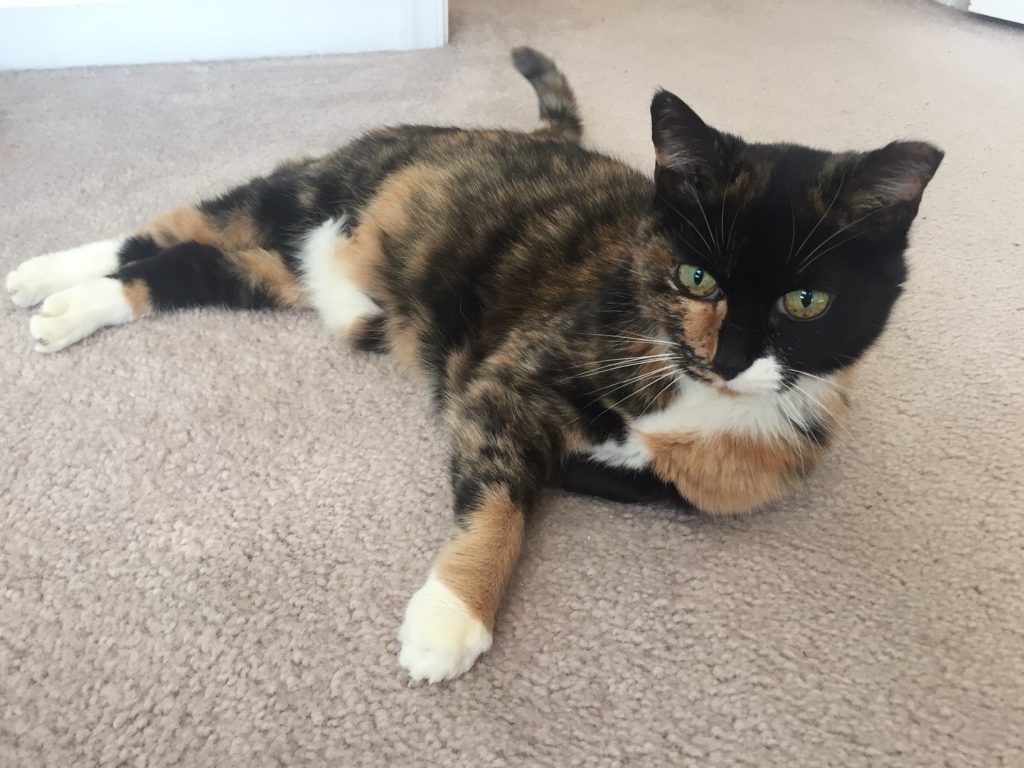
Despite a record number of adoptions this year, there are still many senior pets–like Lily pictured here–who find themselves without homes at rescues and in shelters across the U.S. Find our available animals here. Keep in mind that animals are added periodically so always check back!
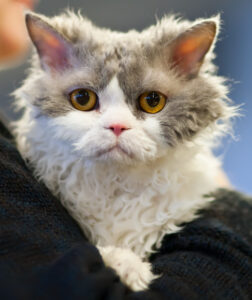
That’s right, there’s a whole month dedicated to the love of our furry feline companions. It is widely believed that cats domesticated themselves by recognizing the abundance and ease of catching prey near human agricultural developments. They essentially chose us, and we are better for it.
Studies have shown that cat owners may experience better mental health than individuals without pets. Cats are great stress reducers. Just 15 to 30 minutes of quality time with a cat can calm your nerves and boost your mood. When you spend time with a cat, your production of serotonin (a chemical that boosts feelings of well-being) goes up, and your cortisol levels (a buildup from stress) go down. Adults and children alike report feeling happier and having more positive feelings if a cat is part of their family. How could you not feel better with a purring ball of fur curled up beside you? And, if you adopt from an animal rescue or shelter, you will feel extra warm and fuzzy that you just saved a precious little life.
If the prospect of warm fuzzies isn’t enough, the Humane Society of Loudoun County has laid out five more reasons cats make great pets.
-
They’re Fairly Self Sufficient
Remember, they chose us. Cats have remained fairly unchanged genetically, meaning they are still capable of living in the wild (but we do discourage allowing domestic cats to roam outside). Cats are still incredibly low maintenance, and very independent, and self-sufficient. Cats also groom themselves, so they don’t need frequent baths. We do, however, recommend they have their teeth and ears cleaned regularly.
-
Small Space, No Problem
Cats are also perfect for apartments or city living. They don’t need a huge backyard or tons of space to play and explore. They are content with nosing their way through the nooks and crannies of your home. As long as you give them plenty to do and have toys available to keep them entertained, cats are happy. A living space and a basic feather toy might be all you need to make playtime a breeze.
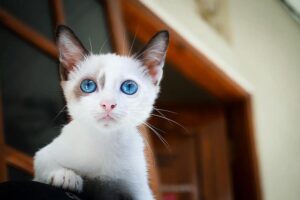
Cats can often adapt easily to smaller living environments if you give them a lot of vertical space to move around in, such as cat trees and cat “shelves” that are mounted on the wall.
-
Housebreaking Made Easy
Cats are really good at learning potty training on their own. They like to have their own space and privacy so provide one litter box per cat, plus an additional box, and kitty litter, and they will be happy.
-
Shhhh
Worried that bringing a pet into your home might disrupt things? No worries! Cats are relatively quiet animals; they are almost always in stealth mode. Yes, they’ll meow every now and then, but you don’t have to worry about them barking or even making much noise when they walk.
-
They Bring the Love
The main reason people become pet owners is because of an innate love or affinity for animals. Cats bring tons of love and joy into a household. They are wonderful pets and companions.
If you want to take part in National Cat Lovers Month, please consider adopting through the Humane Society of Loudoun County. There are plenty of cats available for adoption so make sure you take the time to read through all the available information on our website in order to make a fully informed decision. Your future cat companion may be just a click away!
Bonus Way to Celebrate National Cat Lovers Month:
FOSTER
While fostering is still a commitment, it is a more temporary way to help out an animal in need. Your individual attention will give a cat a boost of confidence until it finds its forever home. And if you are interested in fostering, consider fostering a senior cat, a special needs kitty, or an orphan kitten. Follow this link to learn more about fostering through the Humane Society of Loudoun County.
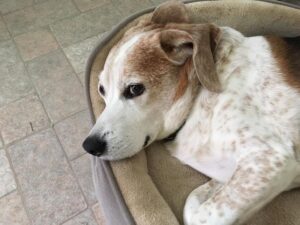
By Madeleine Devost
“He’s as happy as a clam!”
These were Diane Rice’s words after deciding to adopt Rebel (“Reb”) – a senior dog she had been fostering for two months through the Humane Society of Loudoun County (HSLC).
I recently had the pleasure of speaking with Diane, one of HSLC’s board members and foster parents. Over the past few years, Diane has fostered seven dogs 8 years old and up, two of them with HSLC. She offered some insight on how rewarding it is to foster and adopt senior dogs.
Diane and her husband, Mike, began to take in older dogs as they grew older themselves. Although senior animals sometimes come with health problems, HSLC covers all necessary medical expenses when fostering, including spaying and neutering. They found joy in giving these dogs the best lives they could for as long as possible.
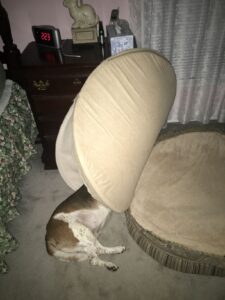
Reb doing his best impression of a taco– with help from his cave bed.
Rebel was rescued from an abusive household in which he was neglected and threatened by his owners. The Rices offered a safe and caring home where he could heal both emotionally and physically. They didn’t change his name which is important when taking in older dogs as it helps them to adjust more readily to their new environment.
After just a few weeks, they decided that Reb belonged with them for whatever time he had left. We can only imagine how thankful he was for their care.
One of Diane’s fondest memories of Rebel was when he would burrow under the blankets and towels in the house. Taking this cue to heart, she bought him a cave bed. Late one night, Rebel was sleeping peacefully in his new bed and it looked like he was wrapped up in a taco shell!
Recently, Reb passed away with Diane and Mike by his side. Diane shared the sad news on Facebook:
This dear little old man left us tonight for the Rainbow Bridge. Rebel was 14 and the sweetest Beagle ever. Although he had only been with us for a little over a year, we enjoyed every day of our time together. He was a real Momma’s boy and LOVED belly rubs and food food food! We will miss him so very much!
You can’t change a senior dog’s past. But, you can give them the care they deserve in their golden years. In return, they will reward you with boundless affection, devotion and love.
By Sharon Nylec
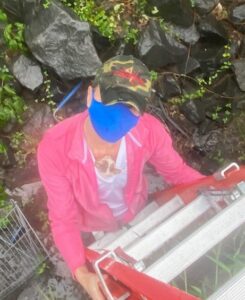
Our story begins as they all do. Jenn Reed, TNR/feral kitten specialist and long-time volunteer for the Humane Society of Loudoun County, got a call about some kittens in a ravine behind a Harris Teeter shopping center. When Jenn arrived to assess the situation, it was a lot more difficult than she thought it would be. The kittens were located in a very precariously located pile of rocks which was 10 or 12 ft below street level. Next to the rocks was a stream that was definitely built to catch storm water runoff, and the forecast said we were going to get some big storms for the next couple of days.
The kittens were in a dangerous spot. There really was no other way to get to them without a ladder. So Jenn called her step dad, Mike, and he rushed right over with an extension ladder. He held it while Jenn climbed down into “Kitten Canyon”.
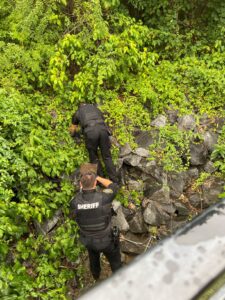
Now, this scene apparently looked suspicious to the good shoppers of Harris Teeter. I mean, no good can come from masked people who show up with tuna and traps. They weren’t sure what law we were breaking, but Jenn and I were looking (and smelling, thanks to the tuna) a little fishy so they decided they better call Loudoun’s finest to assess the situation. Pretty soon, two cars from the Loudoun County Sheriff’s Office (LCSO) rolled up. As soon as Jenn explained there were helpless kittens in a ravine and that a big storm was coming, Deputy Torres and Deputy First Class Chenari were ready to shift into rescue mode.
A gentle rain began to fall, a harbinger of the deluge to come. With all eyes on the gloomy sky, Jenn and the deputies got to work with carriers, flashlights, and bite gloves. Meanwhile, I stood with them in the rain playing a video of a mama cat over and over hoping the sound would calm the kittens and lure them out of hiding. Not long after we put our minds to it, we liberated the first baby kitten from the cave underneath the rock pile. That moment was like uncorking a bottle of kitten champagne, because in the next hour–in lightning, thunder, and steady rain– seven more kittens came trundling out of the rock hole/cave to see where their brothers and sisters had gone.
Duty called and the deputies had other matters to attend to. So they didn’t get to see what happened after they pulled the first baby out from under the rocks. But that’s exactly what started the ball rolling. Plus, there was this dedicated HSLC volunteer with bull dog tenacity, and unparalleled rock-scrambling ability: Thanks Jenn for sticking it out in cruddy weather and for saving 8 more little lives!
In closing, it is a FACT that kittens born outdoors are never anywhere convenient. So, that is why you may find HSLC volunteers lurking in back allies, ravines, dark spooky woods or next to garbage dumpsters on a Saturday night. It’s okay, you can call the cops on us, we like recruiting new friends and volunteers. Speaking of which, thanks again to Deputies Torres and Chenari for uncorking the kitten genie bottle!
-
- C’mon out little buddies!
-

- Jenn descending into Kitten Canyon
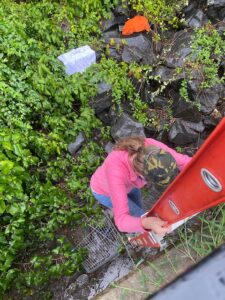
-
- Last two and now the kitten genie bottle is corked!
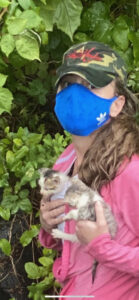
-
- Good job, Deputies!
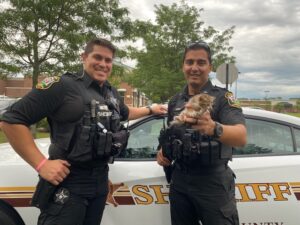
-
- 8 little lives saved!
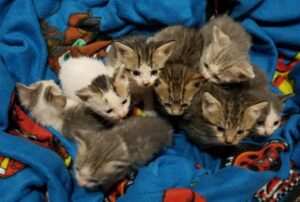
By Heather Nokes (aka Your Neighborhood Vet Assistant)
UPDATE: As of July 1, 2024, both Virginia and Maryland have outlawed declawing in most cases.
Scratching and clawing behavior is one of the reasons cats are often rehomed or not adopted. While declawing can seem like a viable solution, this controversial procedure actually creates more problems than it solves.
Why do cats scratch/claw?
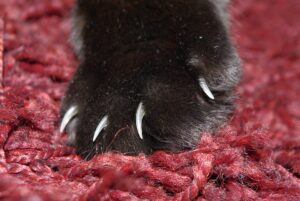
- To “sharpen” their nails. Like any other animal, cats’ nails are constantly growing. This means that the outer husk of their nail dies off as the new nail emerges underneath. Often, cats scratch things in order to shed this husk. Not only does scratching “sharpen” the nail, it makes the cat feel better.
- To stretch their muscles. If you have ever witnessed a cat scratching or clawing something, you can attest to the fact that they often stretch out their front legs as far as they can go. Like the downward dog pose in yoga, this opens their body up and feels good.
- To mark their territory. When a cat scratches something, it leaves its scent behind on that object. Other cats can smell this and are warned of their trespassing. This is often comforting to the scratcher, especially the insecure ones, and makes them feel more at home.
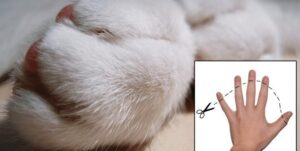
If performed on a human being, declawing would be like cutting off each finger at the last knuckle.
What is declawing?
- The declawing procedure is referred to as an onychectomy. Per Merriam-Webster, this procedure is the “surgical removal of a toenail or fingernail”. However, the surgery itself involves using either a sterile nail trimmer, surgical blade, or laser to literally cut through the bone of the third digit of the toe, which is the bone from which the claw grows.
Why is the procedure so harmful?
- It is very painful. Imagine getting the last digit of your toes or fingers cut off. It would be difficult for you to walk or use your hands and feet for a while after the procedure.
- It can cause complications, diminishing the cat’s quality of life. A cat without claws is unable to defend itself and may become a biter because they no longer have their claws for defense.
- In addition, even when the procedure is done with great precision, it can leave the cat with an altered way of walking which can lead to the development of arthritis.
- For several days after surgery, shredded newspaper is typically used in the litter box to prevent litter from irritating declawed feet. This unfamiliar litter substitute, accompanied by pain when scratching in the box, may lead cats to stop using the litter box.
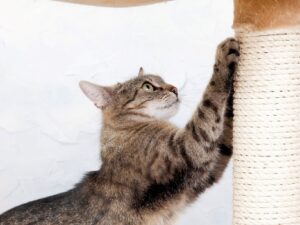
Train your cat to use a scratching post by sprinkling it with cat nip.
What are the alternatives?
- If adopting a young cat or kitten and a scratching problem is noticed, it is important for the owner to train their cat where it is appropriate to scratch, and where it is not. Scratching posts, boards, and furniture are available for sale almost anywhere pet products are sold. Because clawing and scratching is a natural behavior, kittens and young cats that have access to the appropriate scratching tools will use them.
- There are some cats that will just scratch whatever they see first, whether it be a scratching post or your grandmother’s antique chair. There are products that are meant to deter or attract cats from scratching. For example, something as simple as sprinkling cat nip on the scratching post can entice the cat enough for them to scratch there. There is also tape that can be applied to vertical surfaces of furniture. This tape is meant to be safe on furniture but uncomfortable for the cat when they attempt to scratch.
- Nail Caps. Talk to your veterinarian or local pet store employee about nail caps. These are made to fit over your cat’s nails and stay on with glue. Often made of soft plastic, the cat cannot do as much, if any, damage when scratching with them on.
- Frequent Nail Trims. As stated before, cats’ nails are constantly growing. By trimming them every week or two, the cat will not feel the need to scratch as much.
Declawing is illegal in over 40 countries and counting. Several cities in the U.S. have banned declawing. And, last year, New York became the first state to ban the procedure except in rare cases when it is medically necessary. The American Medical Veterinary Association (AMVA) “discourages the declawing (onychectomy) of cats as an elective procedure and supports non-surgical alternatives to the procedure.” HSLC does not condone declawing and will refuse an adoption if the candidate plans to declaw.
By Stephanie Oporto
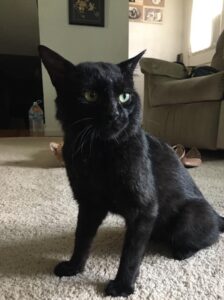
Tonight Mochi – now known as Hubble, went to his furever home. As always, it was a bittersweet “goodbye”. This time was a new experience for me as a foster mom as I am also a stepmom in training.
I admit, I do shed tears for each cat who has been adopted in my care–but this time was different.
We didn’t have Mochi long but our Ella (8 years old) bonded quickly to him. He was super friendly and was her little buddy. She’s been a great helper, seems to truly love cats and takes a real interest in animals.
Tonight as the forever family met with Mochi, Ella had a hard time. Normally I’m the one who has the hard time. But as the family started to leave, Ella broke down and cried in my arms. It was heartbreaking to say the least. Yet somewhere in between our tears, I felt there was something positive that could come from this moment.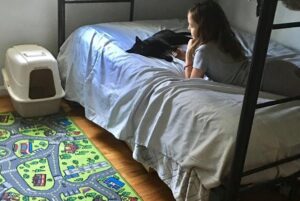
I have been teaching the kids what it means to foster and why I choose to do what we do. Most importantly, I stress that I am not “giving a cat away” as it may seem to young eyes. I want them to understand that we are saving them–that this is for the greater good. I hope she understands (I think she does) and I hope this teaches the kids what it means to love and care for animals on a deeper level. It is important to fully respect and protect them and see them as a life worth living and not ever as an accessory.
We talked about it and I think she feels the same way I do. There is sadness, of course, of missing them and wondering “Will he be okay?…will he be loved?…can they love him like I do?” In the end, I think it was actually good for Ella to know she can care for something and really love another.
So tonight we all cried a little, both sad and happy tears as it turns out. We love you Mochi and all the joy you will bring to your new family, their son and those who are lucky enough to meet you!
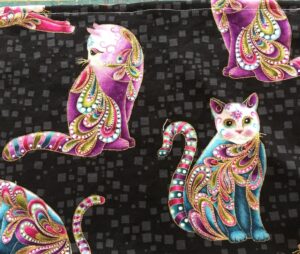
When the Humane Society of Loudoun County (HSLC) received a generous check with a note indicating that the donation came from selling masks, we were intrigued. So, one of our volunteers reached out to the donor, Cyndi, to learn more.
Cyndi had teamed up with her friend and neighbor, Cathy, to hatch the mask-making enterprise. Cathy custom makes each mask while Cyndi markets them. Masks sell for a very affordable $7 for adults and $6 for kids, with $1 donated to HSLC for each mask purchased. So far, the dynamic duo has sold hundreds of masks and will keep the operation going as long as there’s demand.
The partnership has been very rewarding for Cyndi and Cathy, and win-win for the community. As Cyndi told us, “It’s been a fun endeavor helping people to stay healthy while also helping the animals get the medical care and forever homes they desperately need.”
If you are interested in purchasing masks, be sure to check out the photo gallery below to see the wide variety of available patterns–including cats and dogs! Masks are made from 100% pre-washed cotton. Please email Cyndi to select your pattern at Masksbycathyandcyndi@yahoo.com and Cathy will custom make your mask(s) for you. Limit is 30 masks per person. Payment is via check or Venmo.
Thank you, Cyndi and Cathy for making a difference in the community during these challenging times!

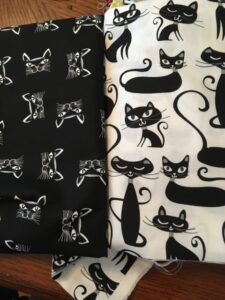
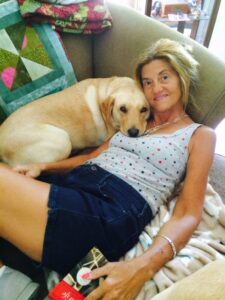
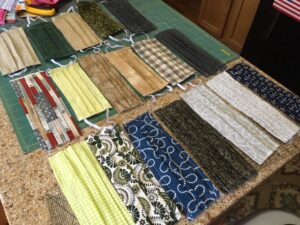


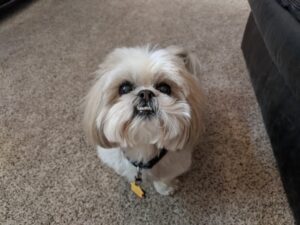
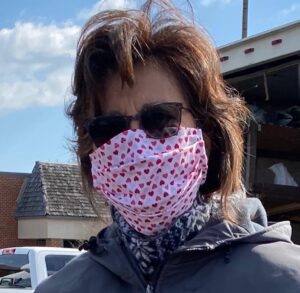
The gallery also includes Cyndi’s dogs, Ace and Frodo, the “loves of our lives, especially now”. Cathy is pictured with one of her five fur babies. Her dogs are Casey, Carley and Cookie and the cats are Cairo and Cooper.