

By Kailyn Carr
When it comes to things we like or love, we tend to live by the philosophy that if one is good, two is even better. Why stop at one piece of chocolate when you could have two? Same goes for cats. What could possibly be better than two best friends instead of one? Though adopting in pairs may not be for everyone, the pros—including twice the love—often outweigh the cons.
Benefits of Adopting in Pairs
Starting with kittens (we’ll get to adults in a moment), here are seven ways fur-babies benefit from a twosome according to the Kitten Lady, Hannah Shaw.
- Learn by Observation – Kittens learn by observation and will more quickly pick up skills like using the litter box or grooming if they have another kitten or cat to teach them.
- Focus Play Aggression – Having a friend means they can take out their play aggression on one another (instead of on you.) They’ll also teach each other good boundaries about biting and scratching.
- Entertain & Enrich – When your kitten has a buddy, they’ll always be entertained, active, and enriched. And a happy cat makes a happy home!
- Keep Out of Trouble – One mischievous kitten can be destructive if left alone, but two kittens tend to keep each other occupied and out of trouble.
- Easier Intro to Adult Cat – If you have an adult cat at home, two new kittens may be easier to introduce into your family than one. While one kitten may nag an older cat, two kittens will keep each other company while the older cat watches from a distance.
- Comfort in Friendship – Having a pal will help your kitten settle into a new home. Just like humans, kittens have an easier time feeling comfortable trying something new if they’ve got a friend to do it with them.
- Bonded Pair Adoption – It’s easier to adopt a bonded pair than it is to introduce a new cat later. Adopting a dynamic duo ensures that you’ll have a harmonious home for years to come!
Adopting in pairs also has a positive impact on animal rescue groups like the Humane Society of Loudoun County. By adopting two animals, you free up two slots in a foster home or shelter which allows the rescue to save two more lives.
Bonded Pairs
A bonded pair contains two cats that have a special relationship. While kittens often are bonded early in life with siblings, close relationships between cats can occur at any age. This is due to their natural instinct as social animals to form a pack. These bonds often develop between mother and offspring and even individuals with no familial relationship (true best friends!)
Once a bonded pair is observed, caretakers preserve the relationship by housing the cats together and encouraging an adoption into the same home. Maintaining the bond between two cats is essential. When apart, one or both cats can become stressed, anxious, or even depressed without the other around.

Spotlight on a Purr-fect Pair: Ripley and Winston
One of our pawsome fosters, Kelly, fondly recalls her experiences fostering (and eventually adopting) mama Ripley and her son Winston. Here is what she had to say:
“Winston was always very attached to his mom and we’re so glad we didn’t separate them. They are so funny together–they roughhouse all the time and run around the house chasing each other. It keeps Ripley active as she ages. Plus, if Winston was an only cat, he would constantly be making mischief for us. Having another cat gives him an outlet for his energy. Of course, it’s also comforting to know they have each other when we’re not home. I truly think they’re happier because they always have a buddy.”
If you are interested in adopting one or more cats, visit the Humane Society of Loudoun County’s current clowder of adoptable cats here. Once you find your next family member(s), be sure to complete an application to start the adoption process.

By Madeleine Devost
Each year, nearly 10 million pets are lost in the United States. However, many are found when the owners take swift and necessary action. Summer can be a particularly scary time for pets who don’t respond well to fireworks and other loud noises or find themselves in strange places due to family travel. For these reasons, July is Lost Pet Prevention Month. I caught up with one of the Humane Society of Loudoun County’s most active volunteers, Jennifer Reed, who shared some useful tips she has picked up from her years of experience getting pets home safe and sound.
In preventing lost pets, owners should make sure to keep their pet safely quartered in the home when there are loud noises nearby such as fireworks, construction, or thunder. These disturbances can send pets into ‘flight mode’ and activate survival tactics that cause them to run for their lives. When this happens, the pet will likely be in a frenzy and not respond to people calling their name.
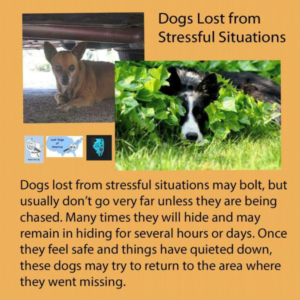 If you lose a beloved pet, Jennifer suggests placing 100+ flyers within a 2-4 mile radius of the missing area as quickly as possible. Flyers should include only the most important and clearest information, especially a line of direct contact (such as a cell phone number). The flyers should lead with “LOST DOG/CAT” in bold and large letters, a recent photo of the pet and employ a simple, uncluttered design. If space allows, add “Do not chase or call out” and “Please report sightings right away”.
 Another tool to use are Community Facebook groups where you can relay information about your lost pet and allow members of the community to share it and directly comment with any useful information. Jennifer also recommends reaching out to local shelters and informing them of the missing animal. You can make a report with the Loudon County Animal Services at 703-777-0406 or reach out to local animal tracking groups such as Dogs Finding Dogs or Full Tilt Tracking once the first steps to relocate the pet are taken.
As you wait for information to come in, create an action plan to implement once your pet is sighted. This plan should include establishing a feeding station and feeding routine to keep the pet in the area spotted so that trapping or catching the animal is possible. Be ready to monitor the feeding station with a surveillance camera like game cameras used by hunters. That way, you will know when and if the pet is still in the area and coming to eat.
Although all of these methods are effective and essential, the absolute best way to find a missing pet is to be ahead of the curve and get it microchipped when you adopt. Microchipping allows your veterinarian’s office to look up your pet’s unique ID number. Jennifer adds that you should also ensure that your personal information in the microchipping database remains up-to-date.
Lastly, if you find a missing pet, please bring it to a vet’s office to see if he/she is microchipped.
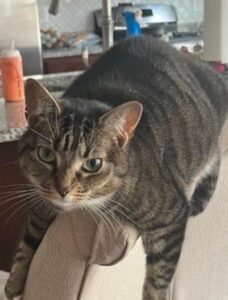
For weeks, Zozo had been a mysterious visitor to one of HSLC’s community cat sites, captivating volunteers with her elusive nature. Over time, concerns grew that Zozo might be pregnant. So, the focus of the Zozo’s care shifted from feeding to trapping and transporting her to a veterinarian.
So, two dedicated volunteers embarked on a mission to capture Zozo so she could be examined. The task was not easy. Zozo evaded capture with the skill of a seasoned escape artist. Yet, the volunteers persisted until, finally, their patience and perseverance paid off.
In a Caring Foster Home
After her vet visit, Zozo was taken under the wing of one of HSLC’s most experienced fosters. It didn’t take long for her to realize that Zozo wasn’t just any stray cat—she was friendly, social, and clearly accustomed to human company. A feeling began to stir among the volunteers that Zozo might already have a family desperately searching for her.
Their suspicions were confirmed when the foster decided to scan Zozo for a microchip—a simple procedure that would potentially reunite her with her rightful owners. And there it was, a tiny chip confirming what they had hoped for: Zozo had a family, and they had been searching for her for eight agonizing months.
The Long-Awaited Reunion
The reunion that followed was nothing short of emotional. The once-worried faces of her family were now filled with smiles, so grateful that their furry friend had found her way back home.
The story of Zozo is a powerful reminder of the importance of microchipping. It was a small but mighty chip that made a world of difference, bridging the gap between lost and found, despair and elation. It is also a reminder of the critical role HSLC’s Community Cat Program plays in reuniting lost pets with their families.
If you would like to make a life-saving difference by becoming a cat trapper or colony caretaker, please complete a volunteer application today!

By Lauren Puckett
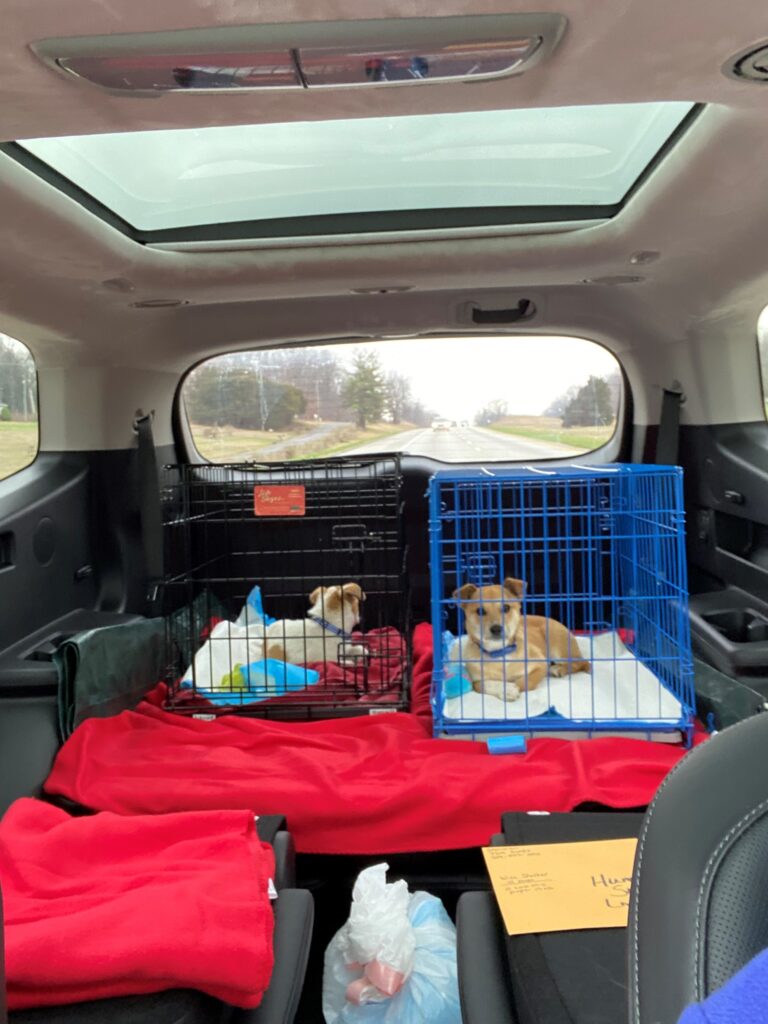
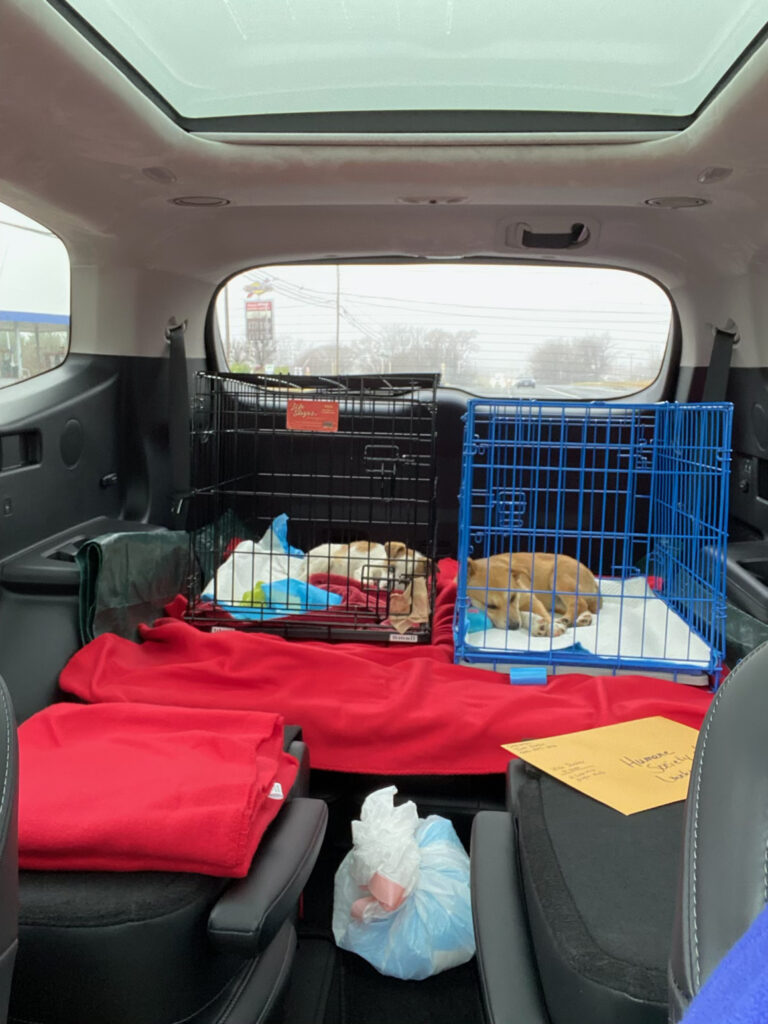
When there are available fosters, The Humane Society of Loudoun County (HSLC) rescues animals from overcrowded shelters in other parts of the state. How do they make their way to HSLC? Through our dedicated transport volunteers, of course! These volunteers pick up cats and dogs at risk of euthanasia and bring them to Loudoun County until they can be adopted.
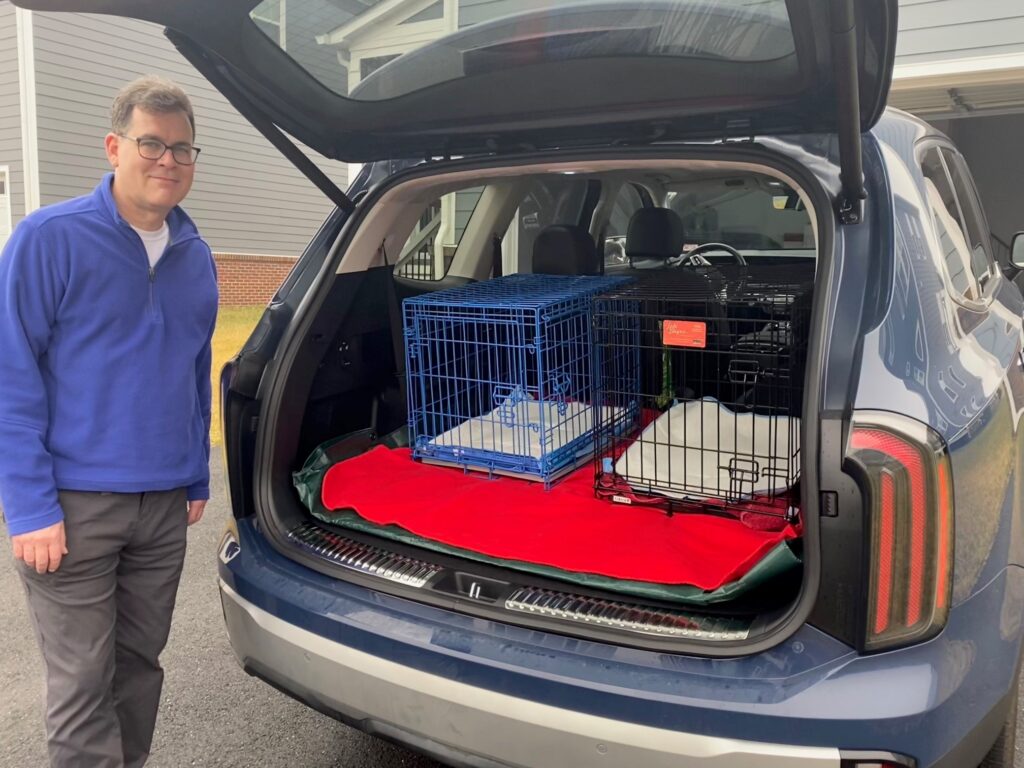
We spoke with first-time animal transporter, Tom Malloy, to get a better understanding of this important role. (Be sure to check out the photos after the interview!)
What does an animal transport volunteer do?
The animal transport volunteer is responsible for providing safe transport for animals between locations. When a transport job arises, HSLC contacts you to see if you are available. If so, you receive instructions as to the pick-up and drop-off points, your points of contact, and any other information relevant to the trip. You will also be provided with the necessary carriers and supplies.
Do you need to have a truck or SUV to transport animals?
No, you don’t need a big vehicle to do the job. Usually you are just transporting one or two dogs or cats, and they will travel in some sort of carrier. There have been times when a volunteer with a smaller car needed to improvise. Recently, a transporter found that the dog he was picking up was in a carrier too large to fit in the passenger compartment. Instead, the dog (secured with a leash) travelled happily while sitting in the front passenger seat.
What type of time commitment does animal transport entail?
Transporting animals long distances is an infrequent need, maybe one or two trips per month. But that is divided between available volunteers. You may only be called upon to do it a few times a year. For my first trip, the pick-up was in Staunton, Virginia. It was a two-hour drive down, two hours back, and then some time in the middle and the end to transfer the animals.
Note: HSLC also needs volunteers for local transport. Apply today!
What types of animals have you transported?
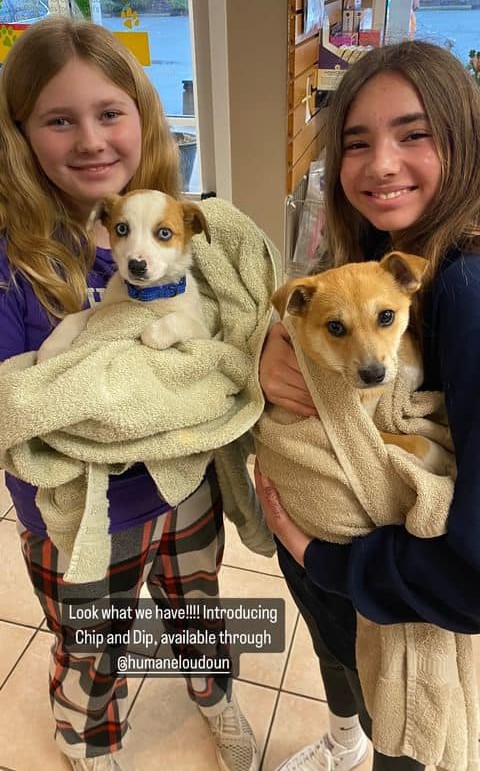
I’ve only transported two dogs, Chip and Dip, brothers who were a few months old.
Were there any problems or incidents?
Not any major problems. Chip and Dip had just completed a two-hour drive to Staunton from southwestern Virginia, so they were pretty subdued. However, just as I was pulling away, Dip took a bathroom break in his carrier cage. Fortunately, I was able to pull into a gas station parking lot and do a quick clean-up with the supplies I had brought for just such an occasion. The rest of the trip was incident free. It was a lesson learned for me as well. We’re a cat household, so I am not as familiar with “dog needs.”
What do you like about transporting animals?
It is rewarding knowing that I had saved two puppies and given them a chance at a wonderful new life.
Do you have any advice for people thinking about volunteering for animal transport?
I think if you are looking for an opportunity to try out volunteering with HSLC, animal transport is a great entry point. It helps if you have a somewhat flexible schedule to accommodate unexpected requests.
Interested in volunteering as an animal transporter? Submit a volunteer application on the HSLC website.

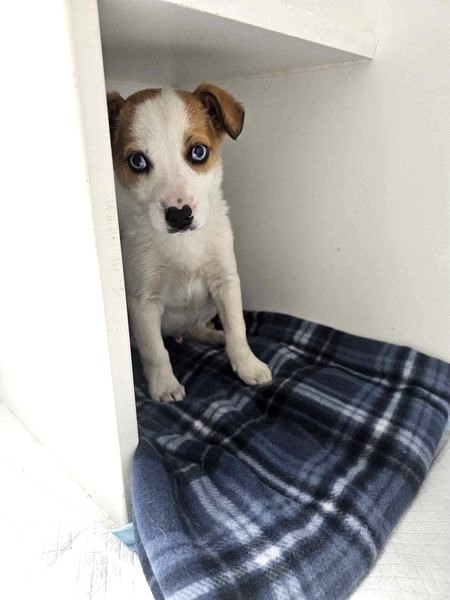
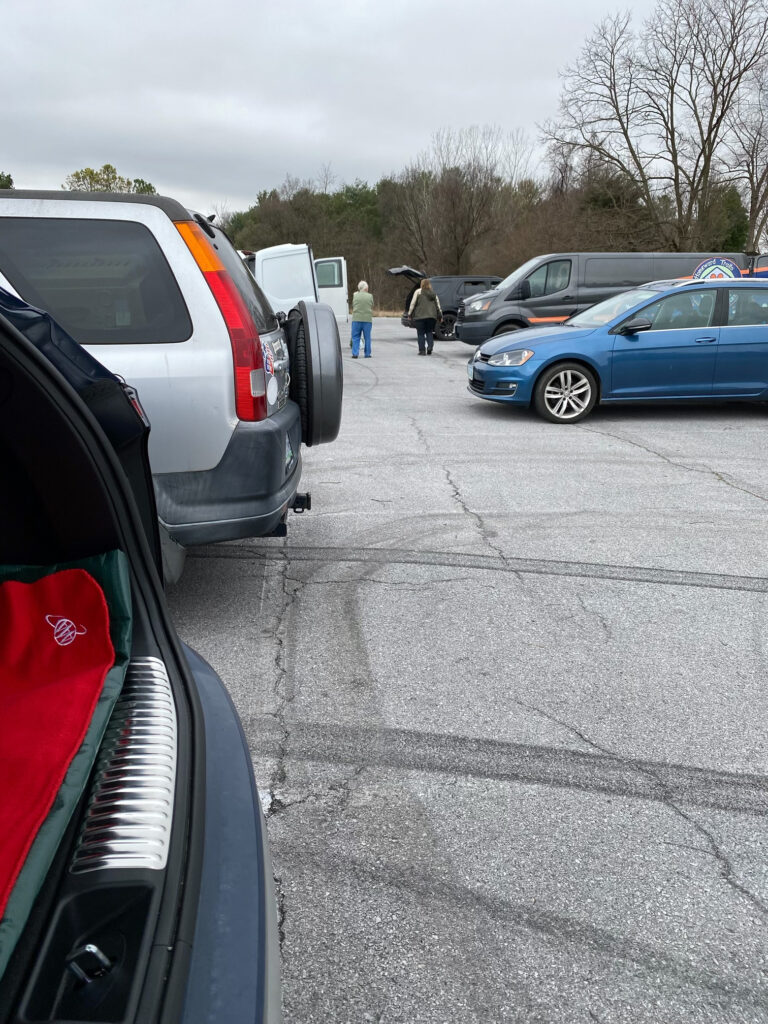
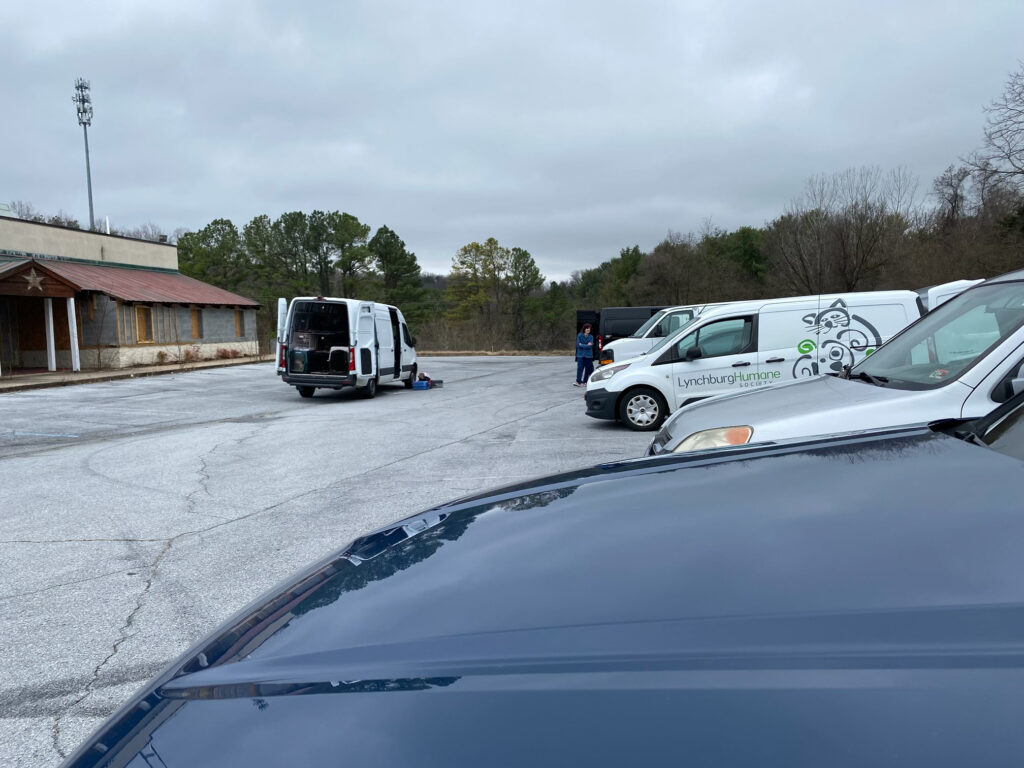
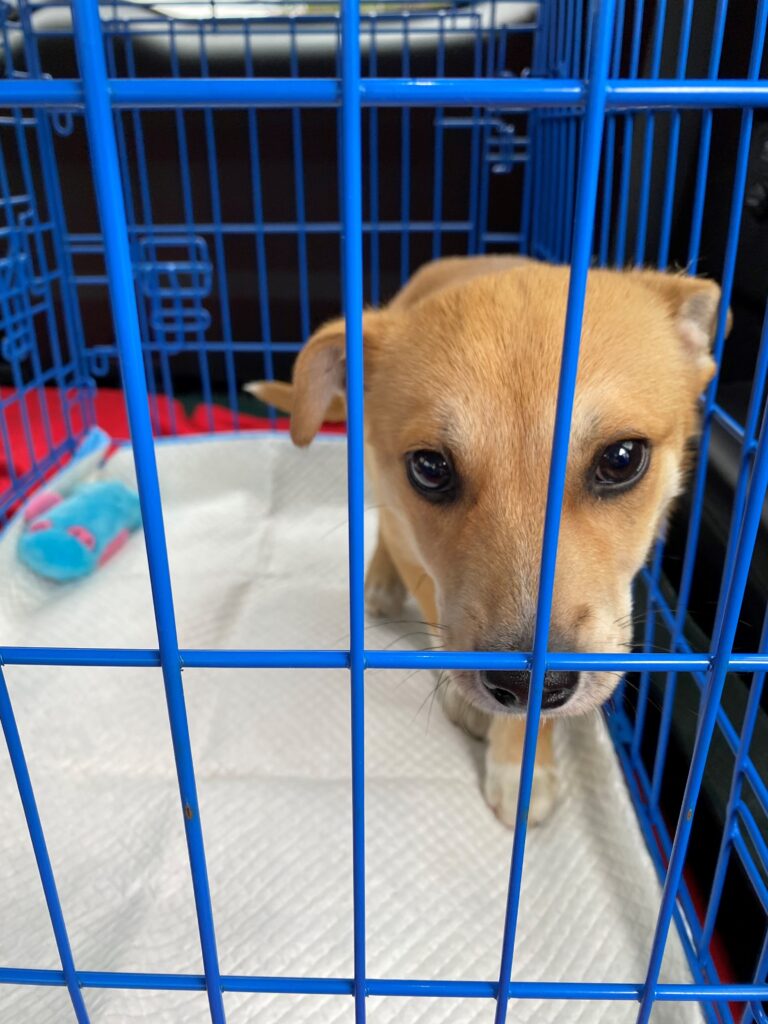
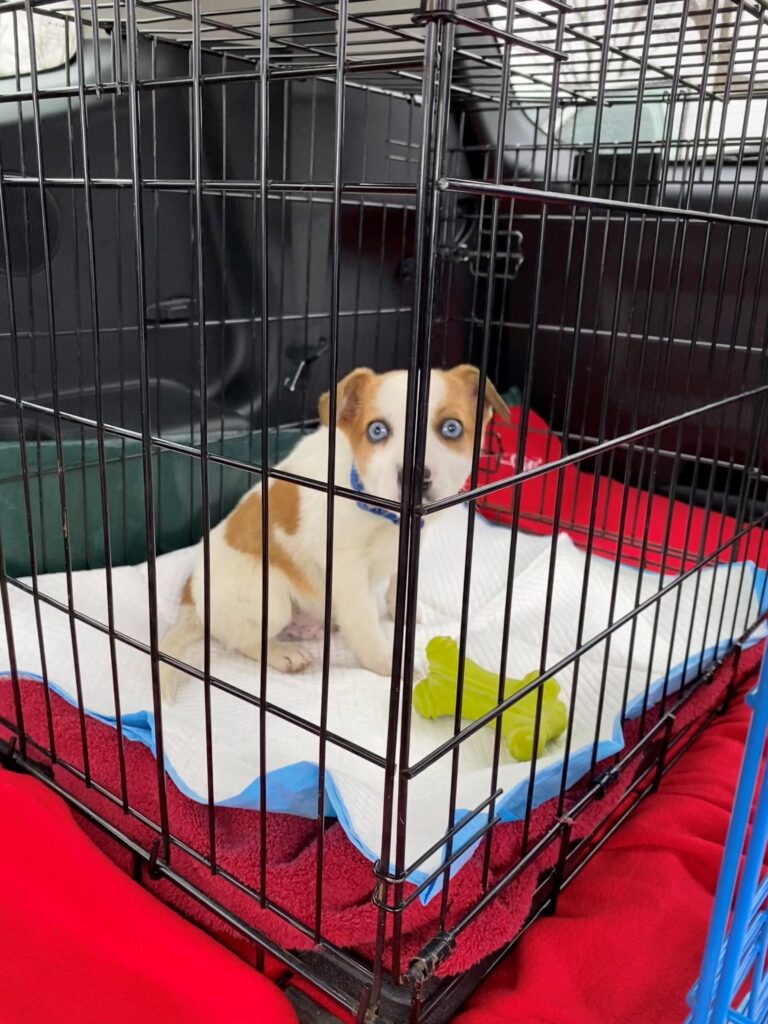
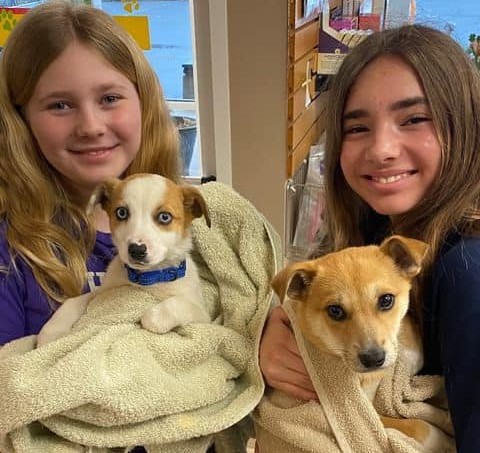
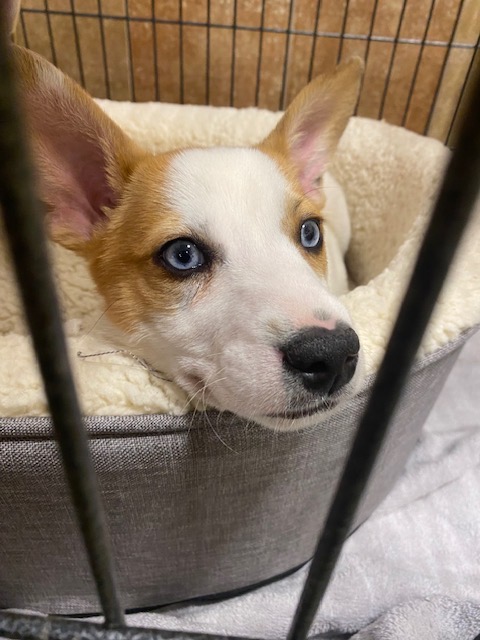
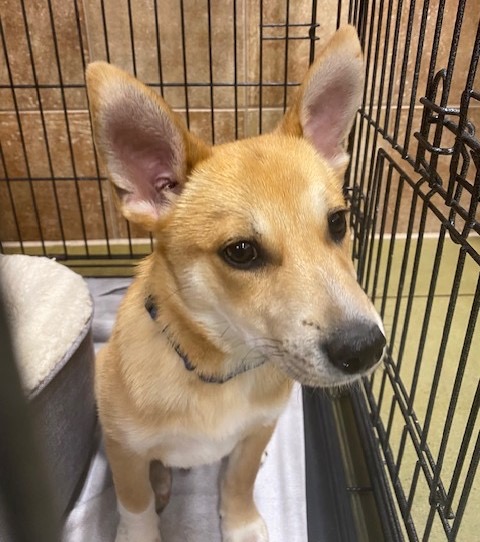
PUPDATE: Both Dip and Chip have been adopted! Special thanks to the volunteers and fosters who made their happily “fur-ever” after possible!

Throughout the month of April, the Humane Society of Loudoun County has been running an awareness campaign called “Who are the Fosters in Your Neighborhood?*” The goal? To shine a well-deserved spotlight on our fabulous fosters and inspire others to join their life-saving ranks. Our fosters come from all walks of life and truly are…the people that you meet each day!
Here are just some of the fosters in your neighborhood…


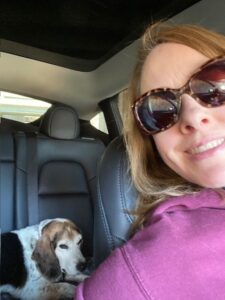
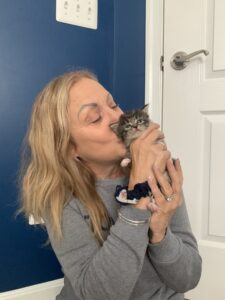

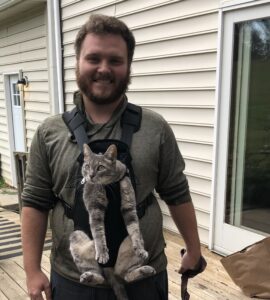
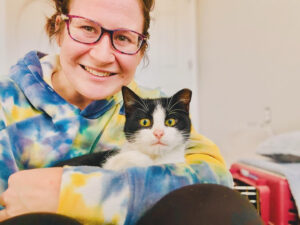

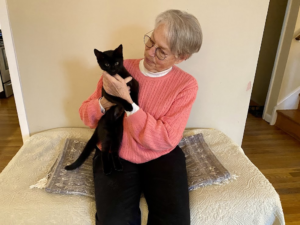
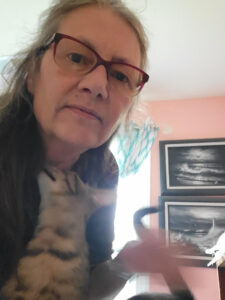
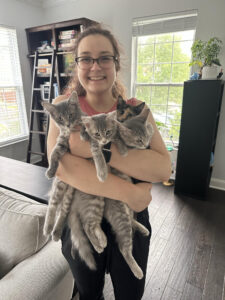

If you are thinking about giving fostering a try, our Animal Care Director and Foster Coordinator, Amy Richards, offers this guidance, “Reach out and ask questions by emailing us at foster@humaneloudoun.org. We are always happy to share experiences and advice. Yes, the goodbyes are difficult. But, go into it knowing that goodbye is the goal. We are the jumping off point into their new life.”
To learn more about fostering, visit our website. And, if you are ready to save a life, complete a no-obligation application online today!
*To catch up on our foster campaign and other updates, be sure to follow us on Facebook and Instagram.
By Lauren Puckett
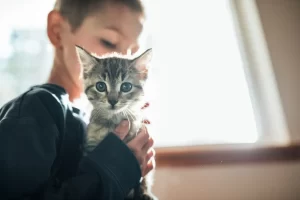
From the boy throwing a stick for his dog, to the girl cuddling up with her cat, there’s simply no bond like that of a child and his or her companion animal. Pets can play many roles in a child’s life, including playmate, cuddling companion, and friend. In honor of National Kids and Pets Day on April 26, let’s explore the many ways fostering or adopting a pet can benefit children.
#1 Pets improve mental health
Pets comfort us. But more than that, studies have shown they can improve our mental health. In fact, a 2015 study demonstrated that having a pet dog in the home was associated with a decreased probability of childhood anxiety.
#2 Pets teach valuable social skills
Pet ownership requires a child to love, care for, and treat an animal with respect. Playing with a cat or dog allows children to learn about reciprocity and “give and take.” Pets also teach boundaries, tolerance, and acceptance. These are all valuable skills that help a child learn how to interact with other living things.
#3 Pets impart a sense of responsibility
Children can learn responsibility by caring for a pet. For instance, they’ll learn to feed their pet, or in the case of a dog, walk it so it can take care of business. Plus, a pet needs training, which offers the opportunity to teach children about positive reinforcement.
– Blaire Elizabeth Ring
#4 Pets encourage physical activity
Dogs require regular walks and outdoor time, encouraging physical activity for children. Even cats may enjoy a spirited romp about the house with their favorite child.
#5 Pets teach us about loss
As difficult as losing a beloved pet may be, this is a valuable teaching opportunity. It may be a child’s first experience with death, and they can learn useful coping skills for the future. Fostering a pet can also provide this lesson in a gentler way, as children say goodbye to a foster pet when it moves on to its forever home.
To introduce a cat or dog into your family, apply to foster or adopt an animal today.
By Lauren Puckett
Volunteers who feed and monitor the well-being of feral cat colonies are called Community Cat Caretakers. One of our caretakers shared this feel-good story about a community cat named Toby.
Double Dipping
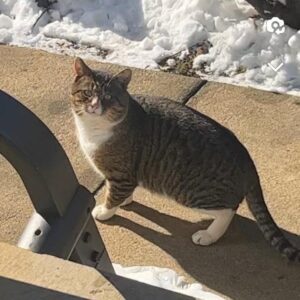
In January 2024, HSLC received two separate requests for Trap-Neuter-Return (TNR) for cats at two different colony sites. The cat at one site was not a regular; they called him “Chunky” due to his portliness. The cat at the other site was named “Toby” and his caretaker, Michael, was slowly making friends with him. Well, it turns out that Chunky and Toby were the same cat! At 14-pounds, this resourceful kitty had been “double-dipping” by feeding at both sites.
Fast forward to February, Toby was neutered, vaccinated, and microchipped through HSLC’s TNR program. When he returned, Michael asked if he could give Toby the opportunity to adjust to life as a house cat. If the indoor life didn’t work out, Toby could go on being loved and cared for in Michael’s backyard.
Adjusting to the Indoor Life
Toby was scared at first given his new surroundings. And, he often wanted to be alone which made socializing the handsome boy a challenge. But, Michael was patient and spent as much time with him as possible even when the cat didn’t reciprocate the attention.
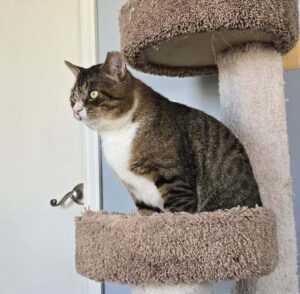
Within a month, Michael’s persistence paid off and Toby was loving his new life as a homebody. He has become very friendly, sweet, and grateful for his happy ending!
While it is true that not all cats belong inside – there are many cats that deserve a chance at the indoor life. Check out the HSLC adoption page to learn about several formerly outdoor cats hoping to follow in Toby’s paw-prints.

Also, if you are interested in becoming a Community Cat Caretaker, get started by completing an application on our website. On-site training is available.

By Lauren Puckett
On April 8, 2024, a total solar eclipse will cross North America, passing over Mexico, the United States, and Canada. As the moon passes between the sun and Earth, it will completely block the face of the sun and the sky will darken as if it were dawn or dusk.
Now, we humans know not to look directly at the sun, especially during a total or partial eclipse (without wearing special protective glasses). But what about our pets? Here’s how to handle your pets during a solar eclipse:
First, stay calm. Our pets play off our own reactions and emotions. Since they take their cues from humans, the best way to keep pets calm during a solar eclipse is to stay calm ourselves. If we’re anxious, our pets may become anxious, too.
Second, keep your pets indoors. You may be tempted to bring your furry friends outside with you for an eclipse viewing party, but the safest place for them to be is at home. Crowds may trigger anxiety in dogs or cats, increasing the likelihood that they’ll try to run away. Additionally, your pet can suffer eye damage by staring directly at the sun (just the same as you can).
With these tips in mind, you can enjoy the solar eclipse knowing that your beloved pets are safe and sound.

By Lauren Puckett
Did you know that the Humane Society of Loudoun County (HSLC) adopted out over 150 cats and dogs in 2023? And, because HSLC is a foster-based organization, we relied on dozens of people — just like you — to provide a safe landing for these animals until they could find their forever homes.
However, some of our foster families need a little help – particularly when they are out of town and unable to take their foster pets with them. That’s where YOU come in! Here are a few reasons you may want to consider becoming a vacation foster for HSLC.
It’s a great way to try out fostering
If you’ve ever thought about becoming a foster but weren’t sure if it’s right for you, vacation fostering is the perfect low-commitment opportunity. It usually lasts for a short time – a weekend to a week – and can help you learn if fostering is a good fit for your household.
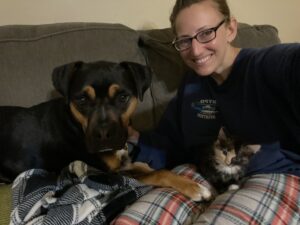
It’s best for the animal
Our preference is to keep animals in a low-stress environment. The alternative is temporary boarding which is expensive and takes funding away from other critical needs. Plus, it may be less enjoyable for our foster pets who are used to the comforts of a home.
It can help us learn about the animal
Vacation fosters provide a unique opportunity to observe an animal’s behavior in a new setting. As a temporary foster parent, you may gather additional information about a foster animal’s likes and dislikes. And, because your household may have a different mix of 2 and 4-legged residents, you’ll be able to observe how the foster animal interacts with them. This knowledge can be very helpful in finding a forever home most suited to the animal.
Ready to try out vacation fostering? Contact our Foster Coordinator at foster@humaneloudoun.org or complete a foster application today!
By Heather Nokes
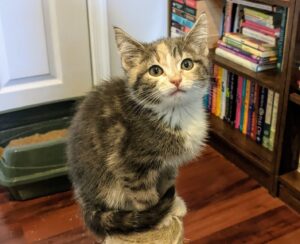
“Kitten season” refers to the period from early spring to late fall when most kittens are born. This phenomenon is mostly due to warmer weather allowing stray or outdoor cats to venture out and begin procreating. Female cats become sexually mature as young as five months of age. In addition, because the gestation period for cats is only about two months long, they can have several litters in one year!
As kitten season ramps up, local shelters and rescues, like the Humane Society of Loudoun County (HSLC), are in dire need of kitten and cat fosters.
Why you should foster
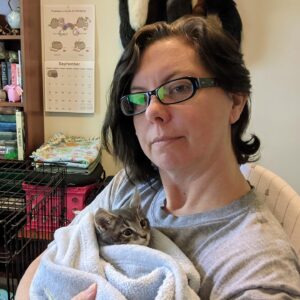
Andi, pictured with little Ramone, has fostered over 130 cats and counting!
Fostering kittens is a rewarding experience. As a foster, you save lives while enjoying all the adorable antics that make kittens irresistible. One of HSLC’s expert kitten fosters, Andi, has been fostering cats and kittens—over 130 in total—with her husband since 2012! She had this to say about her fostering experience:
“The best part [about fostering] is being able to watch them go from sickly to healthy or from angry/scared, hissy-spitties to lap-loving cuddlebugs.”
What to know before fostering
Andi states that while kitten fostering is fun, it can also be a lot of work. You must watch the little souls closely to ensure they stay safe. If something seems odd, do not be afraid to ask questions (HSLC has an awesome foster coordinator who can help!) Be sure to love them unconditionally, and be happy to see them go to great homes.
What you need to foster
Kittens should be isolated from other pets in the home until vetted and given a clean bill of health. This is why setting up a “home base” for them is important. If they are young, a large dog crate will work; if older, an entire room would be a better fit.
Your home base should consist of:
- Clean, fresh bedding that is easy to change and wash.
- Soft surfaces that are not too high up, nothing that a kitten could get stuck in (trash can, boxes).
- A shallow litter box with a small amount of non-clumping litter.
- Shallow water and food dishes that are easy to clean.
- A healthy and safe environment for their foster kittens; any cleaning products should be removed from the kitten foster room.
- Small, soft toys that are not easily ingested or torn apart.
Kitten Veterinary care
The Humane Society of Loudoun County will pay for the veterinary care of its kittens. The first couple of vet visits often include deworming and/or flea treatment. If the kittens are healthy enough, vaccines and FeLV/FIV tests may be conducted. HSLC also spays/neuters around 4 months of age. More complicated reasons for a vet visit include diarrhea, dehydration and upper respiratory infections. For these conditions, medications may be sent home with the foster to give the kitten regularly. A healthy kitten is a happy kitten!
Saying goodbye
Saying goodbye may be the hardest part of fostering. It is important to remember that this is why you fostered, for a happy, healthy kitten to find a forever home!
Interested in giving cat or kitten fostering a try? Complete a no-obligation application today!