

Be their voice. Keep them safe. It’s our responsibility to speak out about the injustices we see for those who cannot speak for themselves.
Report animal abuse to Loudoun County Animal Services: 703-777-0406 (Can be done anonymously)
If it’s an emergency after hours you can call:
Loudoun County Sheriff: 703-777-1021
Leesburg Police: 703-771-4500
It’s important to understand the signs of animal neglect, whether it’s intentional or not, and to report it for the sake of the animal. Here are some key signs of neglect to watch out for:
- Poor Nutrition: Animals may appear underweight, have ribs visible, or show signs of malnutrition.
- Lack of Veterinary Care: Neglected animals often have untreated injuries, infections, or parasites.
- Unsanitary Living Conditions: Animals may be kept in filthy environments, with excessive waste or lack of shelter.
- Behavioral Changes: Signs of fear, aggression, or withdrawal can indicate neglect.
- Inadequate Water Supply: Animals may not have access to clean water, leading to dehydration.
Together, we can work toward a world where animals are treated with the care and compassion they deserve, free from the threat of abuse and neglect.

By Carly Sanders
It’s no secret that animals like food. Some animals really like food, and most dogs and cats fall under that category. When you’ve got a pet that’s quick to scarf down scraps and isn’t too picky about what they’re made of, it’s important to know what is and isn’t safe.
Even pets who aren’t big eaters can still be at risk. Some harmful compounds can enter their bloodstream through contact with their skin, so it’s important to be aware of all products that you bring into your home that your animals may have access to.
Here at the Humane Society of Loudoun County, we want to help owners keep their beloved pets safe, especially during Pet Poison Prevention Month. Knowing about potential dangers around the house is a big part of that. By now, most of us have heard that things like chocolate and grapes are not safe for dogs, and it’s pretty common knowledge amongst cat owners that lilies can be harmful to cats. But did you know about these five lesser-known hazards?
Raw bread dough
There’s nothing like home-baked bread. While most humans prefer it after coming out of the oven, our animals are often less discerning. Make sure to keep that pizza dough far away from your pets, as dough containing yeast can continue to expand in the stomach after swallowing. This can lead to stomach stretching, a condition that can be fatal in severe cases.
Not only that, but as yeast ferments, it produces alcohol which can lead to alcohol poisoning.
Cooked bones
This one may seem surprising, but if you’re going to throw your dog (or cat!) a bone, make sure it’s a raw bone specifically meant for chewing. Cooked bones are more brittle than raw and can splinter more easily when broken by your pet’s teeth. When swallowed, sharp fragments can cause damage to the digestive tract.
If your pet loves the smell of fried chicken as much as my dog does, make sure to pay special attention and don’t leave that bucket unguarded!
Essential oils
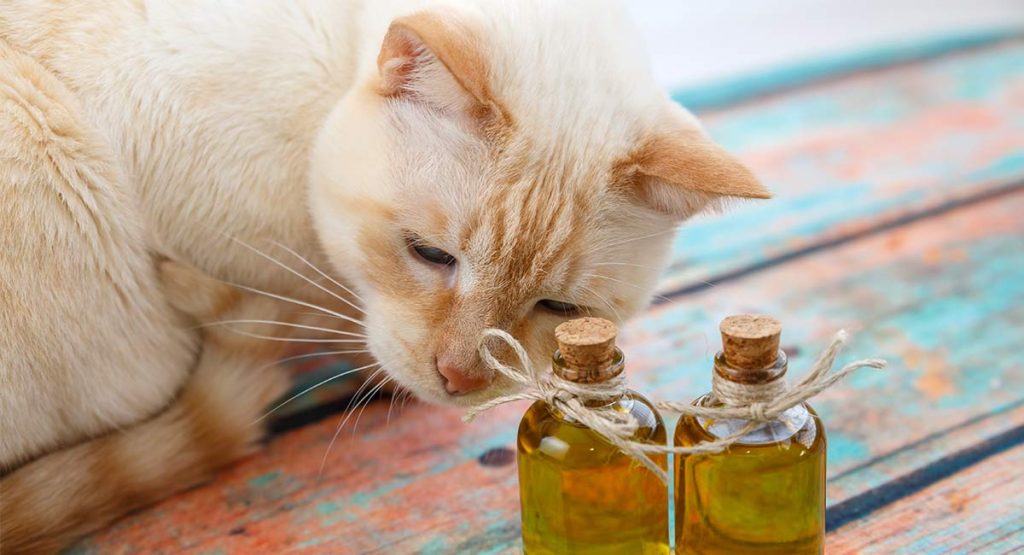
Sniffing that bottle of tea tree oil might improve your headache, but keep it away from your pets, please! Many common plant-based essential oils, including tea tree oil, are toxic to cats and dogs. Other examples include wintergreen oil, eucalyptus oil, pine oil, and pennyroyal oil. These oils are harmful to cats and dogs when eaten and when applied to the skin.
Effects vary depending on the type of oil and the amount ingested. Symptoms range from stomach upset in mild cases to seizures and liver failure in more severe cases.
Rogaine
If you’re treating hair loss with the topical product Rogaine, take care to keep it away from anywhere your pets might like to hang out. Minoxidil, the active ingredient in Rogaine, is highly toxic to cats and dogs. Exposure can cause a dangerous drop in blood pressure for our four-legged friends.
Like with essential oils, Rogaine can affect your pet both through eating and through application to the skin. Many reported cases involve cats licking someone’s hand or head where the product was applied. Even small amounts can be harmful, with many reported cases involving only a few drops or licks worth of the product.
If you’re using any products containing minoxidil, be very careful to keep the product itself far away from your pets and take extra precautions to wash residue from your hands and any surfaces that they might come in contact with.
Xylitol
Xylitol, a common artificial sweetener, is highly toxic to dogs. Xylitol is found in many sugar-free food products and chewing gums, but it can also turn up in household products such as vitamins and toothpaste.
When it comes to cats, research is less plentiful. Serious side effects appear to be less common in felines, but more studies are needed. For now, we recommend playing it safe by keeping the ingredient away from pets of all varieties.
As for dogs, it’s well documented that xylitol causes severe low blood sugar, even in small doses. Higher doses can cause acute liver failure. Make sure to check for the ingredient in any new products you bring into your home, and pay special attention to anything labeled sugar-free or reduced sugar.
If you have reason to believe that your pet has been affected by any of these hazards, contact your emergency vet immediately to seek treatment. Knowing what to look for is the first step in protecting your loved ones, animals included! Make sure to be aware of what you or others are bringing into your home, and take precautions to keep anything potentially harmful far out of your curious companions’ reach.

By Heather Nokes
Did you know that dogs and cats do not sweat like humans? Their main sweat glands are located on their paw pads and are not very effective at cooling them off. With summer now upon us, it is important to understand how hot weather affects our pets and how we can help them stay cool.
First, keep your pets out of the heat. This may be difficult for dogs. Most love the outdoors so much, they may not ask to come inside, even when in distress. If unable to keep them in an air conditioned environment, be sure to provide cool shade or shelter for your pets. Clean, cool water should always be accessible to pets that spend time outdoors during summer months. Note that, effective July 1, 2020, a new Virginia law went into effect preventing tethering outside during extreme weather.
 Take your dog on walks at dusk or dawn, when it is light enough to be seen by others, but still cool enough for a walk. Check the pavement you are walking on with the back of your hand. If your hand burns after a few seconds of contact, so will your dog’s foot. If it is too hot for you, it is much too hot for your pet.
To cool down, dogs will often pant to rid themselves of excess body heat. Panting is normal for most dogs but be aware of the signs of abnormal panting. Cats tolerate hot weather a little better than dogs but can suffer from heat stroke. They often choose lying in cooler areas, drinking cool water, and adjusting their body positions.
If you notice your pet is overheating, gradually reduce their body temperature. Use ice packs, cold towels, or apply cool (not cold) water to the head, neck and chest, let your pet drink small amounts of cool water or lick ice cubes and move the pet into shade or air-conditioning. NEVER try to quickly cool a pet by dunking them in cold water. This can drop their body temperature too quickly and send them into shock.
Contact your vet immediately if your pet shows any of the following signs:
- Heavy panting
- Glazed eyes
- Rapid pulse
- Vomiting
- Fever (the normal range in dogs is 101-102 degrees, cats is 99.5-102.5 degrees)
- Unsteadiness or a staggering gait
- A deep red or purple tongue
Lastly, never leave pets in a parked car. Even on cool days, such as 70 degrees, a car’s internal temperature will jump to 90 degrees in 10 minutes and over 110 degrees within an hour. At 85 degrees, the car will reach 102 degrees in 10 minutes, continuing higher with more time. On 90 degree days, the car will quickly escalate to over 110 degrees. Cracking windows does not prevent a car from getting dangerously hot, even in cool temperatures.
For additional information on keeping your pets safe and comfortable during warm weather, please click on the following link: AMVA Warm weather pet safety
By Heather Nokes
“Kitten season” refers to the period from early spring to late fall when most kittens are born. This phenomenon is mostly due to warmer weather allowing stray or outdoor cats to venture out and begin procreating. Female cats become sexually mature as young as five months of age. In addition, because the gestation period for cats is only about two months long, they can have several litters in one year!
As kitten season ramps up, local shelters and rescues, like the Humane Society of Loudoun County (HSLC), are in dire need of kitten and cat fosters.
Why you should foster
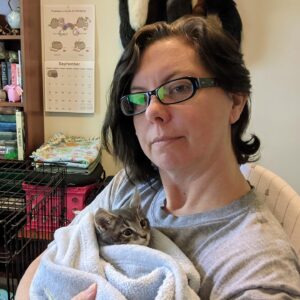
Andi, pictured with little Ramone, has fostered over 130 cats and counting!
Fostering kittens is a rewarding experience. As a foster, you save lives while enjoying all the adorable antics that make kittens irresistible. One of HSLC’s expert kitten fosters, Andi, has been fostering cats and kittens—over 130 in total—with her husband since 2012! She had this to say about her fostering experience:
“The best part [about fostering] is being able to watch them go from sickly to healthy or from angry/scared, hissy-spitties to lap-loving cuddlebugs.”
What to know before fostering
Andi states that while kitten fostering is fun, it can also be a lot of work. You must watch the little souls closely to ensure they stay safe. If something seems odd, do not be afraid to ask questions (HSLC has an awesome foster coordinator who can help!) Be sure to love them unconditionally, and be happy to see them go to great homes.
What you need to foster
Kittens should be isolated from other pets in the home until vetted and given a clean bill of health. This is why setting up a “home base” for them is important. If they are young, a large dog crate will work; if older, an entire room would be a better fit.
Your home base should consist of:
- Clean, fresh bedding that is easy to change and wash.
- Soft surfaces that are not too high up, nothing that a kitten could get stuck in (trash can, boxes).
- A shallow litter box with a small amount of non-clumping litter.
- Shallow water and food dishes that are easy to clean.
- A healthy and safe environment for their foster kittens; any cleaning products should be removed from the kitten foster room.
- Small, soft toys that are not easily ingested or torn apart.
Kitten Veterinary care
The Humane Society of Loudoun County will pay for the veterinary care of its kittens. The first couple of vet visits often include deworming and/or flea treatment. If the kittens are healthy enough, vaccines and FeLV/FIV tests may be conducted. HSLC also spays/neuters around 4 months of age. More complicated reasons for a vet visit include diarrhea, dehydration and upper respiratory infections. For these conditions, medications may be sent home with the foster to give the kitten regularly. A healthy kitten is a happy kitten!
Saying goodbye
Saying goodbye may be the hardest part of fostering. It is important to remember that this is why you fostered, for a happy, healthy kitten to find a forever home!
Interested in giving cat or kitten fostering a try? Complete a no-obligation application today!

By: Heather Nokes
To foster is to save a life. Foster parents are in charge of the day-to-day care of their foster animal. They teach them what it means to be loved and prepare them to be adopted by their forever family.
The Humane Society of Loudoun County took in a dog named, Ulysses, who had been transported from Roanoke, VA. Without the help of HSLC and his foster, Sarah, Ulysses may not have gotten the freedom ide he deserved and a second chance at life. Sarah is a new foster for HSLC and gave us a first-hand account of her journey as Ulysses’ foster mom.
How did you hear about HSLC?
“I heard about HSLC when I was searching for volunteer opportunities. I have been around animals my whole life and wanted to reduce the number of animals being euthanized. Specifically, I was looking for an organization close by that I could be a part of. ”
What made you want to foster?
“I wanted to be an active part of helping at-risk dogs and cats. They often come from a stressful environment and need a quiet place to unwind and learn how to be a [companion animal]. They may have been homeless and shuffled around for a long time, and many of them are scared. By fostering, I am being understanding of the [animal’s] previous situation and helping them trust again so they can be successful in a forever home.”
Was it easy to sign up as a Foster with HSLC?
“It was very easy to sign up. I provided references and they did a simple interview and (virtual) home visit with me. For someone experienced with animals, it’s an easy process. HSLC gives plenty of resources and shares vast knowledge with new fosters to help them be successful.”

Tell us about Ulysses!
“Ulysses is a sweet, happy-go-lucky hound mix who adores everyone he meets. He followed me everywhere around the house and yard, loving every bit of attention. As a young dog, he enjoyed the large yard and regular exercise we were able to provide. He also loves to snuggle at the end of the day in bed. He was perfect for watching movies with!”
What was your favorite part about fostering?
“My favorite part of fostering is definitely the bond we create with the animals. They truly appreciate us giving them good food, water, and a soft place to rest their heads. I also really enjoy training them with lots of good treats. Ulysses especially loved when I’d train him using peanut butter as the reward!”
What was your least favorite part?
“My least favorite part is probably the goodbye. You get attached to foster animals, so it is bittersweet when they go to a good home. But, I would definitely foster again! I plan to, for both cats and dogs.”
Is there anything else you would want potential fosters to know?
“One thing I’d want fosters to know is that it takes time for [an animal] to become acclimated in their home. They may cry at night or be shy for the first few days or even weeks. It takes patience to help them adjust to a new lifestyle, but it is so rewarding.”
It is because of Sarah that Ulysses got a happy ending and was adopted! The Humane Society of Loudoun County does not have a facility to house animals and solely relies on its network of caring fosters. If you are thinking of becoming a foster with HSLC or have questions about fostering, you can use this link: https://humaneloudoun.org/programs/foster/ or email foster@humaneloudoun.org.

By Hannah Feeley
I recently had the pleasure of speaking with three fosters for the Humane Society of Loudoun County (HSLC). They each shared their stories and advice for new foster parents.
Meet Tyler
Tyler and his roommate, Katie, started fostering during the pandemic and have fostered 14 cats thus far with HSLC. They initially started fostering to cope with COVID-19 pandemic isolation and the emotional toll but continue to foster because it’s meaningful and fun.
Tyler mentioned the potential financial toll of fostering. Although HSLC covers all vet care expenses, it relies on the community to donate food and supplies. Otherwise, the fosters cover these costs which can add up. But Tyler and Katie have felt that the costs are worth it.
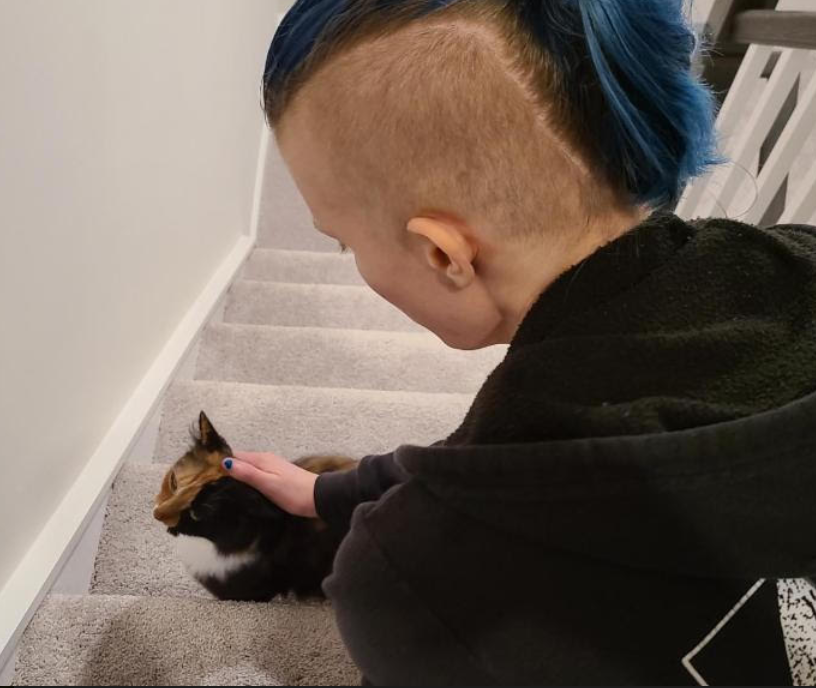
Despite both working full-time, Tyler and Katie still find time to play with and socialize the cats to get them ready for their forever homes. Katie, for instance, sets aside arts and crafts time with the cats.
Tyler recommends that new foster parents reach out to their animal rescue for advice. He highlighted that our HSLC family has given him great guidance with each animal.
Meet Jamie
Jamie and her two daughters recently became short-term fosters for HSLC. She is a homeschool parent, with two senior dogs.
Jamie was volunteering for HSLC as a cat condo caretaker at a local pet store. When the cats in the condos needed a break, her kids encouraged her to take the cats home. Both Jamie and her kids noted the incredible feeling of letting the cats decompress for a few days. Plus, they found the experience to be really fun.
Jamie emphasized that cats do not need a lot of space; whatever room you can provide may actually be more than they’re used to. She appreciates the flexibility of short-term fostering as it allows her to help the animals without making a lengthier commitment.
With the holiday season upon us, HSLC is currently in need of short-term and vacation fosters. So, if you’re considering fostering, this would be the perfect time to give it a try.
Meet Carol
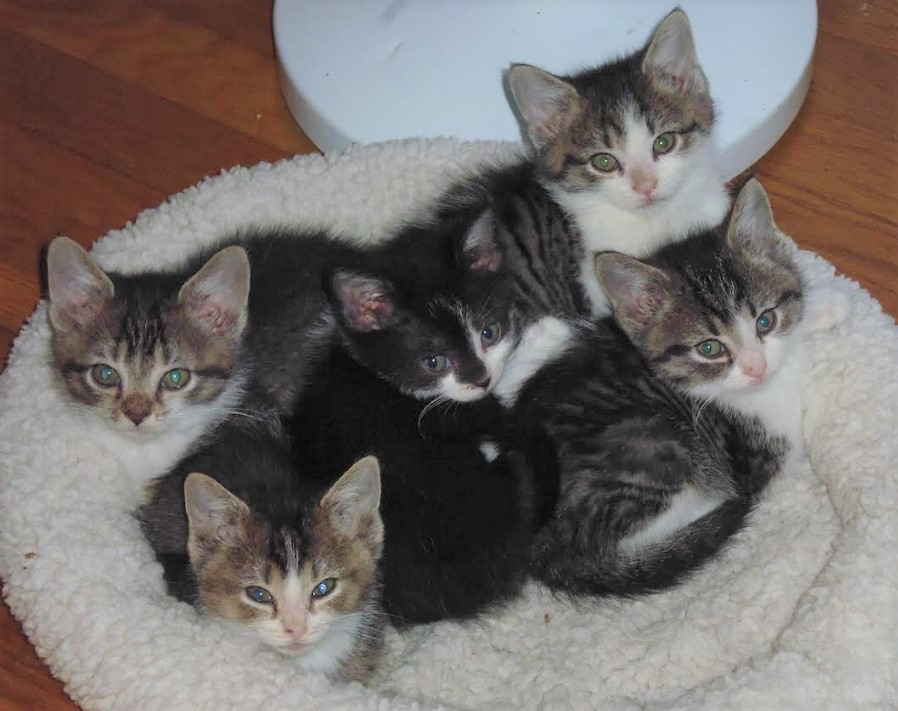
Carol is retired and has fostered cats with HSLC since 2018. Carol was initially introduced to fostering by a friend and hasn’t looked back since.
In explaining to me why she fosters, the joy in Carol’s voice was evident. – she does it because it’s enjoyable. Carol has also made (human) friends by fostering. Each time a foster cat is adopted, she makes a new friend with the adopter who sends updates about the cat’s wellbeing.
As a long-term foster parent who often takes in mistreated animals, Carol’s advice for new fosters is short and sweet: be patient. Spend time with the animals but have the patience to allow them to come out of their shells on their own.
Some people fear they won’t be able to give up the foster animals when the time comes. But Carol’s mindset is different: the more animals she can foster, the more animals she can help find homes. It’s a beautiful process and Carol is enthusiastic about her next foster.
If you’re interested in becoming a short or longer term foster, please contact us at foster@humaneloudoun.org or complete a no-obligation online application.
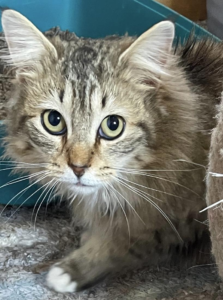
Fostering Myths – PART 3
By Uchenna C. Okeke
The idea of being solely responsible for a pet’s wellbeing can feel overwhelming. It can create the impression that fostering is something you have to do entirely on your own. In reality, fostering comes with far more support, structure, and shared responsibility than most people expect.
Myth 3: I Need Lots of Experience
Fear of inexperience can hold people back from fostering, causing them to miss out on the emotional reward and personal growth that comes with caring for a pet. But a lack of experience isn’t a barrier.
Fact: Fostering Is a Supported Journey, Not a Solo Responsibility
Behind every foster parent is a network of support, guidance, and shared responsibility. No one is expected to figure it out alone. HSLC equips foster parents with the tools and resources they need to succeed, making fostering accessible—even for first-timers.
How HSLC Supports You
Digital Support: HSLC’s Animal Care Team uses ShelterLuv to keep all key information—medical records, vaccinations, and care updates—in one place, and sends reminders for vet visits and treatments so fosters can stay organized and focused on care.
Training and Guidance: New fosters receive orientation covering the essentials—feeding, recognizing basic health concerns, understanding behavior, and creating a safe home environment.

Ongoing Support: Foster parents have access to experienced fosters for questions about health, behavior, or adjustment. You’re supported every step of the way.
Veterinary Care: HSLC coordinates and covers essential veterinary care, including vaccinations, spay/neuter procedures, and treatment for illness or injury.
Supply Support: Donated items like food, bedding, and toys are sometimes available to foster families, helping ease costs and ensure pets have what they need.
Emotional Support: Fostering can come with moments of doubt, attachment, and even grief. Through connections with other fosters and volunteers, you’ll find encouragement, reassurance, and shared understanding.
What You Need Is Willingness, Not Experience
You don’t need prior experience to foster—just the right mindset. Experience comes with time. What matters most is:
- Compassion: Providing consistent care, comfort, and reassurance
- Willingness to Learn: Adapting as you gain knowledge about pet care and behavior
- Patience: Giving each pet the time they need to adjust, trust, and heal
HSLC provides the guidance—you bring the compassion. With the right support, inexperience quickly becomes part of the journey of making a difference. To learn more about fostering, please visit our website and complete a no-obligation application today.
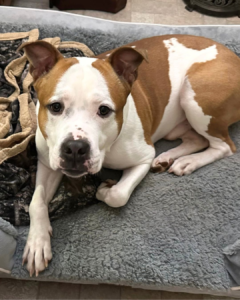
For many animal lovers, the question isn’t if they want to help—it’s how. For Laurie Lewis, a new Humane Society of Loudoun County (HSLC) foster, the answer was clear: fostering offered a way to help not just one dog, but many.
Having fostered—and adopted—dogs in the past, Laurie knew firsthand the joy of opening her home. This time, she made a thoughtful decision. Instead of adopting again right away, she chose fostering so she could continue making a difference for multiple dogs over time. “Fostering was something I wanted to get into again and hopefully help more than one dog,” she shared.
Her journey back to fostering came after the loss of her own dog—a difficult goodbye, made even more complex by the fact that he didn’t get along with other dogs. When the time felt right, fostering became a meaningful next step. “After I lost him a year ago, it seemed like a good time to start fostering.”
For those who feel a pull toward fostering but hesitate, her advice is refreshingly honest: yes, it can be an adjustment—but it’s worth it. “It’s always a challenge to bring a new pet into your household. You just have to have patience. Animals just want love.”
And then there’s Goose
Goose isn’t just any foster dog—“He’s the friendliest dog I’ve ever met. Everyone is a friend,” she says. Goose is a cuddle enthusiast, a kiss-giver, and a self-proclaimed lapdog despite his strength—especially when it comes to his favorite game of tug-of-war. He loves chasing balls (though returning them is still a work in progress), enjoys leisurely sniff-filled walks, and bursts into joyful zoomies across the yard.
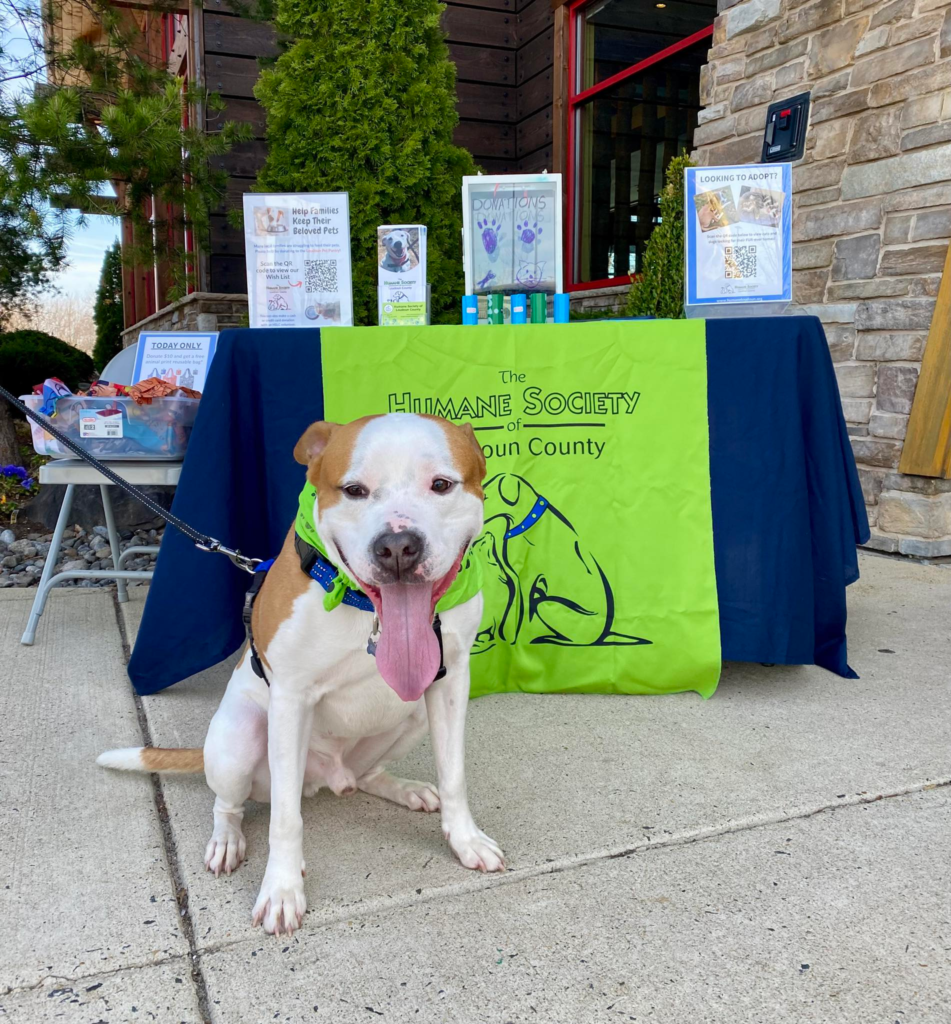
More than anything, Goose wants to be near his people. A home full of love and companionship would be perfect for this affectionate, social pup.
In return, Goose has given just as much as he’s received. “He’s my shadow and a great companion,” she shares. “I know more people in my neighborhood now because he always wants to say hello.” Thanks to Goose’s outgoing personality, daily walks have turned into moments of connection—with neighbors, new friends, and plenty of admirers who can’t help but comment on how handsome he is.
Behind the scenes, fostering isn’t something you do alone—and that’s where HSLC steps in. From providing medications like monthly flea and tick prevention to offering vacation fosters, help is always just a call or email away. “HSLC has been very supportive and responsive,” she says. “It makes the whole experience easier.”
And while fostering usually means saying goodbye, it’s also about something bigger: giving a dog a second chance at life.
“I’m so glad he’s not in a shelter anymore and I love having him,” she says. “Goose is a very special dog. He’ll be a great companion for someone. He has so much love to give. I’m glad to be able to care for him until he finds his forever home.”
Could you be that bridge for a dog like Goose?
Fostering doesn’t require perfection—just patience, compassion, and a willingness to open your heart home, even temporarily. And in return, you’ll gain something truly special: the chance to change a life… and maybe your own, too. Learn more and apply today!
Fostering Myths – PART 2
By Uchenna C. Okeke
When it comes to making a difference, we often think big. But sometimes, it is the smallest acts of kindness that leave the greatest impression. Like opening your home to a pet in need, even if that home is a cozy apartment or a compact space.
Myth 2: You Need a Big House to Foster Pets
Many people imagine that fostering requires a big house with multiple rooms or a large outdoor area where pets can run freely. This worry may discourage some from volunteering, thinking their apartment simply isn’t big enough. But this is a myth.
Fact: Small Spaces Can Save Big Lives
Most foster pets simply need safety, stability, and temporary care while they wait for a permanent home. For many pets, a quiet and controlled environment is actually far more important than having a lot of space.
Why Small Spaces Work
While extra space can be helpful in some situations, the truth is that small spaces can work extremely well for pets in foster care. Here’s why:
Small Spaces Help Pets Feel Safe: New environments can make foster pets anxious. At first, they may be frightened or confused and a large, unfamiliar space can be overwhelming. A smaller, quiet space allows them to settle gradually.
Small Spaces Work Very Well for Cats: Naturally cats prefer small, secure areas where they can observe their surroundings while feeling protected. They often choose small spots like boxes, shelves, or enclosed corners. For foster cats or kittens, a small room such as a bathroom, bedroom, or enclosed corner can help them:
- Adjust slowly to new people and smells
- Locate their litter box easily
- Establish a feeding routine
- Feel less overwhelmed in a new environment
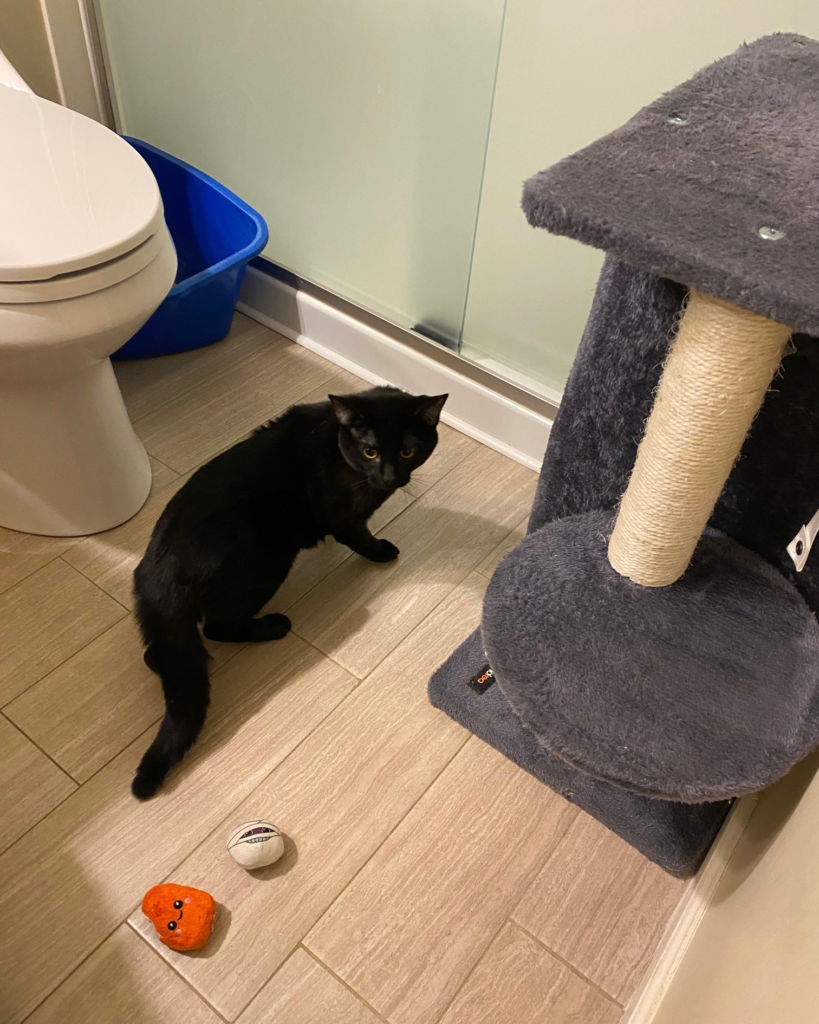
Small Spaces Benefit Dogs: Dogs need regular walks, playtime, and human interaction and not necessarily large living spaces. They can live happily in apartments or smaller homes as long as they receive regular exercise. Small spaces can be helpful to foster dogs because they:
- Encourage calm behaviour
- Help with crate training and house training
- Prevent overstimulation in a new environment
- Make it easier to monitor eating, sleeping, and bathroom routines
Easier Monitoring and Care: Small spaces make it easier for caregivers to observe pets closely. It helps them quickly notice changes in appetite, behavior, or health, allowing them to respond faster if something is wrong.
Better for Training and Routine: Pets learn routines faster in smaller environments. Feeding, sleeping, litter training, and house training are often easier when animals have clear, limited areas where these activities happen.

Tips for Fostering in Small Spaces
- Use Vertical Space: Vertical spaces allow pets to stay active and stimulated without needing a large room. Cat trees, climbing shelves, or window perches give cats places to climb, rest, and observe their surroundings.
- Create Cozy Zones: Designate quiet corners for your foster pet to rest. A comfortable bed, soft blanket, or small crate in a calm area can help pets feel secure and relaxed. Consistency is the key.
- Rotate Toys: Rotating toys every few days keeps them interesting and helps prevent boredom.
- Take Outdoor Breaks: Nearby parks, quiet streets, or open spaces can provide exercise and mental stimulation. These outings help balance indoor living and give dogs the activity they need while living in a smaller home.
Remember that the biggest needs of foster pets are basic care (food, water, and shelter), love and interaction, safety and comfort. Space is way down the list.
To learn more about fostering, please visit our website and complete a no-obligation application today.

FOSTERING MYTHS – PART 1
By Uchenna C. Okeke
A photo, a post, or a sweet fur-baby’s eyes may have sparked the thought of fostering. But that feeling might be followed by hesitation fueled by misconceptions about fostering. Those misconceptions are common, and they often stop good people from taking a step that could change a life. The truth is, many of the fears around fostering are built on myths and once those myths are cleared away, fostering becomes not only possible, but incredibly rewarding.
Myth: Fostering is a Lifetime Commitment
Many people worry about not knowing how long a cat or dog will stay with them. The beauty of fostering is that it is a commitment with an expiration date. Unlike adoption, fostering isn’t about forever; it’s about for now. You give love, care, and time, and when the pet finds their forever home, you get to open your heart to another if you so choose. No long-term strings attached, just the joy of making a difference, one paw at a time.
Fact: Fostering is Temporary
Fostering is not adoption. It is a temporary arrangement where you provide a loving home and care for a pet until they find their forever family. The length of stay varies, it could be a few weeks, a few months, or sometimes a bit longer. You are not locked in. HSLC works with you to determine what you can realistically offer, and support is available every step of the way.
Fostering Options That Fit Your Life
Whether you are a busy professional, a family with a bustling household, or simply someone with a big heart, there is a fostering opportunity tailored to your lifestyle and preferences:
Regular Fostering
Foster an animal until he/she is adopted. This could mean anywhere from a few days to a few months in some cases.
Vacation Fostering
Foster an animal while the regular foster is out of town. This is usually a short term foster situation.
Emergency Fostering
Foster an animal temporarily because of an emergency situation, providing temporary shelter until a regular foster is found. These are occasions when an animal needs to be moved out of a dangerous situation immediately.
Short-Term Fostering
Foster an animal for one to two weeks. Generally this type of foster is needed until a regular foster is found.
Special Needs Fostering
Foster an animal with a special need. This could include: an illness, behavioral issues, FIV+ or Felv+ cats or kittens, and end of life (“Fospice”).
Change a Life
Ready to give fostering a try? Our greatest need right now is for dog fosters but we need foster caregivers of all types. Visit our foster pages to learn more and complete a no-obligation application today!

By Kathleen Silver
Giving your pet dental treats is a great way to remove some gunk from their teeth. But it’s not as effective as creating a home brushing routine AND scheduling regular professional dental cleanings. Even with dental treats, bacteria attach to our pet’s teeth over time. In fact, most pets by the age of 2 years have some periodontal disease, which affects the gums and roots of the pet’s teeth.
The hard truth is that dental disease causes significant problems in pets. When even a few years of tartar, plaque, and bacteria have built up and caused inflammation and diseased roots and gums, your pet may already be experiencing chronic life-changing pain. And no responsible pet owner should wait until they see that their pet is in obvious distress or showing drastic behavioral changes before scheduling a dental cleaning.
Don’t Replace a Dental Cleaning with Products
Do you think you can avoid dental cleanings by using products that claim to clean a pet’s teeth? There are great products on the market that improve the smell of breath and help prevent plaque and tartar build-up. But these products do not claim to be a substitute for annual professional cleanings.
Professional dental cleanings range from $300 – $1000 per animal when performed by a general vet practitioner; higher with a board-certified veterinary dentist. Unfortunately, most pet insurance policies do not cover the cost of cleanings. And, they will not cover the cost of dental disease if a pet has not had regular cleanings, as this would be considered a pre-existing condition. So, as pet owners, we must consider dental care a personal routine and a cost associated with pet ownership.
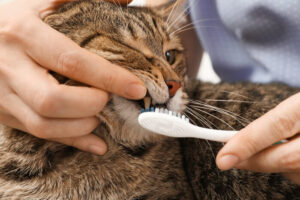
Make Brushing a Routine
Make brushing your pet’s teeth an experience where you bond with your animal. For example, brushing routines work great after a walk or nap when your pet is most relaxed. And being patient is essential when teaching your pet new behavior patterns. It might not work on the first, second, or third try, but it’s necessary to keep at it and make it as enjoyable as possible for your pet. It could be a few weeks until your pet settles into the routine ultimately, so keep at it!
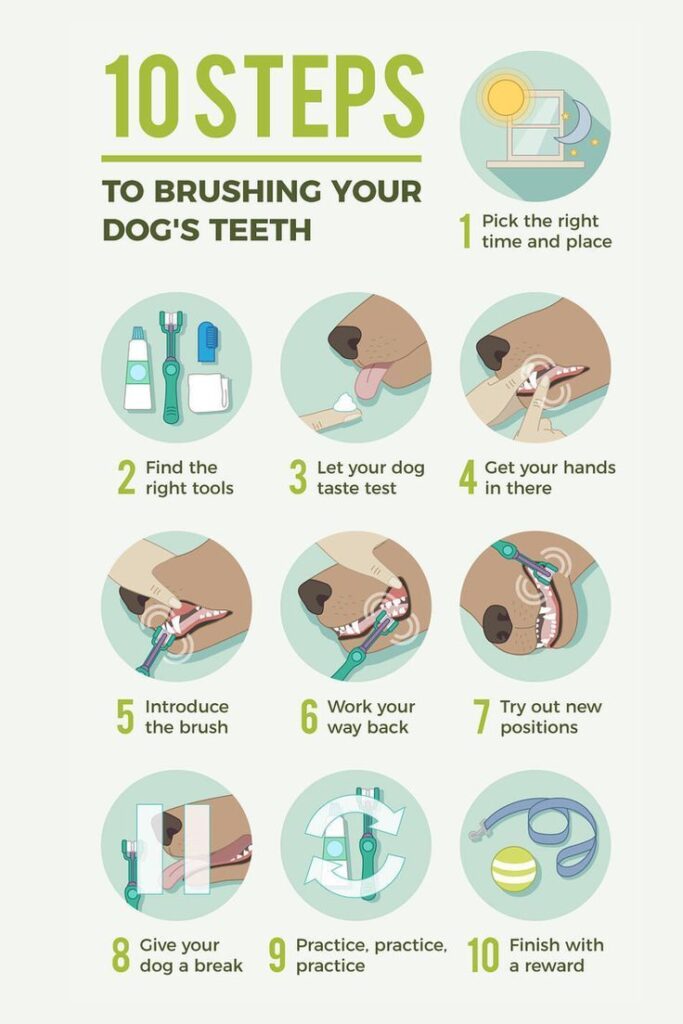
Have you heard the term “baby steps” regarding training a pet? It’s no different for home dental cleaning. First, start teaching your pet by setting out the toothbrush and letting your pet taste toothpaste. Doing this lets your pet become familiar with the implements and not fear foreign objects. Then, start teaching your pet to be used to you touching their mouth. Do this when the pet is relaxed. Next, rub your pet’s teeth with your finger. Gradually, switch to putting toothpaste on your finger and then to putting the toothpaste on the toothbrush.
The outside of your pet’s teeth (the side facing the cheek) is the only area to be concerned with brushing. You may not be able to do the whole mouth each time, but each brush stroke is a victory. And, use toothpaste for pets, not human toothpaste, as it has ingredients like detergents and fluoride that are not good for your pet’s overall well-being.
Save for Your Pet’s Future
It is not cheap to have a pet’s teeth cleaned. But it is necessary to be the best pet owner. Think of the cost now as an investment in the future to avoid higher veterinary costs later on. In addition, cleanings can identify other issues, such as broken teeth, misalignment of teeth, tumors or cysts, and abscesses.
Do you have a rainy day, college fund, or vacation account? Consider keeping a separate (never touch) “Furever Friend” savings account. These days, some local credit unions and banks offer higher-interest savings accounts (with some restrictions and fees, so read the fine print) just for pet savings. Setting aside funds for your pet will help ensure they get the care they need to live a long healthy life.

The federal tax law changes that took effect in 2026 have changed how charitable giving affects your taxes — and for many donors, they’ve created new opportunities to give in ways that are both meaningful and financially smart. If you support local organizations like the Humane Society of Loudoun County, here’s what you should know.
You May Benefit from the 2026 Changes
You may now receive a tax benefit even if you don’t itemize: If you take the standard deduction, you can deduct up to $1,000 in qualifying charitable donations (or $2,000 if you’re married and file jointly). That means your generosity to local rescues like HSLC can now come with a tax benefit — even if you’ve never itemized before.
If you itemize, planning matters more than ever: Charitable gifts are still deductible but only amounts that exceed 0.5% of your Adjusted Gross Income count. Thoughtful timing and tracking of your gifts can help you maximize the benefit.
Some tax-efficient giving options are unchanged: If you’re age 70½ or older, Qualified Charitable Distributions (QCDs) from an IRA remain a powerful way to give — allowing you to support a nonprofit directly while reducing taxable income. Other long-standing giving strategies may also still apply, depending on your situation.

Giving in a Way That Works for You
With these changes, many donors find it helpful to think about their giving over the course of the year rather than only at year-end. Whether you prefer making one or two larger gifts or spreading your support across the year, having a plan can help you stay organized and make the most of available tax benefits.
Some supporters choose monthly giving as a simple way to manage their annual contributions, while providing steady support for the animals who rely on care every day. Even small, consistent gifts can add up over time. HSLC’s donation form provides a drop-down menu for you to select your preferred donation frequency (one-time, monthly, quarterly and annually).
Your Support Still Makes a Real Difference
No matter how you choose to give, your support helps the Humane Society of Loudoun County provide a safe landing and second chances for animals in our community. The 2026 tax changes may offer new financial incentives — but the impact of your generosity has always been priceless.
As always, consider speaking with a tax or financial advisor about what approach makes the most sense for you.

When the weather outside is frightful, these winter pet tips can keep your precious pets snug, safe, and warm.
1. Winter wellness: Has your pet had his/her preventive care exam (wellness exam) yet? Cold weather may worsen some medical conditions such as arthritis.
2. Know the limits: Just like people, pets’ cold tolerance can vary from pet to pet based on their coat, body fat stores, activity level, and health. Be aware of your pet’s tolerance for cold weather, and adjust accordingly.
3. Provide choices: Just like you, pets prefer comfortable sleeping places and may change their location based on their need for more or less warmth. Give them some safe options to allow them to vary their sleeping place to adjust to their needs.
4. Stay inside. Cats and dogs should be kept inside during cold weather. It’s a common belief that dogs and cats are more resistant than people to cold weather because of their fur, but it’s untrue. Some may be more tolerant but no pet should be left outside for long periods in below-freezing weather.
5. Feed a little more. Pets burn extra energy by trying to stay warm in wintertime. Feeding your pet a little bit more during the cold weather months can provide much-needed calories. Also, make sure she has plenty of water to drink will help keep her well-hydrated and her skin less dry.
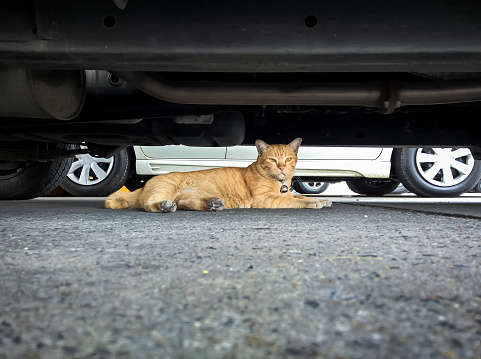
Outdoor cats may seek shelter in or around your car. Make it a habit to check for feline hitchhikers.
6. Make some noise: A warm vehicle engine can be an appealing heat source for outdoor and feral cats, but it’s deadly. Check underneath your car, bang on the hood, and honk the horn before starting the engine to encourage feline hitchhikers to abandon their roost under the hood.
7. Check the paws: Check your dog’s paws frequently for signs of cold-weather injury or damage, such as cracked paw pads or bleeding. You may be able to reduce the chance of iceball accumulation by clipping the hair between your dog’s toes.
8. Play dress-up: If your dog has a short coat or seems bothered by the cold weather, consider a sweater or dog coat.
9. Fur is warmth. Never shave your dog down to the skin in winter, as a longer coat will provide more warmth. If your dog is long-haired, simply trim him to minimize the clinging ice balls, salt crystals and de-icing chemicals that can dry his skin, and don’t neglect the hair between his toes
10. Wipe down: During walks, your dog’s feet, legs and belly may pick up deicers, antifreeze, or other chemicals that could be toxic. When you get back inside, wipe down (or wash) your pet’s feet, legs and belly to remove these chemicals and reduce the risk that your dog will be poisoned after (s)he licks them off of his/her feet or fur.
11. Icy Dangers: Antifreeze is poisonous to pets. Pour cat litter over any spills to soak up the liquid, then sweep up and dispose of it. Ice-melting products can also irritate animals’ skin, or upset their stomach if ingested. Choose a pet-safe variety for outdoor walkways, and always wipe down your pet’s paws and belly after walks to remove any chemicals or ice on his fur.
12. Be prepared: Cold weather also brings the risks of severe winter weather, blizzards and power outages. Prepare a disaster/emergency kit, and include your pet in your plans. Have enough food, water and medicine (including any prescription medications as well as heartworm and flea/tick preventives) on hand to get through at least 5 days.

1. You’ll receive all the information and guidance you need.
When you decide to adopt a pet, you’re welcoming a new member into your family. That’s a big deal, and we will help you with every step along the way. Legitimate animal rescue organizations like HSLC require meet and greets to ensure compatibility between you and your new pet. When you adopt from us, you’ll also receive medical records and any available background information. Pets are guaranteed to be spayed/neutered when of the proper age, microchipped, and up-to-date on vaccinations. But that’s not all–HSLC takes great care to ensure that your new pet is a perfect match for your home and lifestyle. Already have a canine companion, but thinking about adding a feline friend into the mix? We’ll help you to find a cat that loves dogs as much as you do. And of course, if your household includes young children, we’ll pair you with an animal that thrives around your little ones. Our top priority is creating a match that will last a lifetime, so let us help you find your ideal companion. Read up on how you can meet your future furry family member here.2. You’re helping save a life, which in turn saves even more lives.
HSLC saves many animals from unnecessary euthanasia by intaking them from overcrowded shelters. When you adopt your new companion, you’ll open up space for a new animal in a dire situation to receive the second chance they deserve. HSLC believes in giving every animal the opportunity to live and thrive.