
SMALL SPACES CAN SAVE BIG LIVES
Fostering Myths – PART 2
By Uchenna C. Okeke
When it comes to making a difference, we often think big. But sometimes, it is the smallest acts of kindness that leave the greatest impression. Like opening your home to a pet in need, even if that home is a cozy apartment or a compact space.
Myth 2: You Need a Big House to Foster Pets
Many people imagine that fostering requires a big house with multiple rooms or a large outdoor area where pets can run freely. This worry may discourage some from volunteering, thinking their apartment simply isn’t big enough. But this is a myth.
Fact: Small Spaces Can Save Big Lives
Most foster pets simply need safety, stability, and temporary care while they wait for a permanent home. For many pets, a quiet and controlled environment is actually far more important than having a lot of space.
Why Small Spaces Work
While extra space can be helpful in some situations, the truth is that small spaces can work extremely well for pets in foster care. Here’s why:
Small Spaces Help Pets Feel Safe: New environments can make foster pets anxious. At first, they may be frightened or confused and a large, unfamiliar space can be overwhelming. A smaller, quiet space allows them to settle gradually.
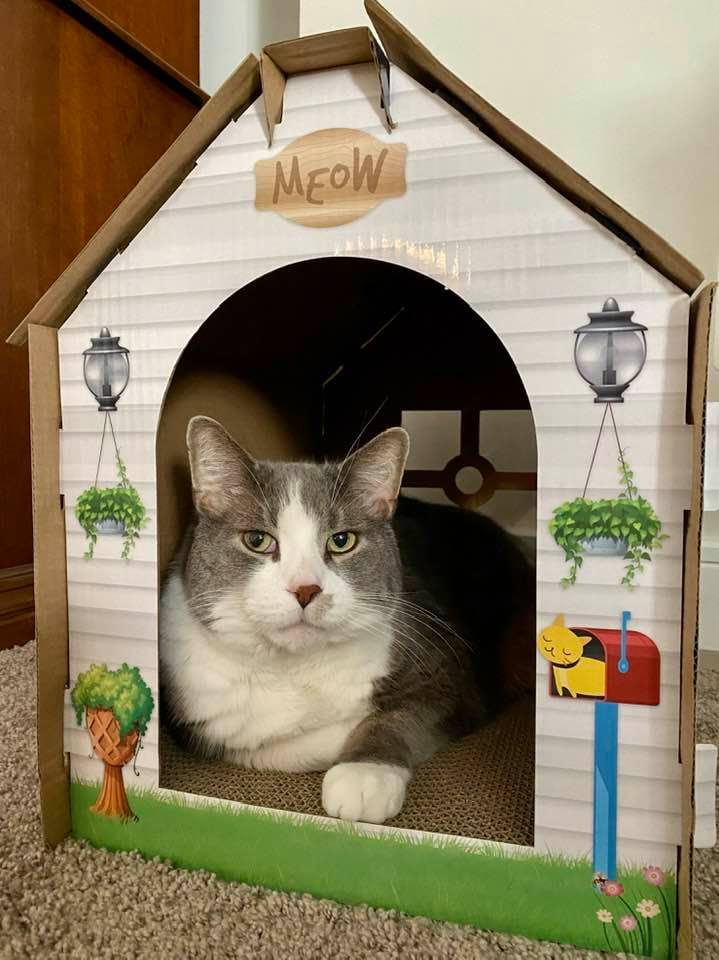
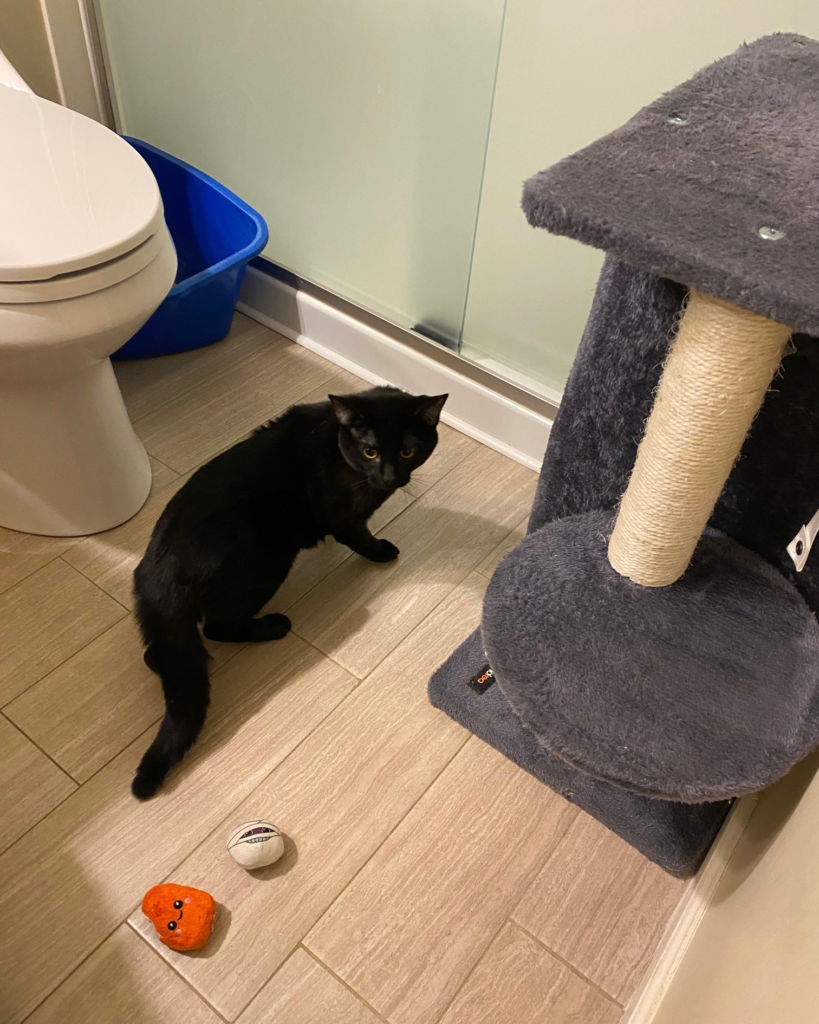
Small Spaces Work Very Well for Cats: Naturally cats prefer small, secure areas where they can observe their surroundings while feeling protected. They often choose small spots like boxes, shelves, or enclosed corners. For foster cats or kittens, a small room such as a bathroom, bedroom, or enclosed corner can help them:
- Adjust slowly to new people and smells
- Locate their litter box easily
- Establish a feeding routine
- Feel less overwhelmed in a new environment
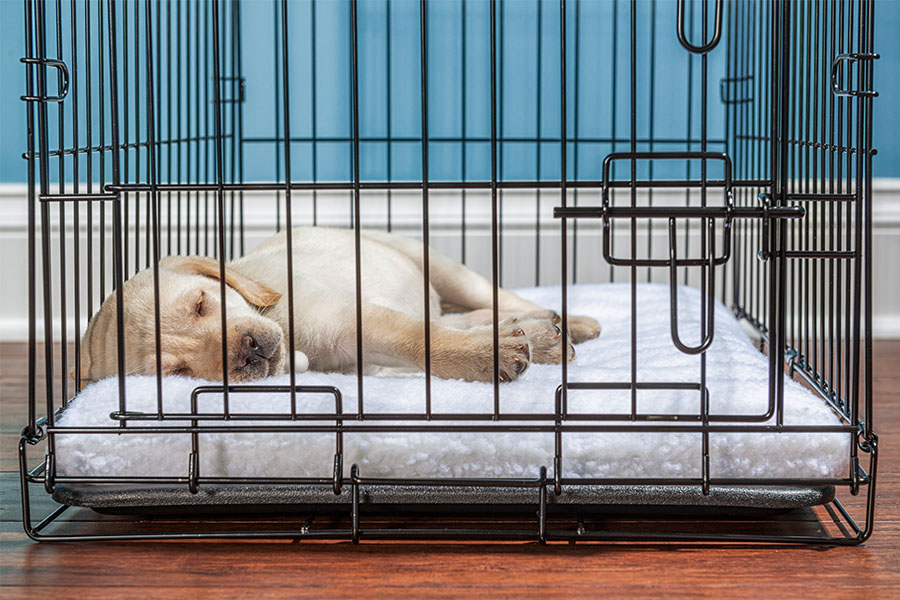
Small Spaces Benefit Dogs: Dogs need regular walks, playtime, and human interaction and not necessarily large living spaces. They can live happily in apartments or smaller homes as long as they receive regular exercise. Small spaces can be helpful to foster dogs because they:
- Encourage calm behaviour
- Help with crate training and house training
- Prevent overstimulation in a new environment
- Make it easier to monitor eating, sleeping, and bathroom routines
Easier Monitoring and Care: Small spaces make it easier for caregivers to observe pets closely. It helps them quickly notice changes in appetite, behavior, or health, allowing them to respond faster if something is wrong.
Better for Training and Routine: Pets learn routines faster in smaller environments. Feeding, sleeping, litter training, and house training are often easier when animals have clear, limited areas where these activities happen.
Tips for Fostering in Small Spaces
- Use Vertical Space: Vertical spaces allow pets to stay active and stimulated without needing a large room. Cat trees, climbing shelves, or window perches give cats places to climb, rest, and observe their surroundings.
- Create Cozy Zones: Designate quiet corners for your foster pet to rest. A comfortable bed, soft blanket, or small crate in a calm area can help pets feel secure and relaxed. Consistency is the key.
- Rotate Toys: Rotating toys every few days keeps them interesting and helps prevent boredom.
- Take Outdoor Breaks: Nearby parks, quiet streets, or open spaces can provide exercise and mental stimulation. These outings help balance indoor living and give dogs the activity they need while living in a smaller home.
Remember that the biggest needs of foster pets are basic care (food, water, and shelter), love and interaction, safety and comfort. Space is way down the list.
To learn more about fostering, please visit our website and complete a no-obligation application today.