

By Oliver Bittenbender
Caring for any foster animal can be a very rewarding experience. We recently published a blog about the reasons to foster an adult cat (vs. kittens). But we wanted to follow up with a foster story to bring these benefits to life.
Jill’s Story
During the pandemic, Jill Belsky adopted two fully grown cats. In her words, “I loved that we could adopt cats that had a rough past and provide them with a fresh beginning.” Jill loved the cats so much that she wanted to welcome more into her home. But, with a human family to care for, she couldn’t take in and keep as many cats as she wanted.
So, Jill found a clever compromise, “I thought fostering could be a great way to enjoy being with more cats, while also providing a beneficial service for animals in need.” So, she signed up to be a foster caregiver with the Humane Society of Loudoun County (HSLC). And, given that she already had a great experience with adult cats in her home, she was very open to fostering a mature cat like Briar Rose.
A Lot to Love
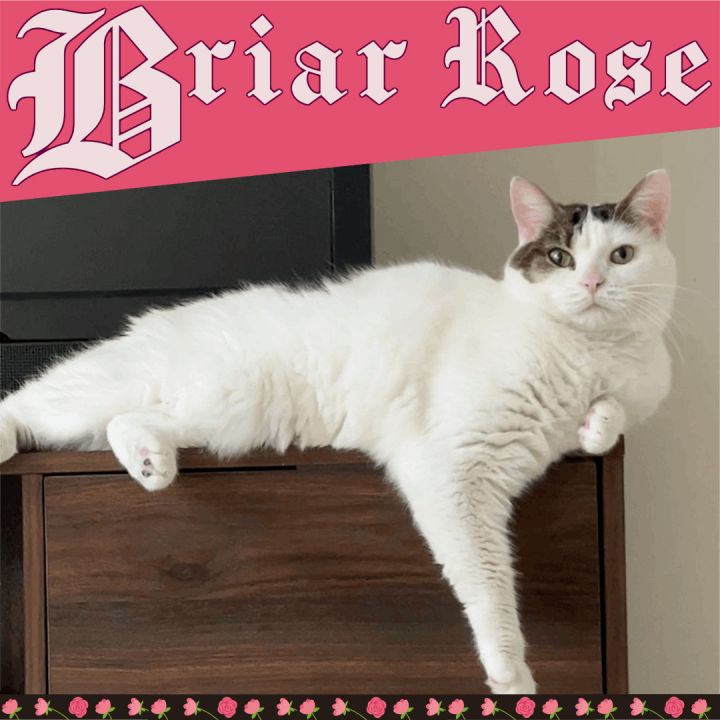
Briar Rose has made for a fantastic first-time foster experience. Having matured and mellowed out, she requires far less attention from her caretakers than kittens. As a standard best practice, Briar Rose was initially placed in a safe space–in this case, a spare room. This provided her with a chance to adjust to her new surroundings prior to being given free rein to explore the house. Before long, Briar Rose was snuggling right up to her new humans, showing how comfortable she was around them. She has also taken well to the other two cats, Robin and Edie.
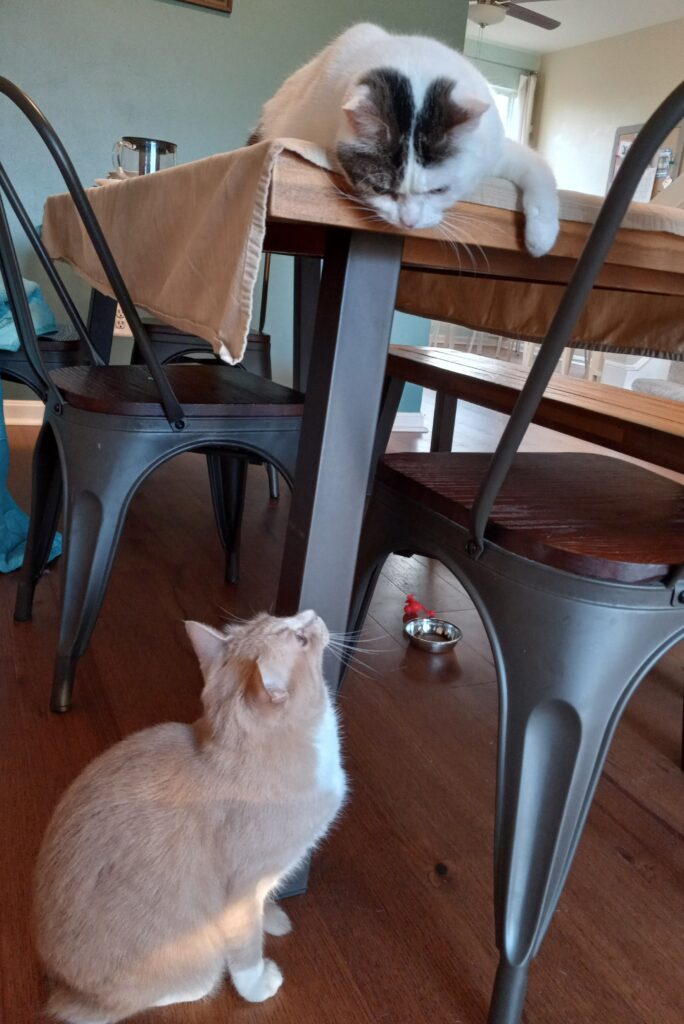
Jill finds that each cat “offers such unique interests, personality traits and ways of sharing their love.” From stroking her soft fur to watching her pounce at string toys and scratching posts, the Belsky family has found a lot to love about Briar Rose. Bonding with the new cat has been a rewarding experience for the whole family.
Words of Encouragement
Jill encourages those on the fence about fostering to think about the long-term difference they could make in a cat’s life for a relatively short-term responsibility. Homeless cats depend on kind people to be the bridge from their past to a happy and healthy life in a forever home. And though it may seem daunting at first, caring for a cat can quickly become second nature. “Before you know it,” Jill says, “you’ll likely fall in love with the foster cat, and any concerns you originally had become negligible.” Plus, with the care and support of the many amazing volunteers at HSLC, a foster caregiver is never alone in their journey.
Learn more about fostering with HSLC and complete a no-obligation application today!

By Joan Cassell
With the recent snowfall here in Loudoun County, this is a good opportunity to take a mid-season look at your pet’s cold weather needs. If you think about it, your pets have the same basic requirements that you do: shelter, safety, water and food. So, whatever you do for yourself in winter, your pets will probably need something similar.
Outdoor Time
Like people, dogs are susceptible to frostbite and hypothermia and should be kept inside when the temperature is below freezing. Although many pets have thicker fur during the winter months, it is a common misbelief that dogs and cats are more resistant to cold weather than people because of their fur.
Short periods of outside time is great for exercise and will keep your dog* from getting bored. If you have a pet with a short coat, there is no shortage of really adorable sweaters and jackets available. When selecting pet clothing, be sure it is safe, comfortable and made of non-toxic materials. Your fur baby should be able to walk, see, and hear clearly.
*The Humane Society of Loudoun County does not encourage allowing domestic cats outside unless they are leash trained or in a contained area like an enclosed porch.
Food and Water
Cold weather and heated homes, especially those without a humidifier, can make pets extra thirsty. So, keep your pets hydrated by ensuring their water bowl(s) are always full and readily accessible year-round. If you have outdoor water bowls, check them daily to make sure the water hasn’t frozen.
Keeping warm uses more calories, so even short periods of outdoor play may require more food intake. If exercise does not increase significantly then you can maintain your pet’s regular food intake. If you have special concerns, as always, talk to your veterinarian.
Hazards
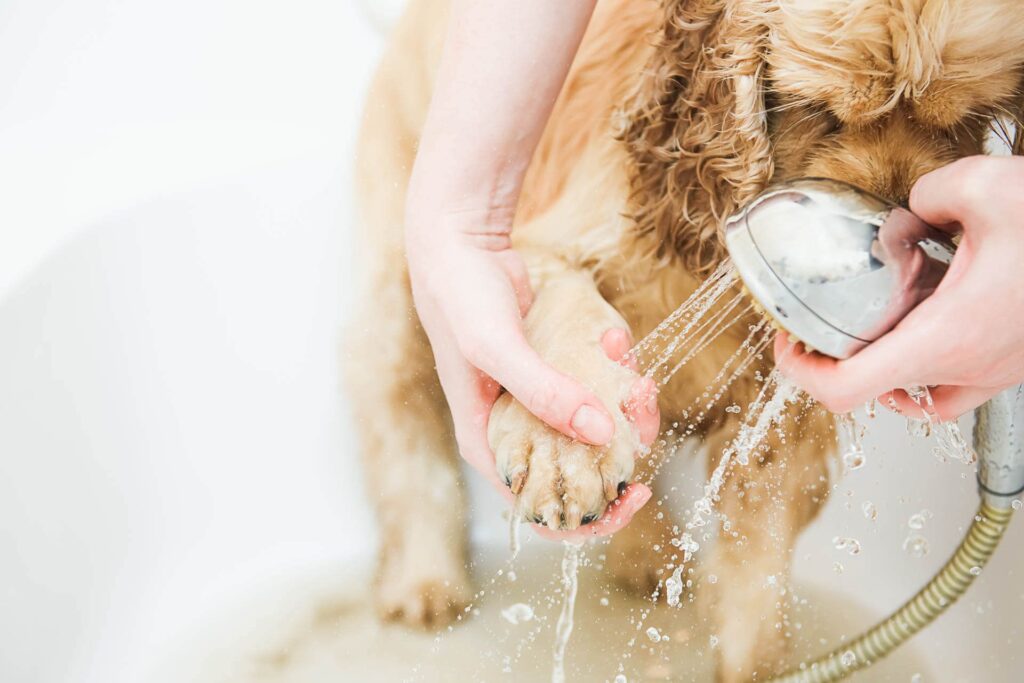
Ice and chemicals on the roads and sidewalks can damage paws. So, it is a good idea to moisturize your dog’s paws with petroleum jelly before heading out. And, be sure to clean those paws and legs after being outside. This will keep your pet from consuming harmful chemicals when they clean themselves. You may also want to consider pet booties to minimize contact with painful or poisonous substances like salt and ice melt crystals.
If your dogs are allowed to run off leash, always keep a very close eye on them to ensure they avoid frozen ponds, pools, lakes or other water sources. Unsupervised dogs may venture out onto a frozen area unaware of the dangers and get stuck in a bad situation. When in doubt, avoid these hazards altogether or keep your dog on a leash.
Lastly, notice your surroundings when you get ready to move your car. Sometimes stray and feral cats as well as other animals sleep in or under vehicles to stay warm. Before starting your car, honk the horn or bang on the hood to give any animals in or around your car a chance to escape.
Enjoy the outdoors with your pets for what is left of winter!
Looking for a cuddle buddy to snuggle with this winter? Consider fostering or adopting.

For most folks who celebrate Christmas, the tree has been taken down and the decorations stored away for another year. But, we had one more story bursting with holiday joy that we couldn’t keep to ourselves!
Supportive Fostering Experience
Ladybelle had been rescued by the Humane Society of Loudoun County (HSLC) in the fall of 2022. Despite her beauty, Ladybelle had trouble finding her forever home due to some sassiness. Fortunately, she landed with a patient and loving foster family, the Burbages, who helped her mature into a sweet young ladycat.
And, in turn, the Burbage family had the support of HSLC’s Animal Care Team (ACT). Mom Nicole had this to say about ACT Director, Amy Richards, “You have been an angel throughout this whole experience! Whether we had questions about behavior, medical issues or general cat questions, you’ve always been there for us as we navigated through the fostering experiences. As far as the Burbage family is concerned, YOU ROCK!!!”

Extra Special Adoption
Now, the best “mews”. As a wonderful Christmas morning present, Nicole decided to surprise her children by officially adopting Ladybelle! Amy even created a special certificate to make the adoption extra official! After 15 months of fostering, Nicole feels that they finally have their happy ending. “We just love her to bits and pieces!”

Fostering to Adopt
Not all rescues allow fostering-to-adopt, but HSLC does. So, if you are thinking about adopting an animal, consider fostering first to see if they are a good fit for your household. Likewise, if you want to give fostering a try, don’t worry that you won’t be able to keep your foster cat or dog. Foster caregivers have the right of first refusal if they decide to add the foster animal to their family.
If you are new to fostering, you may find the following blogs helpful:
- Interview with a First-time Foster Mom
- How Do You Foster without Getting Attached? You Don’t.
- Pawsome Foster Stories
By Lauren Puckett
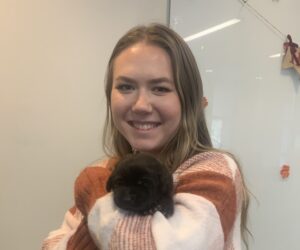
Did you know that performing an act of kindness actually ignites a chemical response in your brain? That’s the positive feeling you get when you do something for someone else, and it’s been coined the “helper’s high.” Beyond the momentary euphoria you enjoy, greater health and increased longevity have also been associated with this psychological state.
Here are four ways you can do a good deed (or two!) for the Humane Society of Loudoun County (HSLC) and get your own helper’s high in the new year!
DONATE
At HSLC, we are not funded by any county, state, or federal organizations. Our work is only made possible because of donors like you. Your tax-deductible donations make things like this possible:
- $20 provides two pet food kits for families in need, or two community cats enough kibble for a month
- $50 vaccinates an animal for rabies or provides five pet food kits for families in need
- $75 covers a sick exam for a foster animal
- $200 provides 20 pet food kits for families in need
- $1,000 covers the average medical cost for a foster animal (in 2022).
In addition to providing financial support, you can donate an item or two from our various wish lists. In-kind donations from these lists help to lower our operating costs, freeing up funds to save more animals.
Dig Deeper
For more information, read “When you donate, where does your money go?”
VOLUNTEER
As a volunteer-based organization with no paid staff, HSLC relies on volunteers to carry out our life-saving mission. We need many folks focused on animal care, of course, but we also need volunteers to cover the business side of the organization: finance, technology, fundraising, marketing, events and administration. Our immediate needs include fosters and volunteers to support our expanding dog foster program.
FOSTER
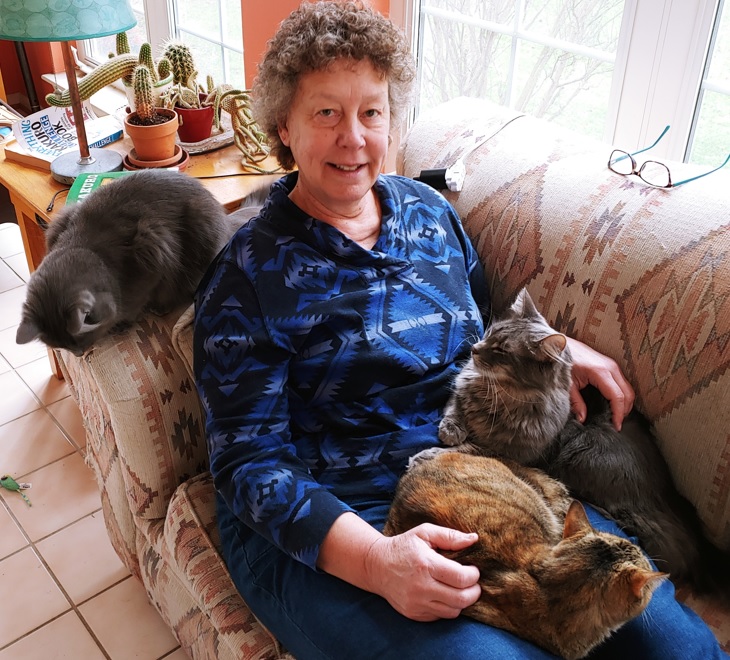
As a foster-based organization, we do not have a physical shelter. We can only save animals when we have a foster home to place them in. Foster families provide a healthy and safe environment for the animal. Fostering increases the animal’s chances of being adopted and helps them overcome the stress of being abandoned in a shelter. When you open your heart and home to an animal in need, you are giving them a second chance at life. Types of fostering include:
- Regular fostering
- Vacation fostering
- Emergency fostering
- Short-term fostering
- Special needs fostering
To become a foster, please complete an online application.
ADOPT
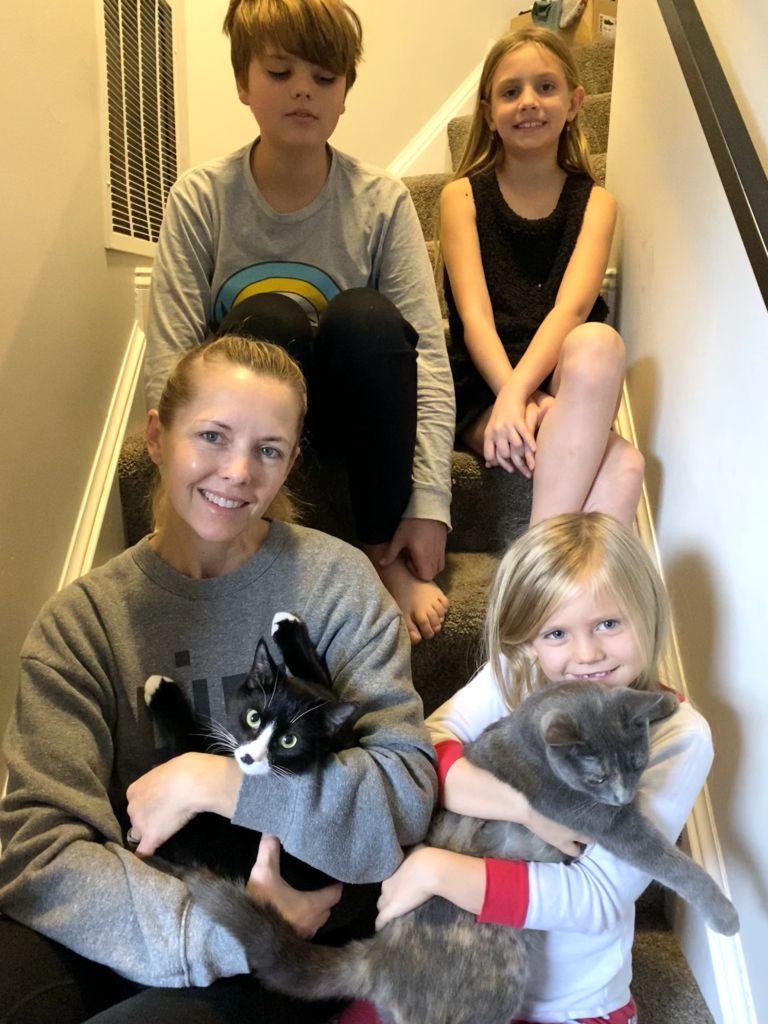
Each year, shelters and rescue groups take in millions of cats and dogs nationwide. “Moving” and “landlord issues” are the top reasons people give up their pets. This means organizations like HSLC have dozens of animals in their care who are anxiously waiting to meet their forever families. We hope that HSLC will be your first choice when choosing a companion animal. All pets adopted through HSLC come with the following benefits:
- Spaying or neutering at the appropriate age (even if it’s after adoption)
- Current on their vaccinations
- Microchipping
- A lifetime of post-adoption support
- Information about the animal’s behavior in a foster home environment
If you are interested in adopting, be sure to check out our available animals!

By Liz Bresnahan
As an entirely foster-based organization, the number of animals the Humane Society of Loudoun County (HSLC) can accept is completely dependent on the number of foster homes we have. Currently, HSLC has a very limited number of dog foster caregivers. But, Amy Richards would like to change that. As HSLC’s Animal Care Director, here is Amy’s vision for what an ideal dog foster program would look like.
Strength in Numbers
Amy understands how important it is to have a deep bench of fosters. Having an extensive foster network would ensure that a safe landing is always available when HSLC is asked to take in an animal in need. While long-term fosters are crucial, vacation fosters are also essential as they can step in and support whenever a long term foster is out of town or in case of an emergency.
Transport
Sometimes dogs come to HSLC from out of the county and even out of state. In those cases, we need volunteers who are willing to drive to the dog, either at its original location or at a mid-way point if the other rescue/shelter can arrange a transport volunteer on their end.
Additional Help
Before a dog arrives in the foster home, Amy would like them to be assessed by one of HSLC’s vet partners, and/or a trainer or behaviorist if applicable. That way, Amy can pair the animal with a foster who is best able to meet the dog’s specific needs and set the animal up for a successful adoption.
Resources
While HSLC covers all medical costs, it relies on the foster to provide food, crates, grooming supplies, etc. If the community donated these resources, this would allow the foster family to focus solely on taking care of their foster animal. Additionally, Amy would hope to have enough funding for training and boarding for the foster dogs when necessary.
Dog Foster Coordinator
As the dog foster program grows, Amy would foresee needing additional support to manage the details and day-to-day needs of the fosters and any emergencies that arise. As part of the coordinator role, this individual would also organize outings for the dogs, such as group walks and playdates, to help with socialization and train new foster caregivers.

At HSLC, we hope that Amy’s vision of a comprehensive dog foster program can someday be a reality. It would allow us to be able to support more dogs like Tipper who was recently rescued. He is a senior dog who was surrendered by an elderly owner who could no longer care for him. When he came into HSLC’s care, it was clear that he needed significant grooming and medication to treat Lyme disease and Anaplasmosis. He’s all cleaned up now and anxiously waiting to find his forever home. Be sure to check out his bio!
If you are interested in learning more about becoming a dog foster or feel inspired to contribute to HSLC’s foster program in other ways, please contact foster@humaneloudoun.org.

By Lauren Puckett
In August 2021, Tracy Mathews was driving along one early morning in Purcellville when she thought she saw cats in the woods on the side of the road. Upon investigating further, the TNR and Animal Care Administrator for the Humane Society of Loudoun County (HSLC) found several cats hanging out in the bushes. Thankfully, Donna Drake, a former HSLC volunteer and board member, was able to humanely trap the kitties so they could be properly assessed. (For more backstory, read Destiny Can Win Again.)
Tracy took in three of the cats who were healthy and huddled together. Dubbed the Cats of Purrville, she gave the trio a safe landing in the feral kennel at her farm. There, she quickly determined that the cats were very shy but social, so likely adoptable. However, they did not show well at adoption events because they were so scared.
The Purr-fect Adopter Comes Along
Tracy fostered Morris, Myrna, and Felix, for 16 months before a potential adopter, Robin, came calling. During the meet-and-greet, the cats immediately went into hiding when Robin came into the room. But, she trusted that they would warm up to her. Robin originally came to meet just Morris and Myrna but decided that she couldn’t bear to leave Felix behind – so she adopted all three cats!
“Having a bonded trio of adult cats adopted together is unheard of!” according to Tracy. She goes on to say, “Robin has made such a huge impact in their lives.” Since they have been adopted, the three cats have gained confidence and now rule the house. While they are still not lap cats, they are thriving in a loving home.
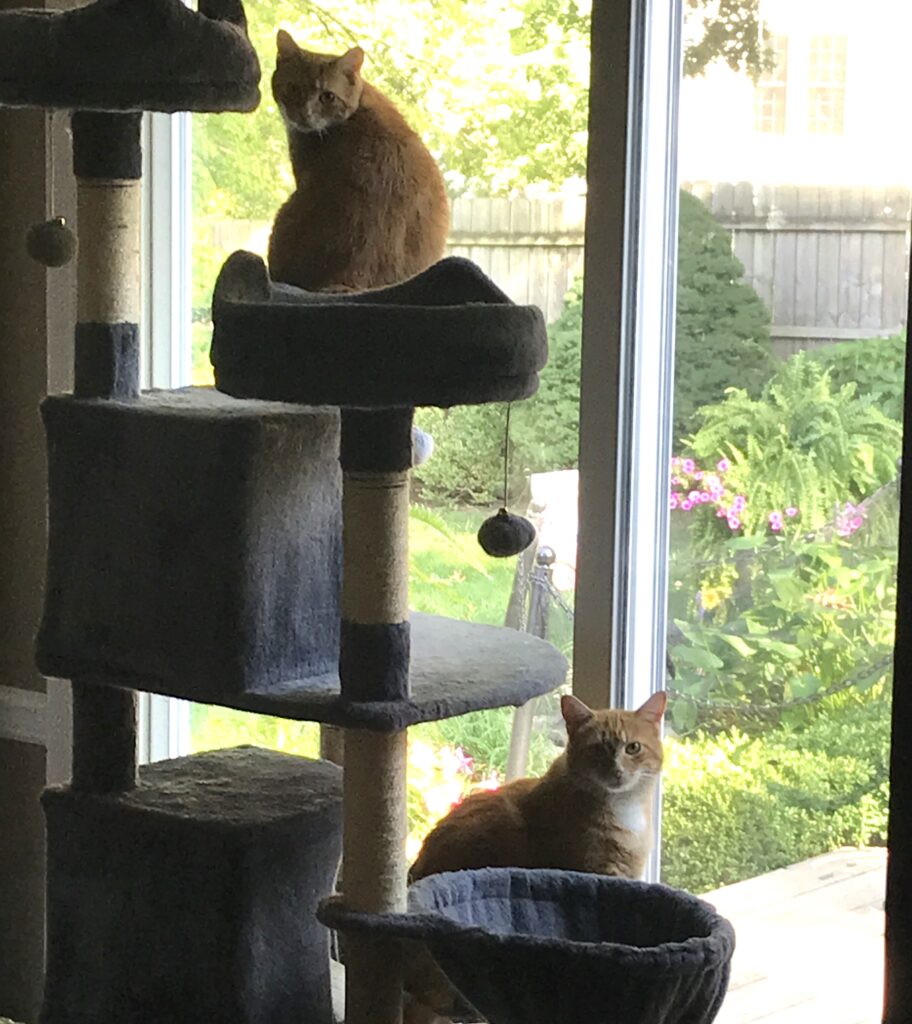
“Everything is going well,” Robin says. “Morris always desires attention and pets. Felix is coming along nicely and allows you to pet him. Myrna is emerging as the ring leader and at times it seems she tells the two boys what to do.”
Looking to adopt a pair of cats? Check out the available animals on the HSLC website.
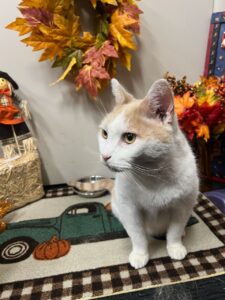
By Lauren Puckett
Three years ago, Rocio, a volunteer trapper and foster for the Humane Society of Loudoun County, found two stray cats near her home. She fed them for nine months, noticing that one of them seemed especially friendly. Rocio had just begun looking for a home for him when one day the cats stopped coming around.
Fast forward to August 2023, when HSLC received a request from a woman who had been feeding two cats and noticed that one was limping. Rocio went to the woman’s house to assess the cat. She was surprised to see that it was Boots, the very same cat that she had fed three years earlier!
She coaxed him out from his hiding place underneath a shed and took him to the vet. As it turns out, Boots is completely tame and healthy (the limp was due to a gluey residue stuck to his paw, which will be monitored). Now that he has a clean bill of health, he will go to an HSLC foster home until he finds an adoptive family.
“Boots doesn’t belong outside – never did,” says Rocio. “It took me a week to gain his trust again and he is very sweet. He knows his name and as soon as I call him he comes running and sits close to me asking for love.”
HSLC is glad to provide Boots with the second chance he deserves, thanks to Rocio and other dedicated volunteers like her!
To learn more about becoming a cat trapper with HSLC, visit our page of current volunteer opportunities.
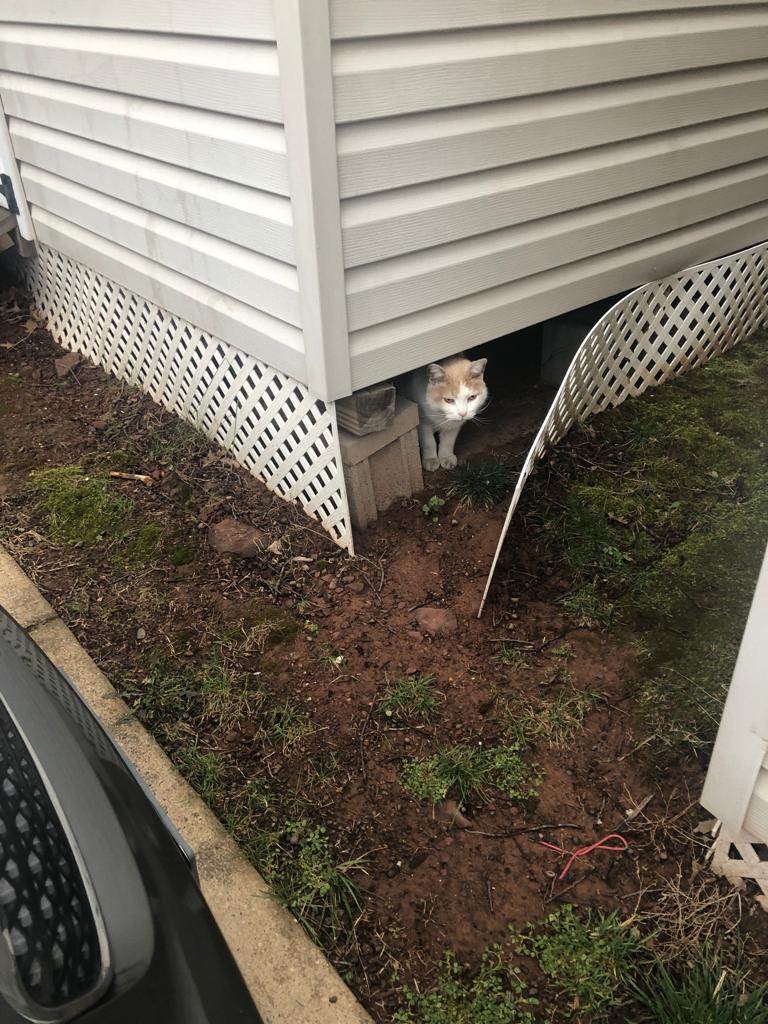
Boots before he was captured

By Liz Bresnahan
Fostering dogs has intrigued me for quite some time. Prior to adopting our dog, Finn, he was looked after by a foster family that devoted their time and energy to care for him until he was adopted. Of course we were very appreciative of their support and that Finn had a safe and loving home. Since then, our gratitude for Finn’s foster caregivers has only grown, as we started discovering just how crucial fosters are to helping animals get adopted.
The Humane Society of Loudoun County (HSLC), like other organizations that do not operate a shelter, relies heavily on its foster caregivers to open their hearts and homes to animals in need. While considering the opportunity of dog fostering, I was perusing HSLC’s website and noticed something that piqued my curiosity. A significant discrepancy exists between the number of cats that were fostered last year as compared to dogs. Specifically, while hundreds of cats were fostered (249 to be exact), there were only six dogs due to a severe shortage of dog fosters. I came to learn that this large gap is a pattern and not unique to 2022. To say I was surprised by this trend is an understatement, as it apparently has been for many people before me.
Knowing about the great need for dog fosters along with my desire to pay it forward for Finn, we embarked on the journey of dog fostering. Being brand new to this role, we knew that there was going to be a learning curve. Interestingly though, aspects of this transition have gone smoother than anticipated. Below are some takeaways from our experience fostering a dog named Lola.
Setting realistic expectations for ourselves and the dog has been crucial.
Going into fostering with the understanding that Lola’s behavior may vary as she adjusts to new circumstances has gone a long way. Also, acknowledging that we cannot possibly anticipate every situation that will arise has really helped with our peace of mind. Being patient and flexible are important.
Despite the short time period, growth is already evident.
There are many moments with Lola that bring so much joy – from settling into the crate more easily at bedtime to increased displays of affection to feeling safe enough to try new toys. These moments remind us why we are doing this in the first place. Lola can learn to built trust with us, and eventually her forever family, through our regular support and a consistent routine. This, in turn, will help prepare her for her new home.
Fostering allows you to receive support from an incredible community.
Since the beginning, fostering has been a rewarding experience due, in part, to the support of others. We have received assistance from various volunteers within HSLC to help manage logistical matters, promote Lola to potential adopters, and receive timely guidance and information about fostering. We have felt part of a network of people working together to improve the quality of life for animals who need us.
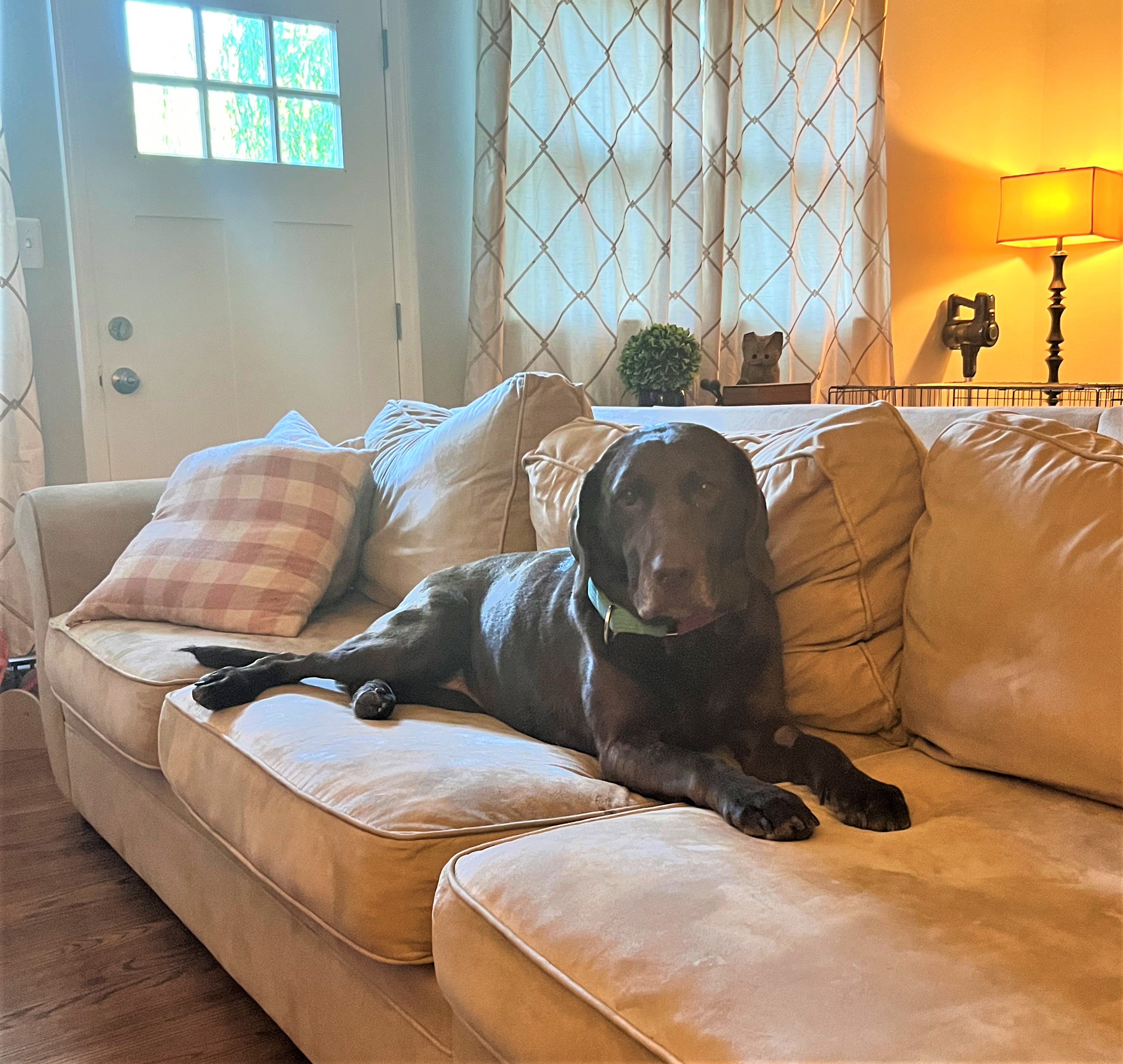
UPDATE: Lola was recently adopted by a wonderful family! Even though she was with us for just a few weeks, we had formed a connection with her. One of the reasons people may shy away from fostering is because they feel it would be too hard to part ways with the animal they have been caring for. It is difficult to say goodbye, that is for sure. But, seeing the joy that Lola brings to her new family is such a gratifying experience. It makes the experience 100% worth it.
There are many types of fostering opportunities available with HSLC, from short-term to long-term. To learn more, visit our website, or to discuss options, contact foster@humaneloudoun.org.

By Lauren Puckett
You’re looking for a new kitten. After weeks of searching, you find not one, but two – an adorable pair of baby black panthers named Maui and Ohana. Both boys are quite friendly with a wonderful purr, and you can’t wait to bring them home. The only thing that gives you pause are the adoption fees: $150 per kitten.
However, once you look into it, you realize these fees are actually a pretty good deal. The Humane Society of Loudoun County (HSLC) is paying to neuter, microchip, and vaccinate these kittens. The costs for these required services vary:
- $115 to $210 for vaccinations (Daily Paws)
- $100 to $400+ for neutering (MetLife Pet Insurance)
- $45 for microchipping (Daily Paws)
But even at the low end of those ranges, it adds up to $260 per kitten. And that’s just for the healthy animals. For older, sick or injured animals, additional services–including surgery–may cost thousands. It’s no wonder that HSLC paid an average of $1,063 per foster animal in 2022. However, as a completely volunteer-run, foster-based organization, we do not incur expenses to operate or staff a physical location.
So, when you adopt from HSLC or other rescues, remember that the adoption fee is only covering a fraction of the actual expenses incurred. The remaining costs are covered by donations from caring individuals, businesses and foundations that support animal rescue.
Like other rescues, HSLC typically has higher adoption fees than local shelters because we do not receive funding from county, state or federal governments. HSLC’s adoption fees are on par with other non-profit rescues in the area.
Moreover, we’ve been able to keep our adoption fees – $150 per cat and $300 per dog – consistent for more than five years. This is due to the generosity of the community and because our veterinary partners continue to offer discounted services to HSLC even when faced with increasing costs.
To discover the many ways you can support HSLC’s life-saving mission, please visit our donate page. And, to adopt your next family member, visit our adoption page.

By Lauren Puckett
Eating is an essential part of living. But for our feline friends, it’s not always easy. Many cats can be picky eaters, while others tend to overeat. Over time, these issues can each lead to bigger health problems. Here’s what you can do if your cat is a difficult eater.
If Your Cat is a Picky Eater…
- Visit the Vet: First, make sure your cat is in good health. Visit the vet to rule out digestive problems, dental problems, and chronic illnesses such as inflammatory bowel disease or kidney disease.
- Try Different Textures: If your cat’s health is good, it may simply be that he or she doesn’t like the texture of food you’re providing. Try offering different textures –dry, canned, or semi-moist –and see if that jumpstarts eating. VCA Animal Hospitals advises, “For the semi-moist and canned food eaters, offer very small amounts at any one time. For a cat who is willing to eat dry, but just not all at once, it is reasonable to measure out the entire day’s portion all at once in the morning.”
- Increase the Appeal: Some human foods are safe to use on top of your cat’s food to increase its appeal. These include no-salt-added chicken or vegetable broth, fresh or frozen water-based vegetables such as broccoli, and dry scrambled eggs. Be sure to check with your veterinarian before trying these options and note that onions, garlic, leeks, scallions, shallots and chives are harmful to cats.
- Rule Out Environmental Factors: Cats can be fussy about their environment when eating. For instance, some don’t like an audience, while others may want to be stroked or even hand fed. Some cats are okay eating cold (wet) food, while others like their food warmed. Some cats don’t mind eating out of a dirty bowl, while others will only eat from a clean one (cleaning bowls is good practice anyway to avoid bacteria). Try changing different aspects of your cat’s environment to see if it makes a difference.
- Don’t Force a Schedule: Sometimes, the problem may be that your cat simply doesn’t like to eat on the mealtime schedule that you are offering. Some cats are grazers and eat when they feel like it. Try leaving food out beyond mealtime. However, refrain from doing this for canned food, as it may spoil.
If Your Cat Overeats…
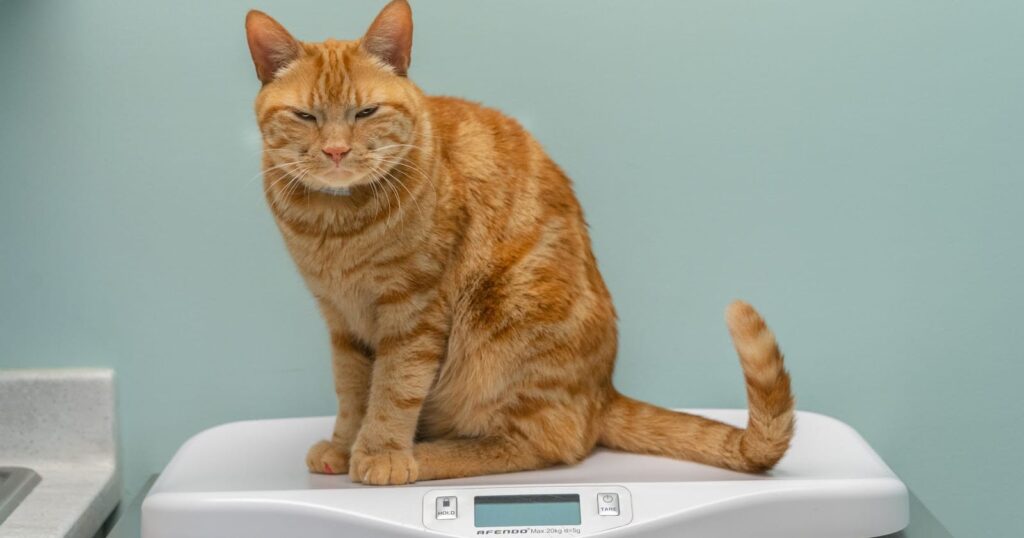
- Visit the Vet: Just like when your cat is a picky eater, overeating may be due to underlying health issues. These include diabetes, hyperthyroidism, parasites, and bowel problems. Rule these out first.
- Exercise Portion Control: In consultation with your vet, feed your cat measured portions at each meal (once or twice a day) and don’t leave food out between meals. Now, while this will help your cat lose weight, it may also lead to begging, which brings us to the next point…
- Don’t Give in to Begging: When your cat begs for food, he may just be bored or seeking your attention. Don’t give in by providing more food or a treat. Instead, get out your cat’s favorite toy and have a play session.
- Pay Attention to Nutrition: It’s possible that your cat’s food isn’t providing the nutrients he or she needs. Paw Tracks advises, “Consider switching to a higher quality cat food that provides them with the vitamins and minerals they need to be healthy.”
- Provide More Volume: You can actually add food to your cat’s meal, as long as it consists of water-based vegetables. These may include green beans, broccoli, or cauliflower, and they will make your cat feel fuller after eating. Just be sure to consult your vet first.
- Use Interactive Food Toys: If your cat eats too quickly, interactive food toys are a good solution. VCA Hospitals recommends, “One low-tech option is to use a muffin tin and place pieces of the cat’s kibble, or bites of his canned food, into each muffin holder.” You can also hide different portions of your cat’s meal around the house. Finally, you can buy an interactive food toy that releases a few kibbles at a time, or a slow cat feeder bowl shaped like a maze.
- Make Sure Your Cats Eat Separately: In multi-cat households, competition and food envy can be a problem and cause your cat to eat greedily. To combat this, feed your cats from their own bowls in different areas of your home.