
Part 2 – I am FeLV+. But, please don’t count me out!
By Uchenna C. Okeke
Feline Leukemia Virus (FeLV) is a condition that often sparks fear or confusion. Too often, the diagnosis alone is enough to send potential adopters walking away. They picture a sickly cat with little time left. But beneath the label is a fur-baby that yearns to live, love, and be accepted.
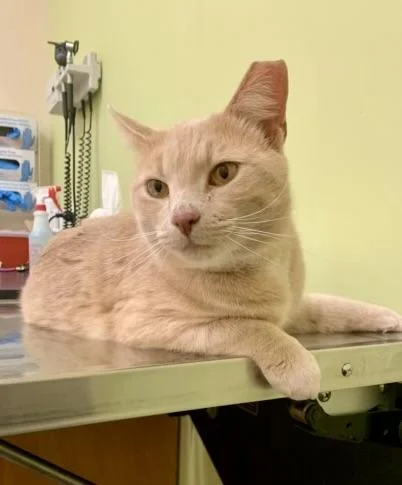
If Sonny could speak, this orange creamsicle of a cat might tell you: “Yes, I am FeLV+, and I plan to live a long, healthy, love-filled life. Please don’t count me out.”
What is FeLV?
Feline Leukemia Virus (FeLV) is a viral infection that compromises a cat’s immune system, making them more vulnerable to illness. Fortunately, FeLV is preventable through vaccination (85% effective), and regular testing can help detect infection early and prevent its spread. FeLV spreads mainly through close contact with infected cats via saliva, urine, or milk, often during activities like grooming, sharing food or water bowls, or bites. It can also be passed from mother to kitten during pregnancy or nursing. It is more common in outdoor or unneutered cats, and it cannot spread to humans or other animals like dogs.
Signs of infection may include weight loss, poor appetite, lethargy, pale gums, recurrent infections, or skin problems, although many show no symptoms for a long time.
What Hurts More Than the Diagnosis? – REJECTION!
Let’s be honest. Viruses scare people and such fear leads to rejection. But for FeLV+ cats, the hardest part of their diagnosis isn’t the virus itself, but the rejection that follows. Potential adopters often overlook them in favor of healthier cats. They see the “FeLV+” label and move on, without giving these loving cats a chance. Yet the truth is, with proper care, many FeLV+ cats live comfortably and happily for years.
How to Care for FeLV+ Cats
Caring for a FeLV+ cat isn’t hard, it just takes compassion, awareness, and a little routine. Here’s how to help your feline friend stay happy and healthy:
- Keep Them Indoors: This keeps them safe from infections, stress, and danger. A cozy indoor space filled with toys, soft beds, and window views gives plenty of fun and comfort they need.
- Feed a High-Quality Diet: Feed a high-protein, low-filler diet. Some vets may recommend immune-boosting supplements or special formulations. Always consult your vet before switching foods.
- Schedule Regular Vet Visits: Regular check-ups can detect issues early, even if your cat appears healthy.
- Create a Calm Environment: Stress weakens the immune system, so keep the home calm. Minimize loud noises, sudden changes, and overcrowding. Provide hiding spots and safe zones where your cat can relax.
- Keep Solo or Provide Safe Companions: FeLV spreads through close contact, so it’s safest to keep FeLV+ cats either alone or with another FeLV+ cat. With vet advice and proper vaccination, living with a FeLV-negative cat may be possible, but needs very close supervision.
- Give lots of Love: FeLV+ cats form deep bonds with their humans. They know what it means to be passed over, and when you choose them, they don’t take it lightly. So cuddle often, play daily, and remind them, through every moment, that they belong.
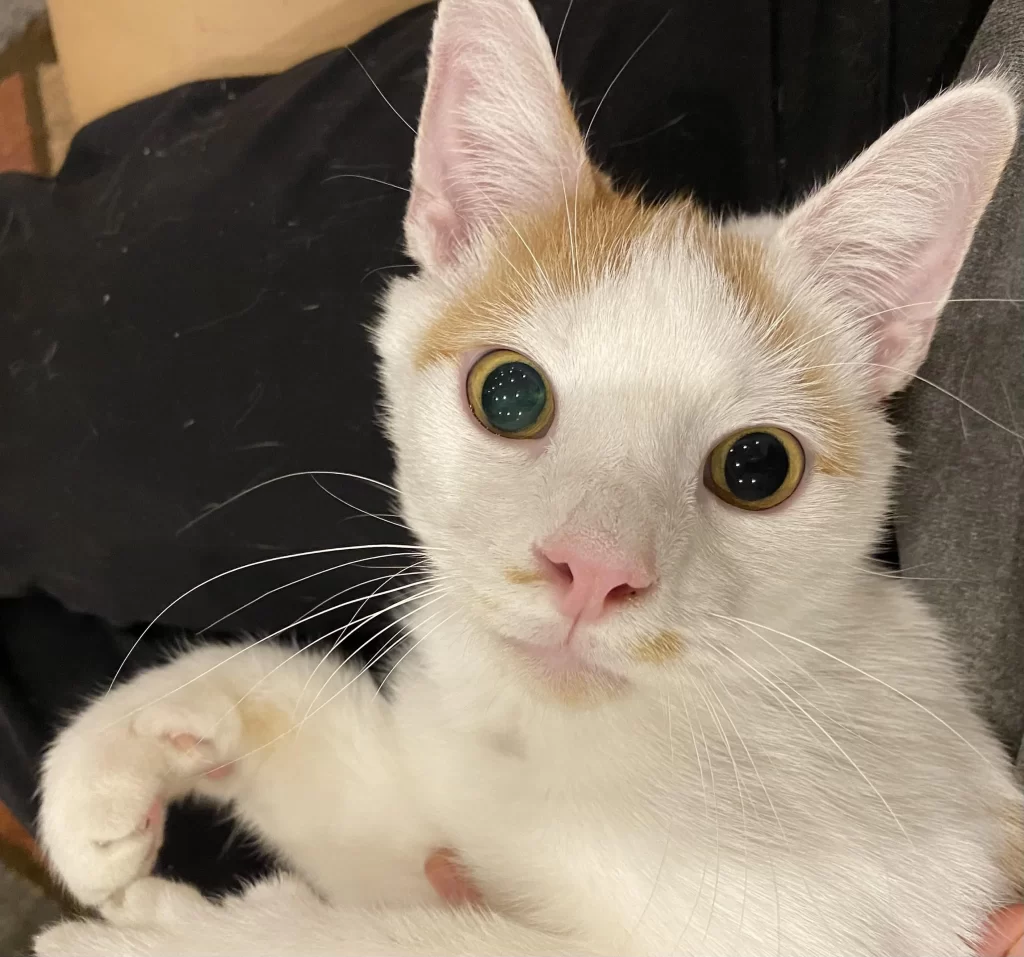
Sonny is Waiting for You
Every day, cats like Sonny watch as others around them are adopted. Their profiles get fewer clicks. Their foster homes get fewer visits. Not because they’re unkind or unfriendly, but because of a virus they didn’t choose. Sonny doesn’t know what FeLV means. He doesn’t understand why he doesn’t get a second look. He just curls up on his blanket and waits. But he’s not waiting for miracles. He’s waiting for you.
FeLV+ cats are not broken or fragile. They are simply special. And they need someone willing to look beyond a diagnosis and see the sweet soul looking for a caring human. If that might be you, learn more about Sonny and his dream of finding a home of his very own.
And, be sure to stay tuned for next month’s article because your pet has more to tell you….
Did you miss Part 1 of this series? No worries! It’s still available here: If Your Pet Could Speak – I want to fit in, but please don’t rush me.
Part 1 – I want to fit in, but please don’t rush me
By Uchenna C. Okeke
What if your pet could speak your language? Instead of a wagging tail or wary glance, you might hear your new cat say, “Everything is strange, and this place smells like a thousand unknown things,” or your dog whispers, “I’m trying to be brave, but I need you to see I’m scared.” Companion animals don’t speak English or any human dialect, but they do communicate – through body language, facial expressions, vocalizations, and sometimes silence.
‘If Your Pet Could Speak’ is a new series that uncovers your pet’s hidden language. Let us start from the beginning, that very moment your pet first walks through your door.
“I Want To Fit In, But Please Don’t Rush Me.”
Your fur-baby has just arrived at home. You’ve fluffed their bed, filled their bowls, and bought them too many new toys. It’s an exciting moment for you, but for your new addition, everything is new. The strange scents, unfamiliar sounds, and even the presence of another pet can feel overwhelming.
This is a sensitive moment that calls for patience and calm. Rushing it can create anxiety, distrust, and even aggression. Many pets are returned to shelters and rescues simply because they weren’t given time to adjust. For animals, feeling safe must come before feeling loved.
Why Slow Introductions Matter
Gentle, gradual introductions aren’t just kind, they are effective. A slow introduction helps build trust and ease stress. Calm introductions help prevent misunderstandings and tension with kids or other pets in the home. A measured start can help your pet adjust.
Helping Your Pet Adjust
When No Other Pets Are Involved
Designate a quiet room for your pet to relax and unwind. Add something familiar, like a blanket or toy from their previous life, if possible. Sit nearby without forcing attention. Let them approach you and explore when they feel ready. Avoid loud noises or sudden movements. As your pet grows more confident, gradually open more of the home. The first few days aren’t for training, they’re for building trust and helping your pet feel they belong.
Meeting People
Encourage everyone to move slowly and speak gently. Standing over a nervous pet can feel intimidating, so sit or bend instead. Avoid staring directly; instead blink slowly or look away. Children should sit on the floor, offer treats with open hands, and stop petting if the animal pulls back. Let the pet initiate contact.

Dog to Dog
Begin by swapping bedding or toys so they can get familiar with each other’s scent. Let them meet on neutral ground, like a quiet street, using long leashes. Walk parallel instead of side-by-side. Stay calm and separate them if tension rises. At home, remove toys and bowls that could spark competition. Keep family attention balanced at first, so pets don’t feel the need to compete for affection. Supervise meals and play. Use positive reinforcement. With time, they can learn to live together.
Cat to Cat
Create a safe space like a bathroom or bedroom for your new cat stocked with necessities like food, water, litter box, and toys. Keep them separated at first. Exchange scents and feed cats on separate sides of a closed door. Over time, move bowls closer. When both cats are calm, provide visual meetings using a baby gate. Adjust the process based on each cat’s comfort level for a peaceful coexistence. Sometimes, reintroducing cats or using pheromone products may also help.
How to Introduce 2 Cats in 5 Proven Steps (Video)
Dog to Cat
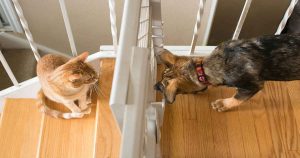
Introduce pets during a peaceful time in the household. Swap scents before they meet. Facilitate safe visual meetings using a crate or gate. Ensure your dog is on a leash. Make sure the cat has escape routes. Gradually increase interaction time while ensuring both pets have their own space and resources.
Successful introductions don’t happen overnight. They require calm consistency, boundaries, and empathy. Some pets bond in days, others take longer. By offering patience and safety, you lay the foundation for trust and a lifelong bond.
Now that your pet is starting to feel at home, stay tuned for next month’s article to find out what else they have to say….

The Humane Society of Loudoun County (HSLC) is a foster-based rescue—which means we do not operate a physical shelter. Every animal we save depends on the availability of a foster home. Without fosters, we simply can’t take in animals in need. And right now, in 2025, we haven’t been able to take in a single new dog—due to a severe shortage of safe landings.
That’s where you come in.
Fostering is more than just providing a temporary place to crash. It’s a lifeline. It’s the bridge between what an animal’s life was—whether they were abandoned, neglected, surrendered, or at risk in a kill shelter—and the life they deserve in a loving, forever home.
Fostering:
- Helps animals decompress from the stress of shelters
- Increases their chances of being adopted
- Teaches them what love, safety, and routine look like
- Saves lives—literally
And here’s the best part: HSLC covers all medical care, and we’ll match you with a mentor who will support you every step of the way.
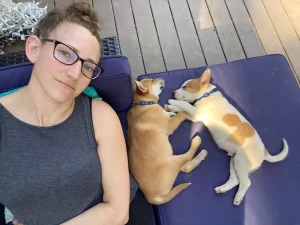
Fostering is also flexible. Whether you’re not ready for a long-term commitment or simply want to experience the joy of having a pet in your home, fostering gives you that opportunity.
Right now, we need dog fosters more than ever. Dogs who are waiting in shelters are counting on us—but we can’t say “yes” to them until someone like you says “yes” to fostering.
Please consider becoming a foster hero. You can fill out our no-obligation application here, or help us by spreading the word. Every share makes a difference.
Thank you for being part of the village it takes to save lives.

By Heather Nokes
There are several reasons a pet may get lost: bolting out an open door, sneaking under a fence, or just simply wandering off. If this were to happen to you, how would you respond? Most pet owners would worry about the well-being of their pet, and rightfully so! Some relief may be found in remembering they have a collar or ID tag on but there is a chance those could come off.
This is where a microchip comes in.
What is a microchip and how does it work?
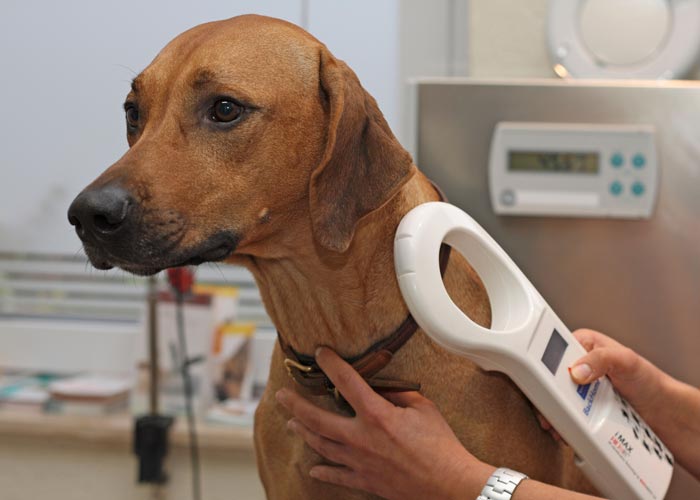
A microchip is a small glass cylinder (about the size of a grain of rice) that contains a chip activated by a scanner. When scanned, the chip presents a unique number which is known as the microchip number. Therefore, when a lost pet is located, any veterinary hospital, shelter, or rescue is able to scan them with a universal scanner. If a chip is located, the scanner will beep and display the unique number on the screen. This number can then be input into any microchip website and the contact information registered to the chip will display.
Can you track your pet with a microchip?
The short answer is no. Because the chip can only be activated by a scanner, it cannot be located virtually.
How can you get your pet microchipped?
Your veterinarian should be able to implant your pet with a microchip at your next visit! If for some reason you cannot get one at your vet or it is too costly, most shelters and humane societies have them available for a low cost and may even administer them for you. Most people trained properly in animal care are able to safely implant a microchip.
How is a microchip implanted?
The procedure itself is simple. The microchip is incased in a sterile syringe with a needle on the end. The needle is inserted just under the pet’s skin, often between the shoulder blades. The syringe is then pushed which plunges the microchip under the skin. Simple as that! The pet often only feels a slight pinch during this time, not much different than getting blood drawn. Once the microchip is under the skin, the pet cannot feel it.
What else is there to know about microchips?
- There are several companies that make microchips but no matter which one you choose, a universal scanner will be able to scan them all.
- Some microchips have technology where they can gauge the body temperature of the animal.
- Microchip registries can make it easy to keep track of your pet’s health records.
If you are still not convinced that microchipping your pet is the right decision, ask your veterinarian for more information.
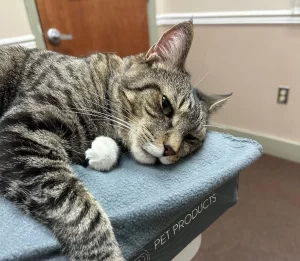
Sometimes, the difference between life and death for an at-risk animal isn’t a major rescue operation or a miracle—it’s a single person saying “yes.”
That was the case for Nugget, a sweet, four-year-old cat who arrived at Blue Ridge Veterinary Associates with a life-threatening urinary blockage. His owner, unable to afford the necessary treatment involving catheterization, was out of options. Nugget’s future looked heartbreakingly bleak.
But one person changed everything.
Andrea, a Blue Ridge employee and previous HSLC adopter, couldn’t ignore the appeal that came her way. “When the plea for help with Nugget went out, my heart just sank,” she shared. “Several rescues had already turned him down because they had no funds, fosters, etc.” But Andrea wasn’t going to let Nugget’s story end there. She reached out to Tracy, Director of Animal Care Operations at the Humane Society of Loudoun County (HSLC), hoping there might still be a chance.
Tracy’s response was immediate and positive—but there was a catch. “She didn’t have a foster,” Andrea recalled. “I thought, oh no, that’s not going to stop us from getting this guy help.”
So Andrea did what heroes do: she stepped up.
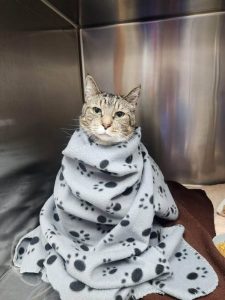
With HSLC’s support, she opened her home to Nugget, giving him the safe landing he desperately needed. “Nugget is doing great! Eating, drinking, using the litterbox. Getting some rest—he likes to lounge,” Andrea said. “He likes to be loved on, head scratches and pets so far. I get the feeling he wasn’t given a lot of affection in his previous life.”
From day one, Nugget was the perfect patient—calm, cooperative, and full of quiet charm. He quickly became a favorite at the clinic, capturing hearts with his gentle spirit.
This isn’t Andrea’s first time fostering, but she says it felt like fate. “It was just meant to be. I just happened to check my Slack feed, Tracy just happened to check her texts, the planets aligned,” she said. “I love animals, my husband loves animals, and he refers to himself as the ‘Pied Piper of cats.’”
Fosters Needed
Andrea believes that fostering is one of the most rewarding things a person can do. “If you have the time, space, and heart for helping animals, take that leap,” she urges. “There is such a need out there, so many animals that need a loving place to land before they find their forever home. Open your heart and your home.”
Nugget is alive today because someone said yes.
You can be that someone.
You can be the hero in an animal’s story.
Apply to become a foster with the Humane Society of Loudoun County today. Because every animal deserves a soft place to land—and maybe, a window seat to call their own.
Want to know more about fostering or start the application process? Visit our website today!
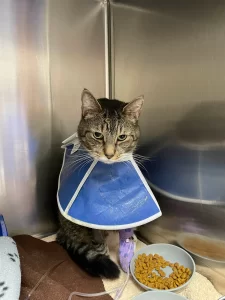

At the Humane Society of Loudoun County (HSLC), every animal we help is a life changed—sometimes even saved. But we can’t do it alone. That’s why we’re inviting you to take one simple step that can make a world of difference: become a Pet Partner through monthly giving.
More Care for Them—All Year Long
As a Pet Partner, your monthly gift provides lifesaving funds to dogs and cats in need—every single day, all year long. Whether it’s covering emergency vet care, food, or spay/neuter surgeries, your consistent support means we can always be ready to help.
- Small gifts add up. Even $10 a month can provide vaccinations for a pet entering foster care. Imagine what $25 or $50 can do!
- Reliable support. Monthly donations help HSLC plan ahead, knowing how many animals we can take in and care for, thanks to your dependable generosity.
More Convenience for You
We’ve made giving easier than ever—so you can focus on the love you’re giving without the hassle.
- Your gift is automatically deducted each month.
- No checks to write, no stamps to find.
- Manageable contributions that fit your budget.
- Tax deductible and easy to track at the end of the year.
- You’ll be recognized as one of the animals’ most loving and reliable friends!
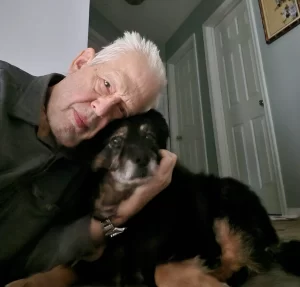
Get Started Today
Monthly giving is one of the most effective ways you can support HSLC. It’s convenient for you—and absolutely life-changing for the animals we serve. Your ongoing support ensures we never have to say no when an animal needs us.
Become a Pet Partner today. Once you click through, simply select your recurring donation amount and set the donation frequency to “monthly”. Your donation will be automatically charged to the credit card of your choice each month until you cancel, and you’ll be part of a compassionate community committed to helping more animals. Thank you for your kind and lifesaving support!
By Uchenna C. Ukeke
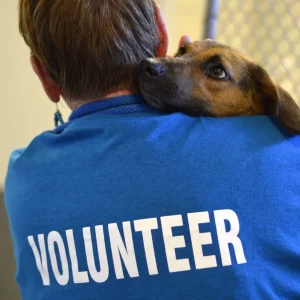
Volunteering is not just a simple act of kindness that benefits the community. It can also benefit you personally and professionally. And the best part? It doesn’t require wealth, fame, or perfection—just willingness. Discover how volunteering can unlock purpose and fuel growth in your life, while also enhancing the lives you touch.
Personal Growth
- Developing Emotional Intelligence: Volunteering exposes you to different perspectives and challenges, helping you develop empathy and resiliency. This increased emotional awareness improves your relationships and boosts your ability to connect and communicate with others in your life.
- Boosting Confidence: Volunteering is a powerful confidence booster. By dedicating your time and efforts to helping others, you gain a deep sense of accomplishment and self-worth. Seeing the direct impact of your work reinforces the value of your contributions, and this recognition enhances your belief in your abilities. Volunteering also helps you build new skills which can also boost your self-esteem.
- Finding Purpose and Fulfilment: By supporting causes that matter to you, like animal rescue, you become part of something greater than yourself. Volunteering provides meaning and fulfilment knowing that your efforts are making a real difference in the lives of others.
- Making Friends: Volunteering is a great way to meet new friends. As a volunteer, you’ll interact with people from diverse backgrounds and yet share a common interest. Some volunteers remain friends for life.
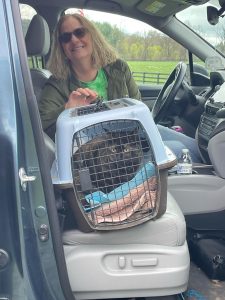
Professional Benefits
- Enhancing Your Resume/CV: Volunteering offers valuable hands-on experience that boosts your career. Whether you are managing a project or running an event, volunteering provides opportunities to refine existing skills and develop new ones, including leadership, teamwork, time management, and problem-solving. This practical experience can help fill gaps in your resume, especially if you’re changing careers, entering the workforce, or looking to climb the corporate ladder.
- Expanding Your Network: Volunteering gives you the opportunity to meet people from various professional backgrounds, whether it’s with fellow volunteers, community leaders, or like-minded professionals. These connections help expand your network and are valuable for both personal and career growth.
- Building Career Credibility: Volunteering demonstrates your commitment, passion, and reliability. It shows that you’re proactive, socially responsible, and willing to contribute beyond your job. These qualities not only benefit the causes you care about but also help your professional growth.
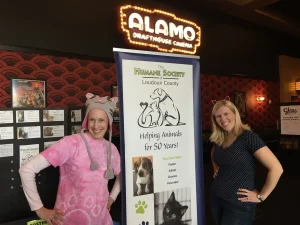
Volunteering with HSLC
Volunteering with the Humane Society of Loudoun County (HSLC) offers you the chance to make a real difference—for animals, for the community, and for yourself. HSLC provides opportunities for meaningful engagement that supports both personal development and community impact.
Ready to find your purpose and grow through giving back? Click here for HSLC’s most pressing needs. If you don’t see something of interest, please complete an application and we will work to find a role that’s right for you!
By Uchenna C. Okeke
Natural disasters like floods, winter storms, hurricanes and tropical storms can be overwhelming. Our companion animals depend entirely on us for protection in times of crisis so we must be prepared to handle the situation before, during and after it occurs. Different disasters pose unique risks, so knowing how to protect your pet in each situation is important. Let’s explore the steps you can take to keep your pet safe.
BEFORE
Know Where to Go Before You Have to Leave
It’s important to have an evacuation plan that includes your pet. Research nearby pet-friendly shelters, hotels, or safe places ahead of time, as not all shelters accept animals. Keep a list of veterinary clinics, animal shelters, or friends who can help if needed. Advance planning helps you act quickly and avoid last-minute stress.
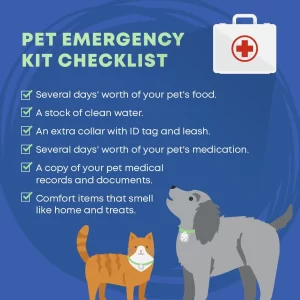
Pack a Pet Emergency Kit
Just as you prepare an emergency kit for yourself, it’s vital to have one for your pet. Your pet’s kit should include:
Ensure Proper Identification
Disasters can separate pets from their owners, making identification vital. Ensure your dog wears a secure collar with an updated ID tag. All pets should be microchipped with your current contact details as this greatly increases the chances of being reunited if you become separated.
DURING
Evacuate Safely
Disaster conditions can worsen quickly, so keep your pet in a secure carrier or on a leash at all times to prevent them from running away in fear. If evacuating by car, ensure they are safely restrained to prevent panic-driven escape attempts.
Keep Your Pet Calm in the Chaos
Pets pick up on human emotions, so staying as calm as possible will help reassure them. If you’re sheltering in place, keep your pet in a safe, enclosed area away from windows, loud noises, and dangerous objects. Provide comfort with familiar items, speak soothingly and avoid sudden movements to help ease their anxiety.
AFTER
After the disaster, your pet may still face health risks like injuries, dehydration, or emotional distress.
Check for injuries
Inspect your pet for cuts, burns, or breathing difficulties. Seek veterinary care if needed.
Provide a stable routine
Keeping their food, sleeping, and play schedules consistent helps them feel secure.
Watch for behavioral changes
Some pets may become anxious or fearful after a traumatic event. Be patient. Pets, like humans, need time to heal after trauma.
Protecting Pets in Specific Situations
Floods
If you live in a flood-prone area, plan evacuation routes in advance. During a flood, keep pets indoors in an elevated, safe space. If evacuating, use a secure carrier or leash and move to higher ground. After the flood, check for mold, toxic chemicals, and sharp debris that could harm your pet.
Winter Storms
Winter storms bring cold, snow, and ice that can harm pets. Keep them indoors in a warm, dry area. If they go outside, limit their time in the cold, wipe their paws, and use a coat or booties if needed. Stock up on food, water, and supplies in case of power outages, and be ready to evacuate if needed. For more information, read 12 Cold Weather Safety Tips.

Hurricanes/Tropical Storms
Strong winds and flying debris pose serious risks. Keep your pet in a secure room, away from windows and unstable furniture. If evacuating, transport them in a sturdy carrier or on a leash. After the storm, inspect the area for hazards before allowing them outside.
Conclusion
Natural disasters can be traumatic for pets as they are for humans. Unlike us, pets don’t understand what’s happening—they simply sense the fear, chaos, and sudden changes. In those critical moments, every second counts and with the right preparation, you can protect yourself and loved ones, including your pet. Always remember that when disaster comes, being ready can make all the difference.
By Uchenna C. Okeke
Many people hesitate to foster because they fear becoming attached. If you’ve ever thought about fostering a rescued animal, this concern may have crossed your mind. But, is this fear of attachment really a reason to hold you back from fostering? What you discover may change your mind forever.
Attachment is Strength
Attachment isn’t a weakness, it’s a strength! It means you’re making an impact. It shows you have the love and compassion to change an animal’s life. Fostering isn’t just about providing food and shelter; it’s about offering love, stability, and care to an animal in need. The bond you form isn’t something to fear, it’s part of the journey.
As dog and cat foster caregiver, Blaire, puts it: “You get attached because you have a big heart. But part of loving them is wanting to see them find THEIR people, and understanding that if you keep them, you can’t help more. Always go into it knowing this is only temporary, ‘goodbye is the goal.’ The peace of knowing they found their forever home really does quell the sadness of letting go.”
Every Goodbye Means Another Life Saved
Letting go is never easy, but it can be deeply rewarding. Each time you foster, you not only help one cat or dog, but you also make space for another animal in need. The beauty of fostering lies in this ongoing cycle of love and rescue.
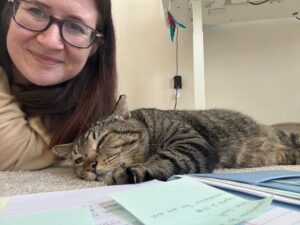
While goodbyes can be tough, remember that your role as a foster parent is key to saving lives. And if you find the perfect match for your family, adoption with HSLC is also an option! Many fosters choose to adopt, and that’s part of the journey, too.
Why Foster?
Fostering is a powerful way to make a difference in the lives of animals. It offers pets love, care, and a secure environment – often something they have never experienced before. By opening your home, you help them build confidence and develop social skills, preparing them for their future forever family.
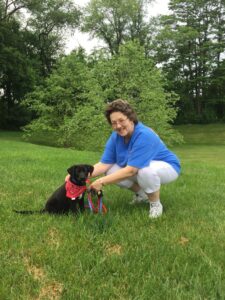
Diane, who has been fostering for 20 years, says: “Fostering allows me to save a homeless dog. Every time I bring one in, I’m not just helping them – I’m also creating space for another dog at the shelter (or rescue). Without fosters, rescues wouldn’t have the ability to take in more animals. That’s the core of why fostering is so vital.”
Diane’s experience highlights how the impacts of fostering far surpass the difficulty of saying goodbye.
Flexible Fostering Options
Fostering can fit into various lifestyles. Whether you can commit long-term or just for a short time, every effort matters. Consider these options:
- Short-term fosters: If you can only foster for a few weeks, you can still make a huge difference.
- Vacation fosters: Providing a temporary home for a dog or cat while another foster is out of town is a great way to test-drive fostering.
- Fospice foster: Giving a senior or terminally ill dog or cat love and comfort in their final months is often seen as a privilege.
Will You Foster?
The Humane Society of Loudoun County is only able to save a handful of dogs in any given year because of a shortage of fosters. And yet, there are so many dogs that are waiting for their second chances. The only thing standing in their way is available foster homes. Will you be their hero?
Contact us at foster@humaneloudoun.org for more information about fostering or visit the HSLC website to learn more and complete a no-obligation application.

By Uchenna C. Okeke
The classic dog vs. cat debate has been going on for ages – but here’s the truth: the best pet for you depends on YOU! Whether you’re a dog enthusiast or a proud cat lover, the perfect pet for you hinges on factors like your personality, living situation, and lifestyle. So, let’s dive in and explore key considerations to help you choose the ideal companion!
Personality Match
Your personality is a key factor when choosing between a dog and a cat. Do you enjoy constant companionship and engaging in social activities, or do you prefer a more independent and low-maintenance pet? Understanding your personality type can guide your decision.
Dogs: If you’re someone who enjoys social bonds and staying active, a dog might be the ideal pet for you. Known for their loyalty and affection, dogs usually love being surrounded by people and often follow their owners wherever they go. If you enjoy outdoor activities, walks, or training your pet, a dog is a perfect companion. Keep in mind that owning a dog requires time for training and socializing.
Cats: If you appreciate a more relaxed pace and prefer a pet that doesn’t require constant attention, a cat might be a better fit. Cats are famously independent creatures. They’re happy to curl up on the couch or perch by the window, giving you space to do your own thing while still offering the comfort of their company. If you value peace, quiet, and minimal effort when it comes to caring for your pet, a cat’s more independent nature might suit your personality perfectly.

Living Conditions
The space you live in is another major factor in choosing between a dog and a cat. While both animals can make wonderful pets, their needs when it comes to space and environment differ significantly.
Dogs: Generally, dogs require more space than cats, especially larger breeds. If you live in a house with a fenced-in backyard, this is ideal for a dog to roam, play, and get the exercise they need. However, even if you live in an apartment, some smaller or low-energy dog breeds can adjust well to indoor living – provided they get regular outdoor walks and exercise.
Cats: Cats are highly adaptable and can thrive in smaller living spaces, making them ideal for apartments or homes without outdoor areas.. Many cats are happy lounging around, playing with toys, or finding a sunny spot to nap. Cats love to climb and perch, so adding stable shelves or cat trees can keep them entertained.

Lifestyle Considerations
Your daily routine and activity level plays a key role in deciding whether a dog or cat is the right pet for you. Pets have varying needs for attention, exercise, and companionship, so it’s important to match your lifestyle with your pet’s requirements.
Dogs: Dogs require regular walks, playtime, and social interaction. If you have a flexible schedule and enjoy outdoor activities, a dog can be the perfect companion for exercise and fun. However, if you travel frequently or have a busy routine, owning a dog might be more challenging unless you have reliable pet care options. Some breeds require more exercise than others, so choosing the right breed for your activity level is essential.
Cats: With their independent and self-sufficient nature, cats are ideal for those who value independence and flexibility. They’re content with being left alone for longer periods, as long as they have food, water and a clean litter box. Unlike dogs, cats don’t need regular walks, making them a great fit for those with a busy schedule or frequent travel commitments. If you’re looking for a low-maintenance companion that still offers affection and comfort, a cat might just be your ideal match.
There are other factors to consider when adopting a pet including your household budget and children in the home. But if you consider your personality, living situation and lifestyle, you’ll be well on your way to finding the right furry companion for your home. The decision is yours!
Visit our adoption page today to find your perfect match!
Also, be sure to check out 5 Ways Fostering or Adopting Benefits Children