
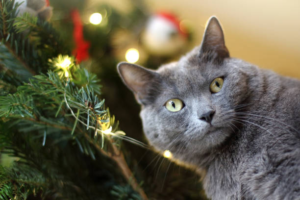
The holidays are a time for kindness, generosity, and community — and this year, you can make a difference for local cats and dogs in need by setting up your very own Giving Tree to benefit the Humane Society of Loudoun County (HSLC).
It’s a fun, festive way to invite your friends, coworkers, customers, or neighbors to give back while helping animals get the care they need to stay healthy, safe, and loved.
🌟 What Is a Giving Tree?
A Giving Tree is a holiday tree decorated with tags or ornaments, each representing a way to help. Instead of gifts for people, the ornaments on an HSLC Giving Tree represent life-changing support for animals in our community — things like pet food, vaccinations, and spay/neuter surgeries.
Each tag includes a QR code or link that directs donors straight to the HSLC donation page (or another donation option set up by the host). It’s easy, fun, and 100% impactful.
🐾 Why It Matters
HSLC doesn’t operate a shelter — our lifesaving work happens through a network of dedicated volunteers and foster homes. Every dollar raised through your Giving Tree helps fund:
- Pet food for families in need
- Spay/neuter programs that reduce pet overpopulation
- Vaccinations that keep animals healthy and ready for adoption
Your Giving Tree can make sure more animals stay in loving homes, more community cats are fixed, and more pets get the medical care they need.
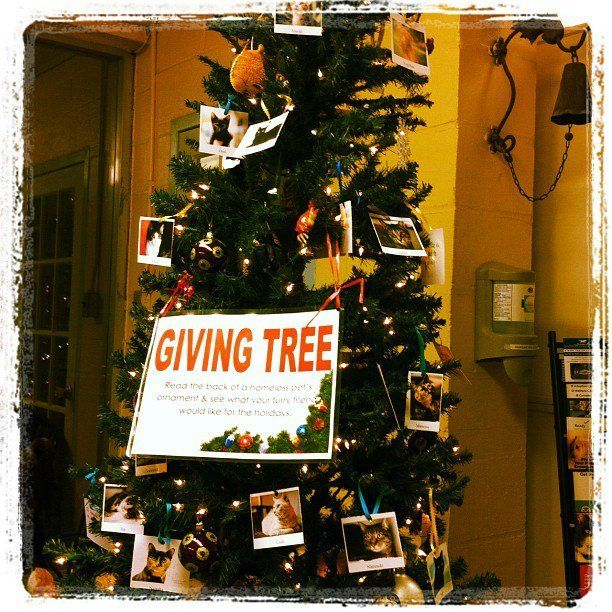
🎁 How to Create Your Own Giving Tree
You can make a Giving Tree anywhere — at home, in your office, school, church, or business! Here’s how:
- Find Your Spot
Pick a visible location for your tree — somewhere people gather or visit regularly. - Decorate with Purpose
Add ornaments or tags that represent specific needs, such as:- $25 for pet food
- $50 for vaccinations
- $100 for a spay/neuter surgery
- Or simply “Donate to Help Local Animals”
- Add QR Codes
Create a simple QR code that links directly to HSLC’s donation page and/or our wish lists (or your personalized fundraiser page). You can use a free QR code generator online. Print and attach the codes to ornaments or gift tags. - Spread the Word
Encourage friends, coworkers, or customers to scan a tag and make a donation.
Share photos of your tree on social media and tag HSLC to inspire others to do the same! - Celebrate the Impact
Every contribution — big or small — adds up to more full food bowls, more healthy pets, and fewer homeless animals in Loudoun County.
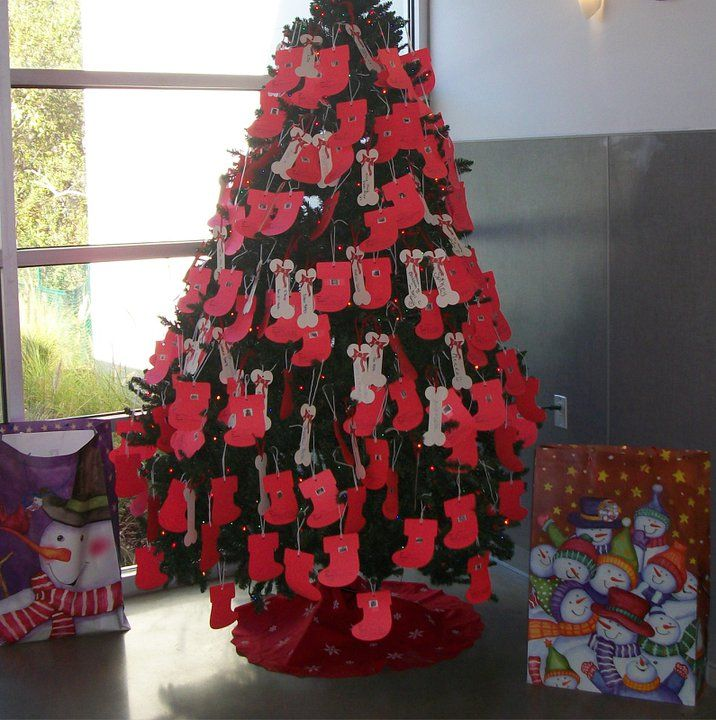
✨ Be the Light for Animals This Holiday Season
When you set up a Giving Tree, you’re not just decorating for the holidays — you’re creating a ripple of kindness that reaches animals and families across Loudoun County.
So grab a tree, print some tags, and start spreading the spirit of giving. Together, we can make this holiday brighter for every tail that wags and every heart that purrs.

IF YOUR PET COULD SPEAK, PART 7
By Uchenna C. Okeke
Time moves differently for our furry friends. One day they’re full of energy, running around the yard, and before you know it, they start moving slower, their fur turns a little gray, and they nap more often. If your pet could speak, at this stage of their life, their voice would sound softer, not weaker, just wiser. They would tell you that their body feels different, that jumping and running aren’t as easy as before. And if you listen closely, their heart would whisper:
“I’m aging, please be patient.”
What Aging Looks Like in Pets
As pets grow older, their bodies and habits start to change. You might notice that your dog or cat sleeps longer, plays less, or takes more time to climb stairs. Their eyes might look cloudy, their hearing might fade, and their joints may ache.
Some older pets become more attached and follow you around, while others prefer quiet spaces. These changes don’t mean they love you less, they just need your love in a gentler way.

How to Care for an Aging Pet
Caring for an older pet takes understanding and small adjustments that make them feel safe and comfortable:
- Offer softer bedding: Soft bedding and warm spots help sore joints.
- Switch to senior pet food: Age-appropriate diets can aid digestion and joint health.
- Exercise gently: Shorter, more frequent walks or low-impact play keeps them active.
- Provide regular vet checkups: Regular checkups help detect health problems early.
- Be patient with accidents or forgetfulness: Let them move, eat, and explore at their own pace
- Keep routines steady: Older pets like knowing what to expect; sudden changes can confuse them.
- Show love daily: Extra cuddles, gentle words, and quiet time together mean the world.
Aging isn’t an illness; it is a natural stage of life, one that calls for understanding, adaptation, and love in gentler forms. So whether you are watching your long-time friend grow older or thinking about opening your heart to a senior pet, remember this: older pets deserve the same warmth, comfort, and second chances as any other.
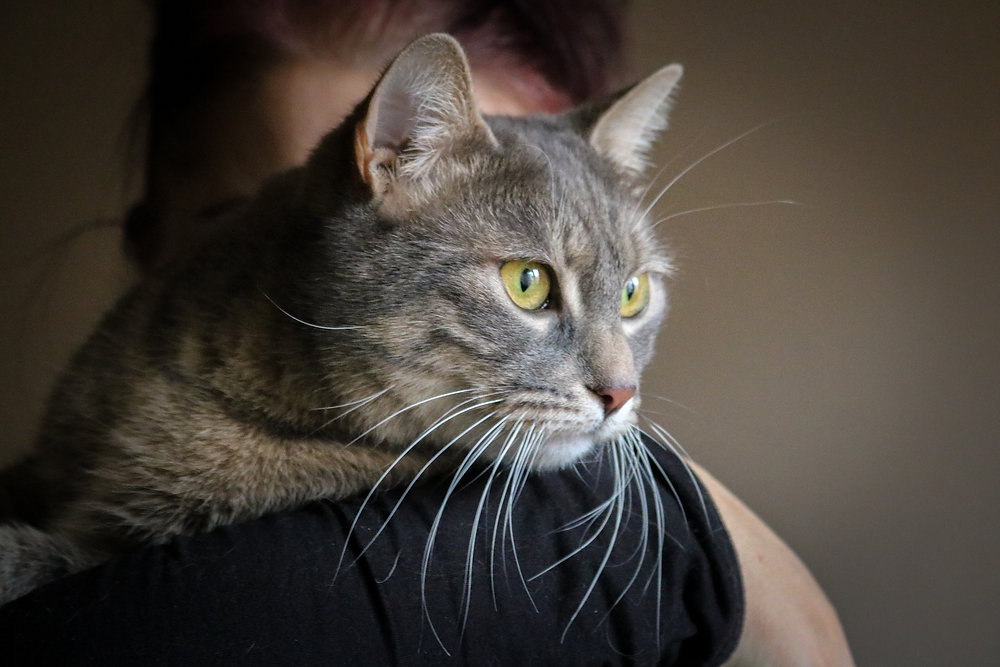
Giving Older Pets a Chance
While many people are drawn to puppies and kittens, older pets are often overlooked during adoption or fostering. But adopting a senior pet isn’t just compassionate, it comes with real, heart-warming benefits:
- They’re calm and gentle: Senior pets are usually well-behaved and love quiet company.
- Their personality is clear: You’ll know exactly what kind of pet you’re bringing home.
- They’re easy to live with: Many are already house-trained and used to people.
- They’re deeply grateful: Older pets seem to know when they’ve been given a second chance and they show gratitude for it every day.
- You make a real difference: Adopting or fostering a senior pet gives them comfort and love in their golden years.
If your pet could speak, they would remind you that love doesn’t age, it simply grows deeper. Each quiet walk, each gentle touch, each look of trust tells a story of shared years and unspoken gratitude. So hold them close, move a little slower, and treasure the time you have together, because love doesn’t grow old, it grows gold.

As the holiday season approaches, the Humane Society of Loudoun County is excited to launch our final 50/50 Online Raffle of the year — this is your chance to end 2025 with a win for yourself while helping animals in need right here in our community.
When you enter, you could take home 50% of the funds raised in cash! The remaining proceeds will go directly toward supporting HSLC’s life-saving mission — helping homeless, at-risk, and vulnerable animals receive the second chances they deserve.
🗓️ Winner Drawn: November 15, 2025, at 7:00 PM at the Village at Leesburg Tree Lighting
💸 The more you give, the more chances you get:
- $10 = 10 entries
- $20 = 25 entries
- $50 = 75 entries
- $100 = 200 entries
This raffle is a fun and impactful way to help cats and dogs this holiday season. Just imagine: a life-saving contribution for pets in need and a chance to walk away with a holiday cash boost! 🎁🐾
👉 Enter now: https://go.rallyup.com/hslcholiday/Campaign/Details
Thank you for being part of our compassionate community. Good luck!
IF YOUR PET COULD SPEAK, PART 6
By Uchenna C. Okeke
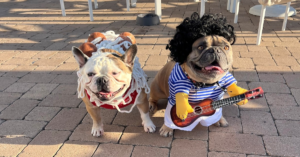
To dress up a companion animal or not is a question that always stirs mixed feelings. While some pet parents may think costumes are adorable, festive, and a way to make their furry friends part of the celebration, others may believe that it is unnatural or stressful, that pets should simply be their beautiful selves. But if your pet could speak, what would they say about this topic? Would they wag and purr in approval or politely beg, “I’ll rock the look, but please let me breathe”?
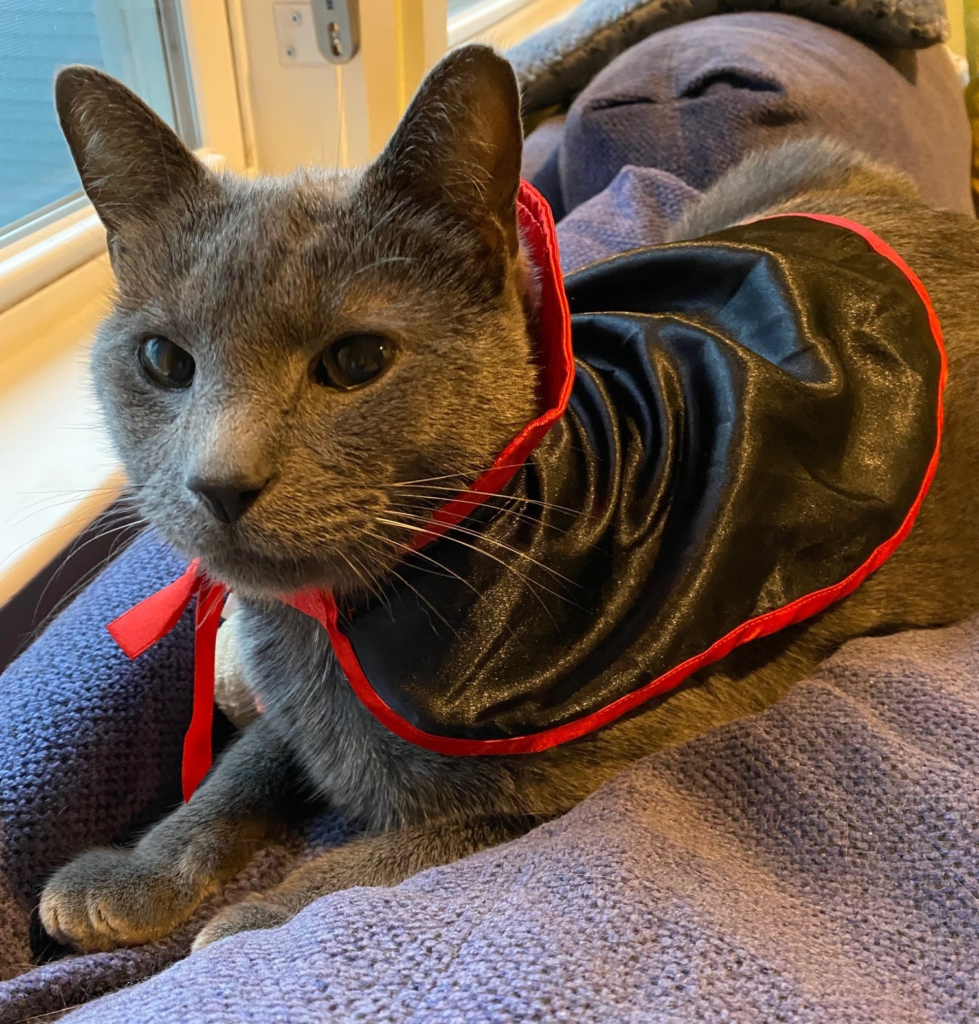
They would likely tell you to weigh the pros and cons carefully, and to make a choice that lets them look good, feel safe, and breathe easy. Because while looking cute may matter to you, comfort and well-being matter even more to them.
The Two Sides of Pet Costumes
Before you reach for that superhero cape or bumblebee costume, take a moment to consider both sides. Let’s break down the pros and cons to help you make a decision that truly puts your pet’s best interests first.
Pros (The Fun Side)
- Costumes can make pets extra adorable and photogenic.
- Dressing up can help confident pets enjoy social attention and interaction.
- When done safely, costumes make holidays more memorable for both humans and animals.
- Comfortable costumes can help pets stay warm in cold weather.
Cons (The Risks)
- Some outfits can restrict breathing, movement, or vision.
- Certain fabrics or materials may cause itching, overheating, or discomfort.
- Costumes can increase stress and anxiety, especially for shy or sensitive pets.
- Small parts or accessories can be chewed, swallowed, or become choking hazards.
- Outfits that block ears, eyes, or whiskers can confuse pets, especially in noisy or crowded environments.
If You Decide to Use a Costume
Here are a few ways to make sure your pet stays comfortable and happy:
- Start small: Try a festive collar or bandana before a full costume.
- Choose breathable fabrics: Soft, lightweight, and non-restrictive materials are best.
- Ensure proper fit: You should be able to slip two fingers between your pet and the costume.
- Avoid small parts: Choose simple, secure outfits without anything your pet could chew or swallow.
- Limit costume time: Dress them up for short periods, under supervision only.
- Check regularly: Never leave your pet unattended in a costume. Watch how they react, move, and behave throughout.

Signs to Watch for If Your Pet is Uncomfortable
Pay close attention to your pet’s body language. If you notice any of these signs, it’s time to take the outfit off immediately:
- Refusal to move or frozen posture
- Pawing or scratching at the costume
- Hiding or trying to escape
- Excessive panting or drooling
- Flattened ears, tucked tail, or widened eyes
- Whining, growling, or sudden aggression
Dressing up pets can be a delightful experience, if done with care, love, and consideration. Some pets may tolerate it and even seem to enjoy the attention. Others may prefer to skip the fashion show entirely. The key is knowing your pet, watching their cues, and remembering that their comfort always comes before your camera roll.
Let fashion be fun and never forced!
By Lauren Puckett
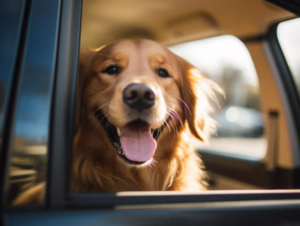
Dr. Christine Rainwater drove her 14-year-old Honda Civic for 240,000 miles before deciding it was time to throw in the towel. As a dog owner and lover, Christine made the choice to donate her vehicle through CARS (Charitable Adult Rides & Services) to benefit the Humane Society of Loudoun County (HSLC).
Now CARS is launching its third annual Cartober campaign. As the name suggests, Cartober is an initiative that promotes vehicle donations for nonprofit organizations throughout the month of October. Donated vehicles are sold through used car markets to provide crucial funding for nonprofits all over the world. All vehicle types are accepted, running or not, and include cars, trucks, trailers, boats, RVs, motorcycles, campers, off-road vehicles, planes, heavy equipment, and farm machinery.
For Christine, donating her vehicle to save animals was an easy decision.
“I would love to adopt more – but the challenge is space (only so much room on the bed). And those pesky family and friends would question my sanity,” she said. “Since I can’t/shouldn’t adopt any more until there is room, I feel strongly about helping through the donation of my vehicle. Could I have sold the car? Yes, because it was in good working order with two new tires. But why go through the hassle when such a great organization with such a great mission could benefit?”
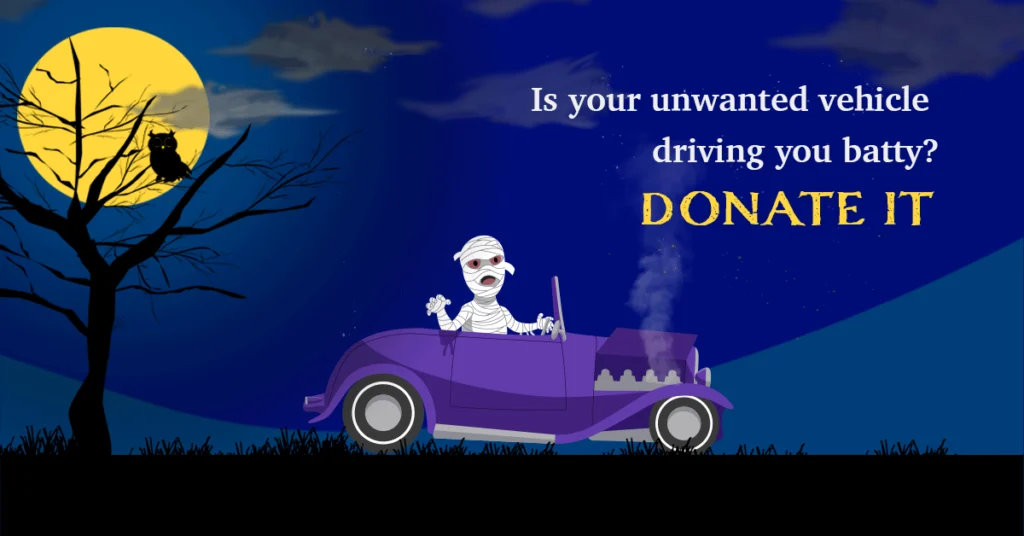
It’s easy to donate through Cartober. Simply fill out an online form, schedule a free and convenient car pick-up (usually within 24-72 hours), and receive a donation receipt. That’s it!
Interested in donating your vehicle to support HSLC? Find more information here.
“Please Help My Friends”
By Uchenna C. Okeke
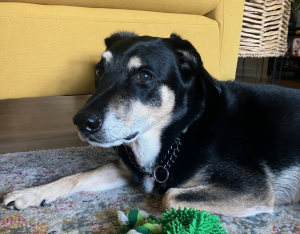
What if your pet’s voice could go further? What if, after showering you with love and gratitude for all you do, they look up with gentle eyes and whisper, “Can you help my friends too?”
For every pet curled up on a warm couch, many others are still waiting – not just to be seen or admired, but to be chosen, taken in, supported and loved.
Why Other Pets Need Our Help
At the Humane Society of Loudoun County (HSLC), every animal taken in carries a story. Some have known fear, hunger, or loneliness. Some were abandoned. Some simply lost their way. Others were born into circumstances that gave them little chance at a good life.
But here’s the truth: these at-risk cats and dogs are not less deserving. They are simply waiting for their chance.
And that chance only comes through people like you. Behind every rescue are everyday people who chose to help. Whether by fostering, adopting, volunteering, or donating, each life saved begins with one act of kindness.
You don’t need to adopt a dozen animals to make a difference. Kindness takes many forms and everyone has something to offer. Ways you can help:
ADOPT
If your heart and home have room, adopting a pet is one of the most meaningful ways to change a life. When you adopt, you’re not just giving an animal a home, you’re opening the door to hope. If you’re considering adoption, HSLC is here to walk with you through the process and help you find the perfect match.
FOSTER
If you’re not ready for a long-term commitment, fostering allows you to be the bridge between homelessness and a forever home for an animal in need. Even a few weeks of your time can give an animal a chance to decompress and prepare for their happily ever after. HSLC offers flexible fostering opportunities, from vacation to emergency placements, so you can make a difference in a way that fits your life.
DONATE
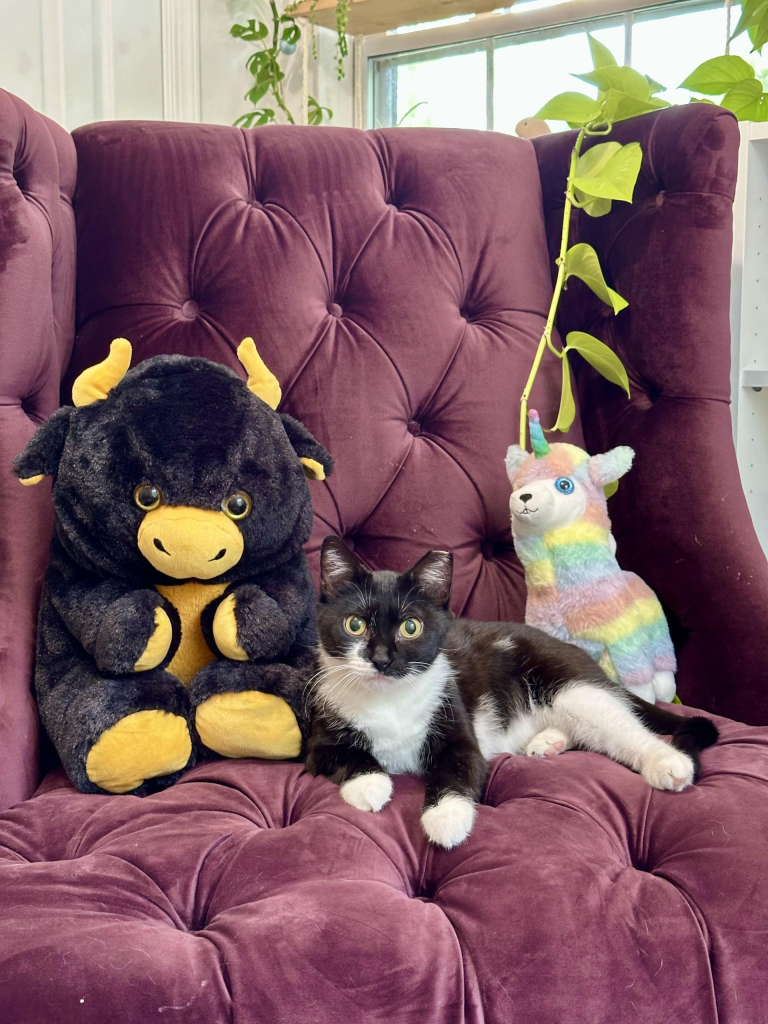
Even if your home is already full, your heart can still give. Donations fuel HSLC’s work, covering everything from medical care to food for families in need. Whether it’s $25 for a microchip or a larger gift to cover veterinary costs, your generosity saves lives. You can also donate items from our wish lists, which directly lower operating costs and stretch resources to reach more animals.
VOLUNTEER
HSLC runs entirely on the passion and dedication of volunteers. That means every adoption, every rescue, every success story has people behind it who gave their time and skills. Animal care is one piece, but HSLC also needs help with events, fundraising, technology, and administration. Whether you’re an animal whisperer or a spreadsheet wizard, your contribution matters.
Every adoption, every act of kindness, every moment spent helping sets change in motion. There are animals waiting – waiting for a warm hand, a safe place to rest, a second chance. And the difference between waiting and belonging could be you.
And if your pet could step in here, this is what they’d probably say:
“I remember when I was waiting too, wondering if someone would ever come for me. There are still my friends out there, scared, hungry, or lonely. Please… help my friends.”
By Lauren Puckett
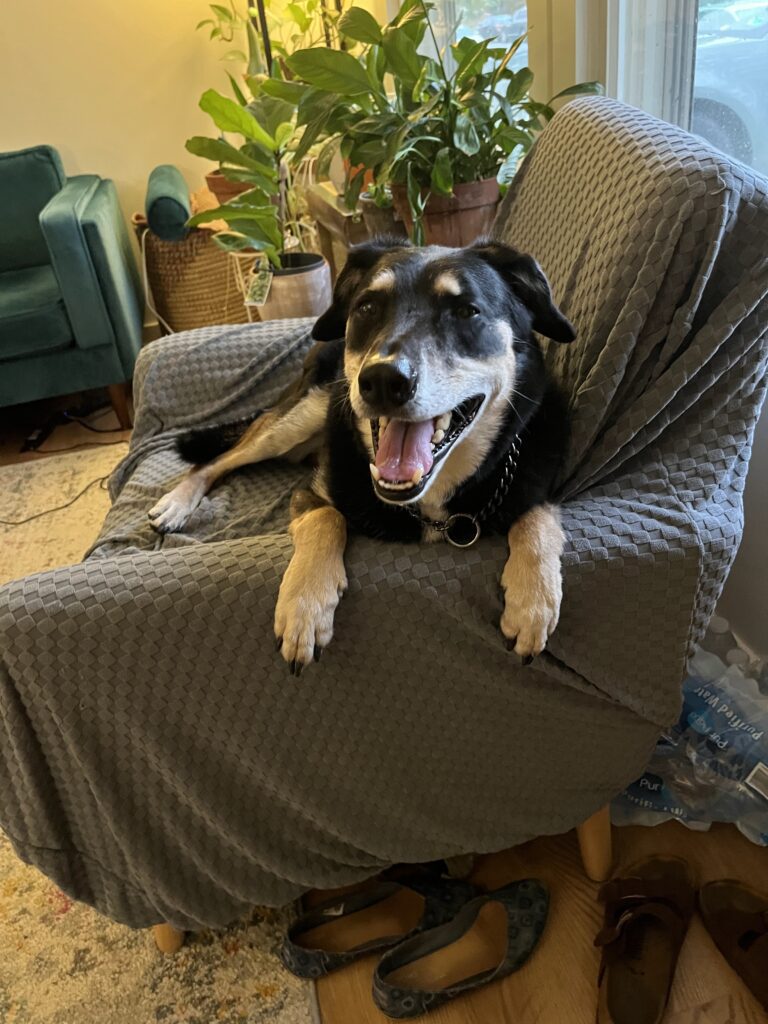
In 2024, Humane Society of Loudoun County (HSLC) volunteers fostered over 200 animals, most of them cats. Though some of these cats were kittens, there were plenty of adult cats who also needed foster families. Kittens are often in demand because they are so cute and cuddly, but adults come with their own benefits. Here are four reasons to foster an adult cat:
Less Demanding of Your Time
Kittens, especially young ones, need regular supervision. They are often underfoot and can cause humans to trip or stumble, potentially injuring all involved. Newborn kittens have stringent feeding requirements and need to be bottle-fed every two to six hours. This can be quite time consuming for the foster family. An adult cat, on the other hand, usually eats kibble on its own schedule.
Little or No Training Needed
While a kitten needs to learn to use its litter box, adult cats are almost always potty-trained and ready to go. This saves valuable time and effort – and messes – for the foster family. Kittens also need curtain climbing and scratch training while adult cats usually do not.
Calmer Temperaments
Kittens can be rambunctious and destructive, while adult cats are generally much more settled. They typically don’t have the same play or exercise requirements as younger cats and are less likely to get themselves into trouble.
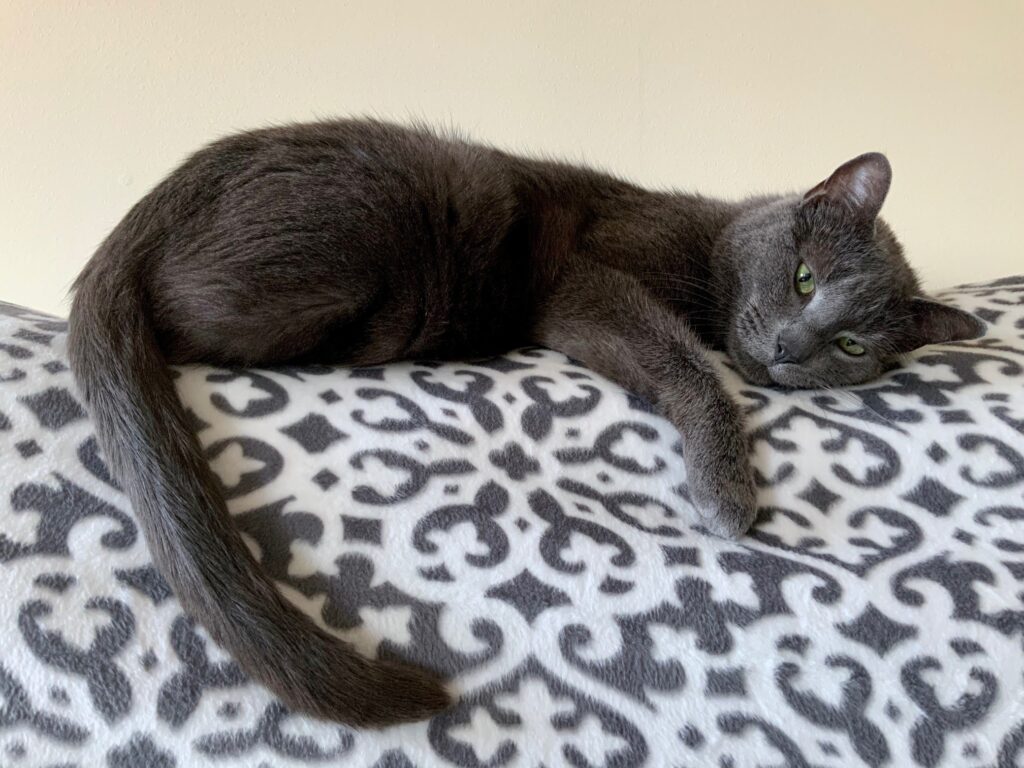
Lifesaving Potential
Finally, there’s something very rewarding about giving an older animal a second chance at a happy life. The cat you foster will be grateful to you for opening your heart and home to them. Because HSLC does not have a physical shelter, we can only save cats when we have a foster home to place them in.
Are you ready to save a life? Learn more about fostering an adult cat on our website and complete a no-obligation application today!
PART 4: The Love Letter They’d Write to You
By Uchenna C. Okeke
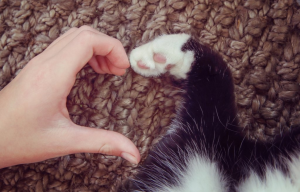
Picture your pet settling down to write a heartfelt letter to you. It likely wouldn’t be grand or clever. It would be simple, warm, and sincere. Every line would drip with gratitude, not just for the food and shelter, but for your presence, your patience, your love.
If your pet could speak, they could sit you down, and read you a letter–a letter made entirely of memories. Memories of love given, love received, and love that has never once wavered; memories you’ve built together, day after day, line after line.
Before the Letter Begins
The truth is you’ve already lived every line of any letter your pet would write. Companion animals don’t need a pen or paper. Their love language is usually on full display – crafted in tail wags, slow blinks, eager barks, and gentle nudges. It’s written in the way they follow you from room to room, or in the sigh they let out when they finally settle at your feet.
Writing the Letter
Imagine their letter taking shape.
- The Salutation: Your pet’s letter would likely begin with “Dear You” or something more tender, like “To the One Who Changed My Life,” or perhaps, “To My Favorite Human.”
- The Introduction: In their opening lines, they would recall the warmth of belonging. For a cat, it might be the day she chose you as “hers.” For a dog, it could be the thrill of bounding into your arms after adoption. The introduction would set the stage with gratitude and might sound like: “I don’t have the words you use, but I feel everything. This is my attempt to tell you what’s in my heart.”
- The Body: They would continue the letter noting meaningful actions and gestures:
- Morning greetings: When they leap onto your bed or tap your hand with a paw, that’s their way of saying, “I’m glad you’re here.”
- During walks and playtime. The excitement in a game of fetch, the joy of sniffing every tree, would be them telling you, “Life is so much richer with you by my side.”
- Quiet evenings: When they rest their head on your lap or settle nearby in silence, would be them whispering: “I feel safe with you. You are my comfort. My world.”
- The Deeper Verses: The letter continues in subtle, powerful verses.” In the cat who curls up beside you when you’re unwell, whispering, “You’re not alone.” In the dog who waits patiently by the door, no matter how long you’re gone saying, “I’ll be here when your return.” In the eyes that search your face, not asking for food or toys, just checking in, asking, “Are you okay? I’m here.”
- The Conclusion: The letter would not end with a big proclamation. Just a steady, quiet expression: “Thank you for everything. I love you more than you’ll ever know.”

The beauty of your pet’s letter is that it’s never finished, never sealed in an envelope. It is rewritten daily, in fresh ink made of glances, paws, wags, and stretches beside you. It is in the wag of a tail when you say their name, in the forgiveness they offer without hesitation, and in the joy that bursts forth when you return.
And if, for a moment, we were to put their heart into human words, their love letter might read like this:
To My Favorite Human
I don’t have the words you use,
but I feel everything.
This is my attempt
to tell you what’s in my heart.
I’m glad you’re here.
Life has so much meaning with you.
I feel safe with you
you are my comfort, my world.
You’re never alone.
I’ll always be here.
I’ll be here even when you are not okay.
Thank you for everything.
I love you more than you’ll ever know.
With love from,
Did you miss Part 1 -3 of this series? No worries! They’re still available here: If Your Pet Could Speak – Part 1: I want to fit in, but please don’t rush me; here: If Your Pet Could Speak – Part 2: I’m FeLV+ but please don’t count me out, and here: If Your Pet Could Speak – Part 3: Keep me safe, but please don’t make it boring.
Move over, Hollywood — there’s a new star in town, and she’s stealing hearts coast to coast.
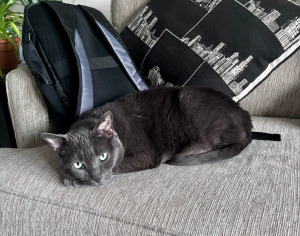
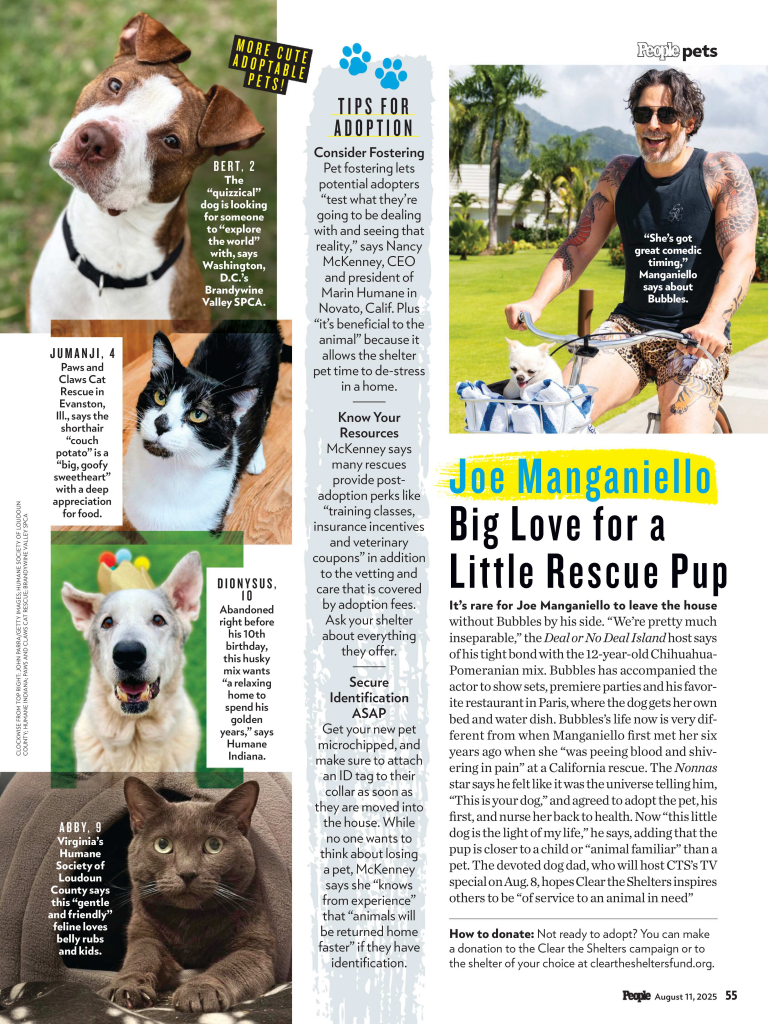
One of the Humane Society of Loudoun County’s very own cats, Abby, has officially become a cele-purr-ty! She was chosen by People magazine to represent the entire DMV region in this year’s Clear The Shelters campaign, and you can spot her in the issue on newsstands now (August 1, 2025)!
We’re beyond proud of this fabulous feline who’s graced our foster homes with her regal presence — and now she’s shining on a national stage.
But here’s the real kicker: Abby is still looking for her forever home. That’s right. This glamorous 9-year-old supermodel is available for adoption. During the month of August, her adoption fee — along with those of all adult and teenage cats — is fully sponsored thanks to the generosity of our supporters.
Get to Know Abby
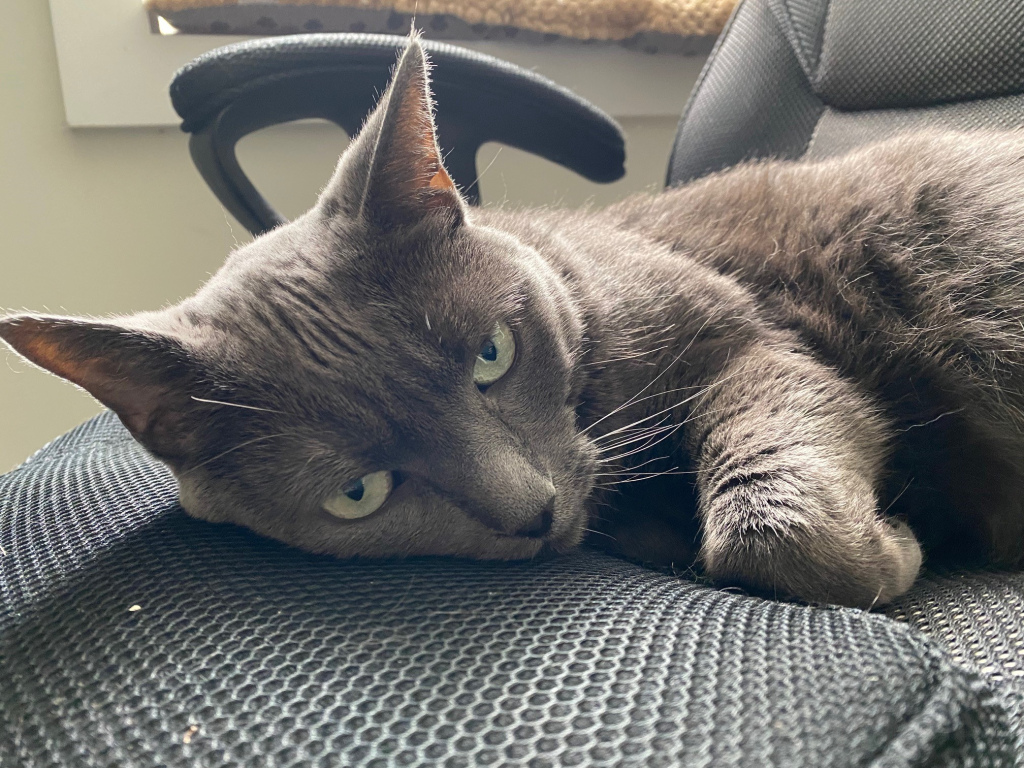
Abby is the definition of a low-maintenance queen. She’s independent, self-assured, and totally content lounging in a cozy hidey-hole, preferably a chic cat cave. She enjoys belly rubs, avoids drama (a.k.a. other cats and dogs), and believes a litter box should be as grand as she is.
She doesn’t chase toys — how undignified! — and she politely requests a seafood-based diet, especially if it includes the occasional tuna treat. “All fish, all the time,” as she likes to say.
Abby may be reserved, but once she trusts you, she’ll let her soft side show. And trust us, her personality is even more beautiful than her silvery gray coat.
Want a Little Star Power in Your Life?
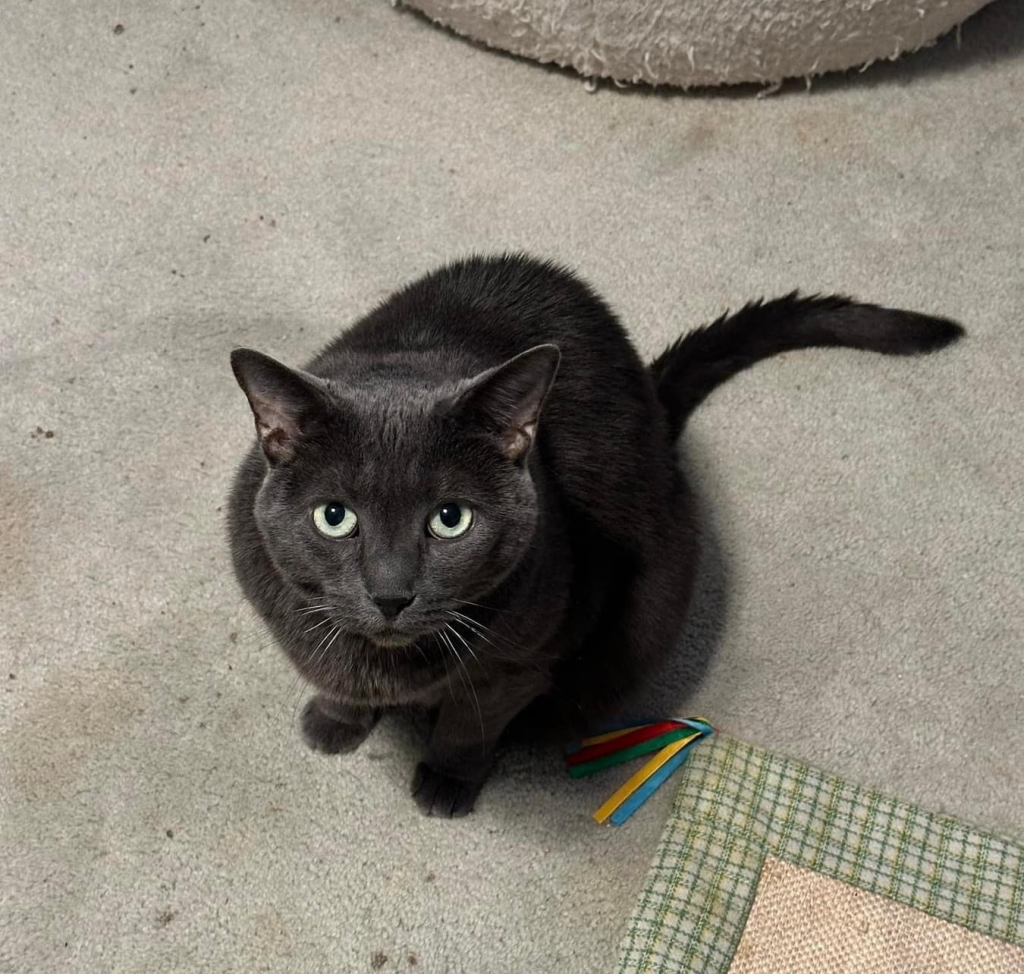
Abby is ready for her next big role: beloved companion. If you’re looking for a chill and charming cat to elevate your home life, look no further. She’s a cover girl with a heart of gold.
And don’t forget — adoption fees are waived for all adult and teenage cats during August. Because everyone deserves a little celeb love in their lives. ✨

PART 3 – Keep Me Safe, But Please Don’t Make it Boring
By Uchenna C. Okeke
While many animals wait for homes at the Humane Society of Loudoun County, others already in loving homes are still waiting—for more than food and safety. They’re waiting to be engaged.
They’re grateful for the warm bed, full food bowl, and your love. But some days, they stare out the window, paw at the curtains, and track shadows like they’re hunting for adventure.
What they might be saying is: “Thank you for keeping me safe… but please, don’t make it boring.”
The Dangers of Boredom
Like people, pets suffer when every day feels the same. Boredom can lead to behavior issues, depression, obesity, and even health problems. That barking, scratching, or chewing may not be mischief—it could be a plea for variety, connection, and purpose.
We saw this with Mindy, a sweet cat whose weight gain was masking a deeper need for stimulation and change. Loving your pet means more than safety—it means helping them live.
Easy Ways to Keep Life Interesting
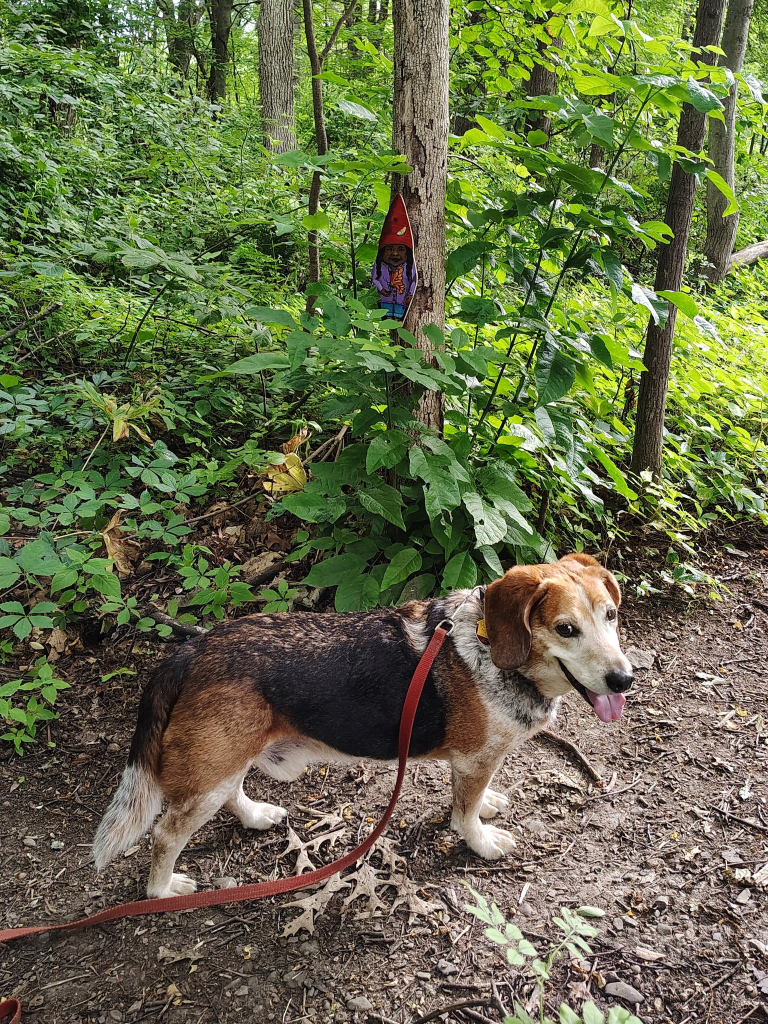
Get Outside (When Safe): Walks, hikes, and backyard play boost both body and mind.
Mix It Up: Change walking routes, introduce new toys, or use puzzle feeders.
Play Together: Games like fetch or trick training build bonds and sharpen minds.
Rotate Toys: Hide them, switch them out weekly, or create DIY puzzles.
Teach New Tricks: Even older pets love learning—and it builds confidence.
Indoor Fun for Cats
- Cat Trees & Perches: Encourage climbing and window-watching.
- Hunting Games: Wand and laser toys plus small balls mimic prey.
- Puzzle Feeders: Make treat time a challenge.
- Clicker Training: Try sit, high-five, or target-touch.
Indoor Fun for Dogs
- Scent Games: Hide treats and let them sniff them out.
- DIY Agility: Use pillows and boxes for obstacle fun.
- Interactive Toys: Squeaky, bouncy, or treat-dispensing toys are great.
- Classic Games: Tug, fetch, and hide-and-seek never get old.
- Trick Training: Try “roll over,” “spin,” or “go find it!”
When you enrich your pet’s world, you enrich your own. Walks get you moving. Play brings joy. Training sparks curiosity. A happy pet makes for a happier home. So today, add something new—a game, a view, a new street to explore. And listen closely—your pet might have even more to say.
Did you miss Part 1 and 2 of this series? No worries! They’re still available here: If Your Pet Could Speak – Part 1 I want to fit in, but please don’t rush me; and here: If Your Pet Could Speak – Part 2: I’m FeLV+ but please don’t count me out.