
Having a Pet Does Not Disqualify You from Fostering
Fostering Myths – Part 4
By Uchenna C. Okeke
Myth 4: I Can’t Foster Because I Already Have Pets
Some people assume fostering isn’t an option if they already have a pet. They may think they need a completely pet-free home or worry their current pet won’t adjust well to another animal.
Fact: Having a Pet at Home Does Not Disqualify You from Fostering
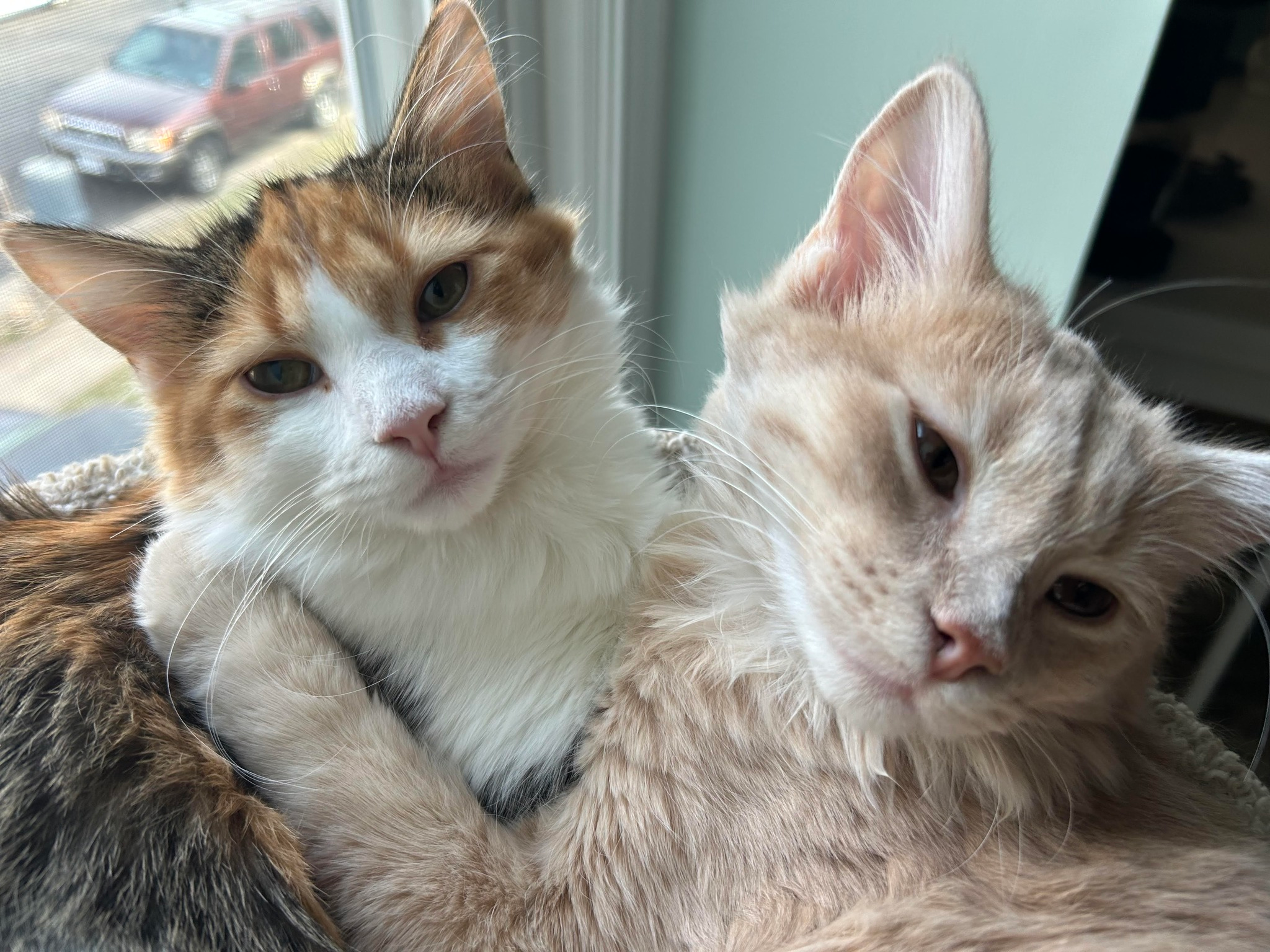
The truth is having a pet at home does not disqualify you from fostering. In fact, many successful foster placements happen in homes with resident pets, and the experience can benefit the foster pet, foster parent and resident pet alike in the following ways:
- Companionship and social stimulation for your pet: Many resident pets enjoy having a temporary companion to interact with, which can reduce boredom, encourage healthy activity, and even ease anxiety for pets that dislike being alone.
- Improved confidence for the foster pet: Positive experiences can help fosters become more social, patient, and comfortable around other animals.
- Emotional fulfilment for the foster parent: There is a unique sense of purpose and satisfaction in helping a foster animal feel safe, loved, and ready for a forever home.
- The opportunity to help without permanent commitment: Fostering allows people to directly save and support at-risk animals, even if adoption is not currently possible for them.
- A more enriching home environment: New routines, interactions, and experiences can bring fresh energy and engagement into the household for both pets and people alike.

How to Make it Work Safely
Every household is different, and successful fostering starts with finding the right fit. HSLC can help match you with a foster animal that works for your home. With a few thoughtful steps, fostering alongside a resident pet can be easier and more rewarding than many people expect. The goal isn’t to force instant friendship between pets, but to create a calm, controlled environment where both pets feel secure and can adjust at their own pace. Here are some suggestions:
- Create separate safe spaces: Give your resident pet and foster animal their own areas for eating, sleeping, and decompressing, especially in the first few days or weeks.
- Start with slow, controlled introductions: Don’t rush face-to-face contact. Allow pets to first get used to each other’s scent and presence in a neutral, calm setting.
- Supervise all early interactions: Keep initial meetings short and closely monitored so you can step in if either pet becomes stressed or overstimulated.
- Maintain your resident pet’s routine: Keep feeding times, walks, and personal attention consistent so your pet continues to feel secure and not overlooked.
- Watch body language closely: Signs of stress like growling, hiding, stiff posture, or excessive pacing should be taken seriously and used to adjust the pace of introductions.
- Communicate with the rescue organization: Be honest about how your pet is reacting. HSLC will help you troubleshoot or even adjust placements if needed.
- Go at the slowest pet’s pace: Progress should always be guided by the more cautious pet, not the more confident one.
Ultimately, having one pet at home should not discourage you from fostering. In many cases, it can create a nurturing and balanced environment where both the foster and resident pet can thrive. With the right preparation, patience, and support, fostering can become a rewarding experience that benefits everyone involved, including you. Learn more about fostering and apply today!