
By Lauren Puckett
For most of us, losing a pet is like losing a member of the family. The sense of loss can be profound. As you go through the stages of grief, here are four ways to help you cope with the loss of your beloved companion.
1. Acknowledge your grief
It’s important to be open to your emotions, rather than ignoring them. Don’t try to “be strong” or push your sad thoughts aside. Rather, allow yourself to cry and acknowledge the loss. Work through your feelings and embrace the memories of your beloved pet. Don’t question your grief or compare it to the experience of losing a friend or relative. The American Veterinary Medical Association explains, “Your grief is normal, and the relationship you shared with your special friend needs to be mourned.”
2. Reach out to others
Seek support from your family and friends, especially those who have lost a pet themselves. You may also want to consult with your doctor or therapist. Additionally, the Humane Society of the United States recommends these resources for coping with the loss of a pet:
- The Pet Compassion Careline, which provides 24/7 support with trained grief counselors
- Lap of Love, which provides grief courses and pet loss support groups
- Everlife Support Groups, a directory of pet loss support groups by state
3. Maintain your routine
During a difficult time, you may not feel like eating or sleeping, but it’s important to take care of yourself. “Letting yourself get run down physically can make you feel worse emotionally,” explains ASPCA Pet Insurance. Maintaining your normal routine will help. If you have other pets, this is especially important for their well-being, too. Make sure to feed and walk them as usual.

4. Memorialize your pet
Do something to remember your pet, such as holding a funeral. HelpGuide.org notes, “A funeral can help you and your family members openly express your feelings. Ignore people who think it’s inappropriate to hold a funeral for a pet, and do what feels right for you.” Other ideas to memorialize your pet include:
- Spread your pet’s ashes or keep them in a special place in your home.
- Incorporate your pet’s ashes into pet cremation jewelry (try Spirit Pieces or Perfect Memorials).
- Plant a tree or shrub in honor of your pet. You can even have a memorial stone engraved and place it at the base.
- Create a memory box with your pet’s collar or favorite things.
- Share photos and memories online via social media or a specialized website (the Association for Pet Loss and Bereavement allows you to create one).
- Write a letter to your pet or the story of your last days together.
For immediate support, contact the Cornell University College of Veterinary Medicine’s Pet Loss Support Hotline at 607-218-7457, Monday through Friday, 6-9 p.m. EST and Saturday and Sunday, 12-9 pm EST.
By Lauren Puckett
Let’s face it, nobody likes going to the vet, least of all cats. Anxious cats can be especially averse to the entire experience, from going into the cat carrier to riding in the car. Plus, indoor cat owners may not see the need to visit the vet because they think their cats are insulated from contagious diseases. But visiting the vet is vitally important to ensuring the health of your feline friend.
Small Door Veterinary explains, “Indoor cats can develop many illnesses and conditions that have nothing to do with the outside world, such as issues with weight, hormone problems, genetic conditions, and tumors, among other maladies, so it’s important for them to see the vet for regular check-ups.”
Here are 8 reasons to take your cat to the vet:
1. Wellness Exams
Did you know that healthy adult cats should visit the vet for wellness exams at least once a year, as recommended by the American Animal Hospital Association? Routine visits help the vet get to know your cat’s normal behaviors and weight. If there are fluctuations in these areas, the vet will be able to treat them early before they become major health issues. Once your cat reaches eight to 10 years old, you should visit the vet every six months.
2. Weight Management
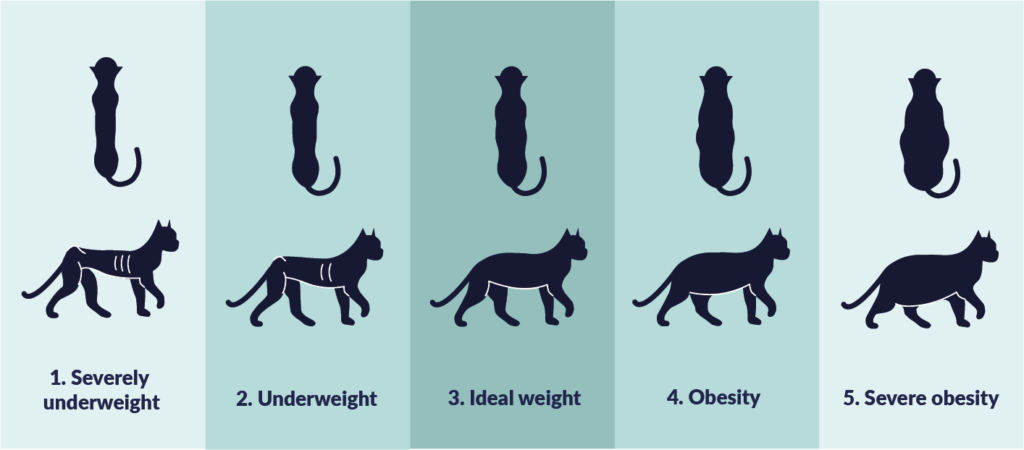
Weight is a particularly important issue for indoor cats because they are often sedentary. The Cornell Feline Health Center notes that 40 percent of cats today fall into the obese category. Even a pound or two can make a difference in an animal as small as a cat. Being overweight makes your cat more susceptible to diabetes, heart disease, and arthritis. With regular visits to the vet, you can track your cat’s weight and detect any gains, then take the necessary action.
3. Vaccinations
As a kitten, your cat should see the vet frequently for vaccines. Once your cat is an adult, he or she will still need core vaccines every one to three years. These include the FVRCP, which protects against three airborne viruses. According to Pet MD, these diseases are widespread, highly contagious, and have the potential to be fatal. Rabies is the second core vaccine and is required by law in Virginia. A third vaccine, FeLV, protects again feline leukemia. It is considered core for kittens and optional for adult cats.
4. Flea and Tick Prevention
Flea and tick prevention should be a regular part of your routine, even for indoor cats. Saliva from fleas can cause severe allergies, dermatitis, anemia, itching, and infection, while tick bites can cause infection, abscesses, paralysis, and even death. Fleas and ticks can also transmit diseases to cats, including Lyme disease and Rocky Mountain Spotted Fever. Pet MD recommends using a monthly combination flea and tick preventative, either topical or oral, on your cat. If you do find an engorged tick on your cat, visit the vet immediately. According to Pet MD, “The ticks need to be removed in full, including all their mouth parts, to ensure there is no further toxin release.”
5. Worming
Regular treatment of cats to prevent or eliminate intestinal worms is important because most infected cats do not show signs of having worms. Worms can cause weight loss, vomiting and diarrhea, irritation around the anus, and failure to thrive. Even worse, they can be passed on to humans. All kittens are treated for roundworms, while tapeworms are more common in adult cats. International Cat Care recommends treating adult cats every one to three months with a product that is effective against both tapeworms and roundworms.
6. Dental Disease
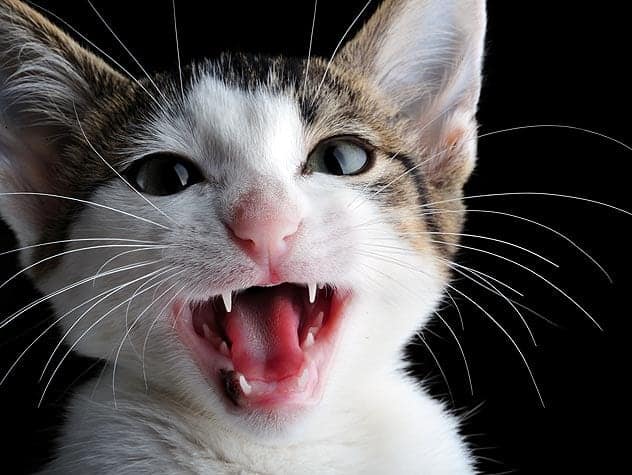
Dental disease is one of the most overlooked issues for cats. According to Small Door Veterinary, “Even with the best of diets, cats can develop a buildup of plaque on their teeth, as well as inflammation of their gums (gingivitis).” Dental disease can impact a cat’s quality of life due to pain and discomfort, and in many cases, causes a cat to stop eating. At routine checkups, your vet will do an oral examination to detect and treat any dental issues.
7. Urinary Tract Problems
Urinary tract problems affect one to three percent of cats each year, according to International Cat Care. Symptoms include the frequent urge to urinate, pain when urinating, blood in the urine, or the inability to pass more than a small amount of urine at a time. These problems are most common in middle-aged cats, neutered cats, overweight cats, cats that get little exercise, cats with little or no access to the outside, and cats that eat a dry diet.
8. Diabetes
Diabetes is a common disease in cats, according to Pet Health Network. It is a chronic condition in which the body either isn’t making enough insulin or isn’t responding to the insulin being produced. Typical symptoms include increased thirst and increased urination, but other symptoms include hunger, weight loss, lethargy, depression, and vomiting. Because these symptoms are similar to other diseases – such as liver or kidney disease, pancreatitis, and hyperthyroidism – it’s important to have your cat thoroughly examined by a vet.
For a list of top veterinarians in Northern Virginia, please visit this directory.
By Liz Bresnahan
Many thanks to our community!
Wicket Door Pub
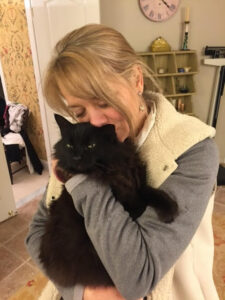
Kristi and Mark Hanlon are co-owners of Wicket Door Pub, a family friendly establishment located in Ashburn. Due to their incredible generosity, the Humane Society of Loudoun County (HSLC) was featured in a full-page Giving Tuesday ad in the Loudoun Times which brought awareness about HSLC’s mission to the community. Kristi has fond memories of her family’s first dog when she was a child and attributes this special bond in helping shape the person she is today. In fact, Kristi has lived with rescued animals her entire life. Similarly, Mark grew up with Shelties and has been able to experience first-hand the love that animals can bring to a family.
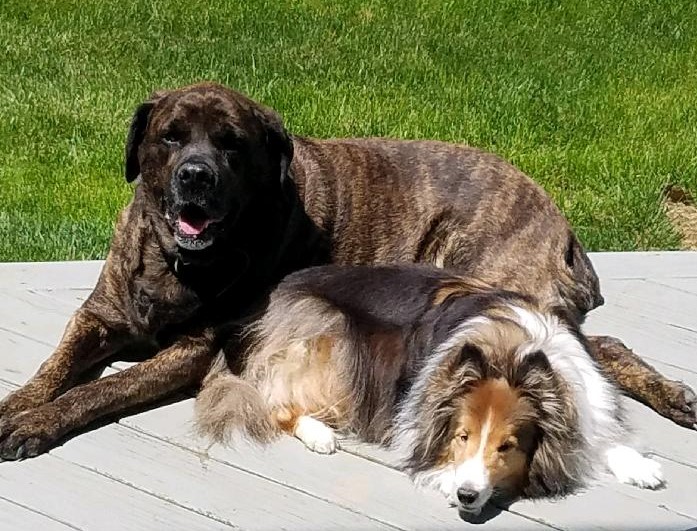
Kristi and Mark currently enjoy the company of their two dogs, Millie and Shay. The husband and wife team supports the efforts of HSLC, sharing that they “appreciate the hard work and time it takes to help lost and abandoned animals.” Next time you are in the area, check out this dog-friendly pub and ask about their menu just for dogs! HSLC is grateful for Wicket Door Pub’s gift certificate donation to this year’s auction.
Monica and Brian Spangler
Another couple who is devoted to helping animals, Monica and Brian Spangler have supported HSLC in a significant way. Monica, who works at Loudoun Cat Care and her husband Brian, a USA Today bestselling author, dedicated their time to supporting rescue organizations, including HSLC, by having a book-signing to help raise money during Robeks grand opening in Leesburg. Described as being a “huge fan” of HSLC’s mission, Monica and Brian have four cats, with Brian affectionately referring to them as his “co writers.”
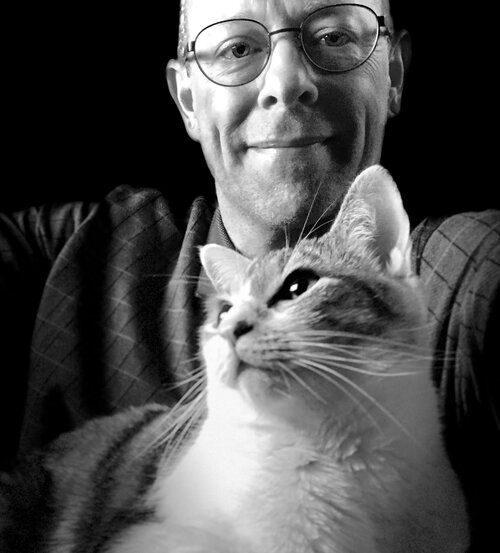
The Spangler’s family of cats consists of two calicos, who often sit with Brian as he is writing, and two senior Bengals that are both 18 years old, and despite their senior status, are extremely playful. Take the time to visit Brian’s website, B.R. Spangler. HSLC thanks him for donating four personally signed books to the auction which are paired with an Amazon gift card.
October One Vineyard
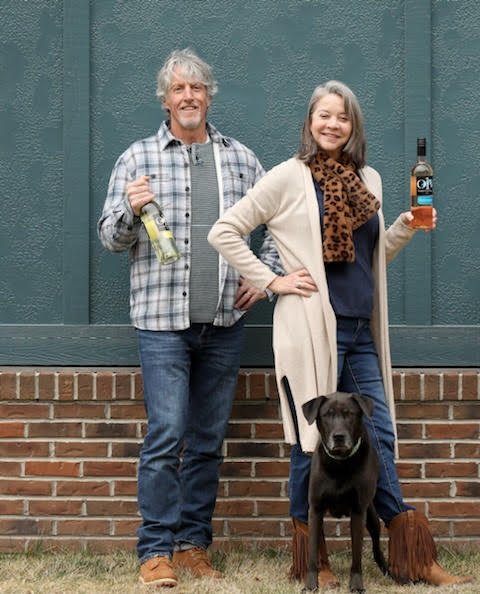
Loree Rupy is a dedicated cat colony caretaker for HSLC and she and her husband, Bob, are owners of October One Vineyard, known as O1V. Their wine tasting shop is located in Downtown Leesburg and they graciously host Yappy Hours in collaboration with HSLC on the last Friday of each month. Their love for animals is evident when you hear the care and detail in which Loree describes their rescued animals: two cats named Pepsi and Rosalita, and their dog, Becca. If you have visited O1V’s website, you likely have seen pictures of Becca as the vineyard’s mascot. While all three of their pets passed away this year within 90 days of one another, Loree and Bob feel comforted in the fact that they were able to live life to the fullest in their care, with each of their pets living to advanced ages. HSLC appreciates O1V’s wine tasting for two in-kind donation to the auction. O1V has been highlighted as a dog friendly business by Leesburg so stop by to say hello and bring your dog with you!
HSLC sincerely thanks all of the individuals and businesses who have donated in-kind products and services to the auction which will help raise much needed funding for the homeless and at-risk animals in our community.
By Theresa Wild
In older generations, the progression of life events was simple: complete school, get married, have children, and live happily ever after. In more recent years, these events happen in different orders, or certain events are skipped altogether. Within this evolution, a common occurrence you can see in adults now is not having children; instead, pets take the place of that role.
There are several reasons for individuals or couples to opt out of having children. Could it be the financial strain that raising children can have on generations that have already struggled through recessions and student loan debt? Or is it due to the personal freedom one has when having pets vs. children? Or maybe it is because they simply do not want to spend their lives caring for children, instead, they may want to spend that time dedicated to their careers, traveling, or living life for themselves.
Whatever their reason may be, the world is seeing an increase in adults seeking other adventures in life outside of parenting children. However, is there still a desire to fill the role of having something to love and care for, while receiving the most unique type of love from a companion animal? According to two different couples who have both fostered for Humane Society of Loudoun County (HSLC), this is the exact path they have taken and it seems to have worked out perfectly for them.
Andi and BJ
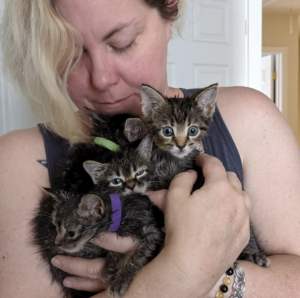
Andi (52) and BJ (42) have been known as a couple who falls in love with the “broken” cats. They foster cats, more specifically ferals that need to be socialized, medical cases that need more specialized care and knowledge, and kittens that could require weeks of bottle feeding. They describe themselves as the crazy cat couple and their house has been deemed “the cat house” on their block. They have taken in cats that were labeled as unsocial, to the extent that the agencies worried about ever finding them a home. With their love and support, some of these “unsocial” cats can now be found on their harness at the local brewery with their mom and dad.

“Mystic was a medical foster – a community cat that had been seriously injured and they had no idea how he was going to handle being indoors with people or being medicated. Turns out, he’s amazing and magical. He is EXTREMELY social, has been clicker and harness trained, formally works as a therapy pet, and helps us raise and socialize orphan kittens.” – Andi & BJ
When I asked Andi & BJ if they ever had plans to have children, their answer was simple: “no and no.” Based on their hobbies alone, it would appear that they enjoy their freedom. They are gamers, brewers, and fans of Star Wars and other sci-fi fantasies.
In their own words, they are “proud nerds.” BJ plays guitar and bass and has been in a few bands, while Andi is a competitive pole dancer. It’s not that Andi and BJ don’t love kids, they have just chosen not to have their own. With 7 cats to care for and their busy social lives, Andi and BJ seem to have a wonderful balance.
Marshal and David
The same can be said for another couple that I spoke to, Marshal (34) and David (37). David is a children’s librarian and has made it his life work to bring stories to life for little ones. Although they don’t foresee children as a part of their future, they enjoy watching their friends’ children grow up.
Even though Marshal and David have chosen not to have children, Oscar Trotsky, their 4-year-old cat, has similar behaviors to what can be found in having a child. Oscar could be categorized as a “foster fail” (or “foster win”, depending on your perspective), after living with them for 3 months as a foster cat and then becoming a part of their forever family. Oscar can often be found napping on Marshal and David’s legs, devouring his wet food, and making occasional Zoom cameos when Marshal works from home.
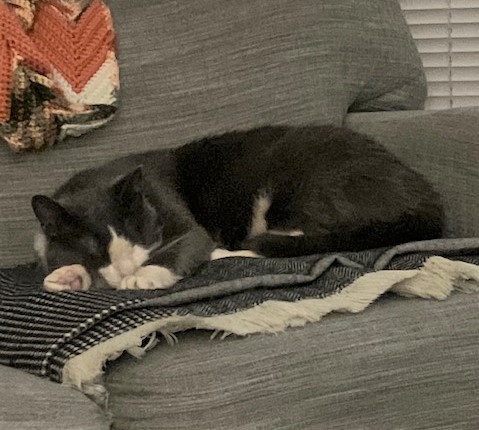
Oscar Enjoying a Good Nap
Although Oscar Trotsky was given his name due to Marshal and David’s love for political science, in their home, he is referred to as “the baby.” In casual conversations, you can hear them ask each other “Did you feed the baby yet?”
Even though they compare Oscar to a baby, they know it is not the same thing. The couple acknowledges that “while both of us know that caring for children takes immeasurably more time and effort (no one puts a bowl of kibble down for their toddler and then walks out the door for a few hours) we do make decisions about the care of Oscar jointly. And while we do not consider him our child, he is one of the highest priorities in our shared lives.”
“Just Do It!”
Both couples have similar paths of not having children, but dedicating their lives to loving their pets unconditionally. If you ask either couple, they have the same advice for anyone considering adding a furry “child” to their lives: “Just do it!” According to David and Marshal, “Pets allow us to express love, and any time we have the opportunity and ability to share love, I believe it makes the world a better place.”
Whether you are considering children, one pet, or even seven, the love of an animal is endless. If you are on the fence about adding a child or a pet to your life – that’s ok! Andi and BJ said it best: “Your local rescue, and of course HSLC, will have the right companion animal for your lifestyle.” Reach out and see what is out there for you. Who knows, you may find your forever baby as well.
By Kathleen Silver
“Community Cats” is a term used to describe outdoor, unowned, free-roaming cats. In this article, you’ll learn why running the HSLC Community Cats program takes a dedicated village of everyday heroes. But first, let’s dispel a few of the misconceptions about community cats and then introduce you to one of those heroes.
“Outdoor cats live horrible lives!”
Accidents, abuse, and disease affect outdoor cats living alone or in groups. But, feral cats are generally not adoptable and simply cannot live inside. HSLC’s Community Cats program improves the lives of these cats in so many ways through trap, neuter, and return (TNR). TNR also serves to humanely stabilize cat populations. In addition, HSLC community cat caretakers ensure that the cat colonies in our care are fed and watered every day; plus they keep an eye out for any health issues.
“I need special skills to help trap cats.”
Volunteers who help manage feral cat communities are genuinely silent heroes. But, they don’t require special skills. Rather, they simply need to be patient and dedicated. It also helps if the volunteers appreciate the outdoors regardless of the season.
“Born a feral cat, always a feral cat.”
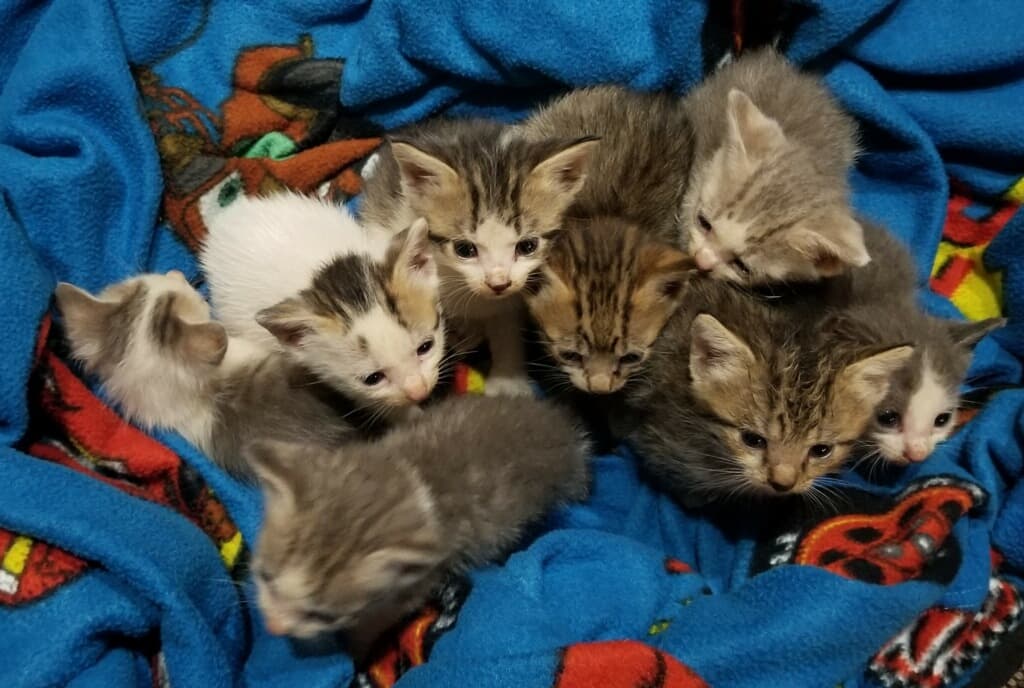
While this is usually true of adult feral cats, it is not necessarily true of kittens. Once a feral cat gives birth, the kittens can usually be socialized and adopted through normal means. There are anecdotal stories of adult cats becoming socialized. But, in most cases, these cats had been socialized before their outdoor life.
Everyday Hero: Dora Lea
Dora Lea Spring-Lucas is one of our Community Cat heroes; in fact, she’s a seasoned veteran. She can attest to the benefits of these bonded cat communities with nearly 30 years of experience helping feral cats. Volunteers like Dora Lea, help to manage over 20 community cat sites in Loudoun County.
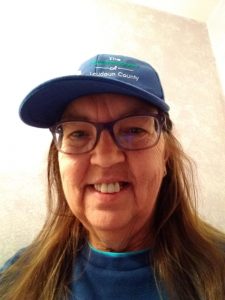
When asked what her biggest challenge is, Dora Lea didn’t have to consider the question too long. “People dropping tame (domesticated) cats. I do feel for people who might be embarrassed about surrendering their cats directly to the Humane Society, but they shouldn’t feel that way. For us to contain these feral colonies, we need to keep the populations down.” If you, or someone you know, adopted from HSLC and are considering surrendering your animal, please contact us at helpanimals@humaneloudoun.org.
Two Ways You Can Help
Community Cat Caretaker looks after a feral cat colony’s health and well-being regularly (e.g. each Monday). The caretaker provides cat food and water and notifies the lead volunteer when a cat is sick. HSLC provides on-site training. If you have an eye for detail, this could be the role for you.
Trapper: Trappers help community cats by catching them in humane traps (provided by HSLC) and helping to get them to our vet partners to be neutered, vaccinated, and microchipped. We provide on-the-job training and shadowing until new trappers are comfortable working independently. Most trappers work in pairs or groups.
Committing to volunteer as a trapper can be time-consuming as there is a lot of waiting around for timid cats and kittens to walk into traps. But, Dora Lea says the satisfaction and reward can be significant. Every trap that closes contains a life filled with less stress, disease, and abuse.
Apply to be an everyday hero today!
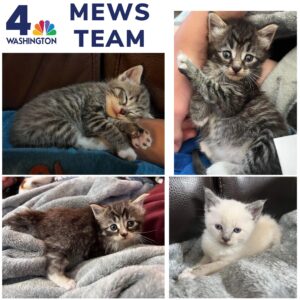
The Humane Society of Loudoun County is hosting an online “Christmas in July” auction to raise money for at-risk animals in the community. News4’s Molette Green shares how you can help. Watch video.
By: Heather Nokes
To foster is to save a life. Foster parents are in charge of the day-to-day care of their foster animal. They teach them what it means to be loved and prepare them to be adopted by their forever family.
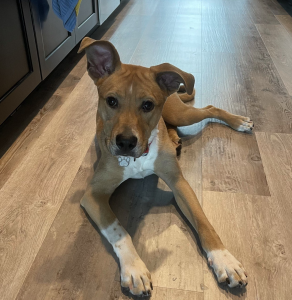
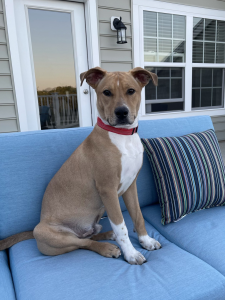
The Humane Society of Loudoun County took in a dog named, Ulysses, who had been transported from Roanoke, VA. Without the help of HSLC and his foster, Sarah, Ulysses may not have gotten the freedom ide he deserved and a second chance at life. Sarah is a new foster for HSLC and gave us a first-hand account of her journey as Ulysses’ foster mom.
How did you hear about HSLC?
“I heard about HSLC when I was searching for volunteer opportunities. I have been around animals my whole life and wanted to reduce the number of animals being euthanized. Specifically, I was looking for an organization close by that I could be a part of. ”
What made you want to foster?
“I wanted to be an active part of helping at-risk dogs and cats. They often come from a stressful environment and need a quiet place to unwind and learn how to be a [companion animal]. They may have been homeless and shuffled around for a long time, and many of them are scared. By fostering, I am being understanding of the [animal’s] previous situation and helping them trust again so they can be successful in a forever home.”
Was it easy to sign up as a Foster with HSLC?
“It was very easy to sign up. I provided references and they did a simple interview and (virtual) home visit with me. For someone experienced with animals, it’s an easy process. HSLC gives plenty of resources and shares vast knowledge with new fosters to help them be successful.”
Tell us about Ulysses!
“Ulysses is a sweet, happy-go-lucky hound mix who adores everyone he meets. He followed me everywhere around the house and yard, loving every bit of attention. As a young dog, he enjoyed the large yard and regular exercise we were able to provide. He also loves to snuggle at the end of the day in bed. He was perfect for watching movies with!”
What was your favorite part about fostering?
“My favorite part of fostering is definitely the bond we create with the animals. They truly appreciate us giving them good food, water, and a soft place to rest their heads. I also really enjoy training them with lots of good treats. Ulysses especially loved when I’d train him using peanut butter as the reward!”
What was your least favorite part?
“My least favorite part is probably the goodbye. You get attached to foster animals, so it is bittersweet when they go to a good home. But, I would definitely foster again! I plan to, for both cats and dogs.”
Is there anything else you would want potential fosters to know?
“One thing I’d want fosters to know is that it takes time for [an animal] to become acclimated in their home. They may cry at night or be shy for the first few days or even weeks. It takes patience to help them adjust to a new lifestyle, but it is so rewarding.”
It is because of Sarah that Ulysses got a happy ending and was adopted! The Humane Society of Loudoun County does not have a facility to house animals and solely relies on its network of caring fosters. If you are thinking of becoming a foster with HSLC or have questions about fostering, you can use this link: https://humaneloudoun.org/programs/foster/ or email foster@humaneloudoun.org.
By Kathleen Silver
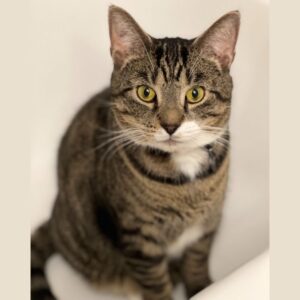
When adopting animals with special needs, our hearts go out to those with obvious physical issues. But, there are also conditions we cannot see, and one of those is Feline Immunodeficiency Virus (FIV). Similar to HIV in humans, FIV can weaken a cat’s immune system making them more vulnerable to other infections.
In North America, 3-5% of cats test positive for FIV. And, like humans, a stigma carries over to FIV+ cats based on misinformation. So, allow us to take a few minutes of your time to bust some of the common myths about FIV and share a couple of positive stories about these special cats.
MYTH #1 – FIV is a death sentence.
Studies in both 2010 and 2022 note that cats with FIV live an average lifespan that is about equal to any indoor cat WITHOUT FIV. Moreover, they can live their entire lives without ever showing symptoms of FIV.
As with any animal, proper care is essential. Cats with FIV should exercise, be fed a proper diet, and visit the veterinarian every six months to stay on top of possible symptoms. FIV+ cats must always be kept indoors to protect other cats and shield FIV+ cats from infectious diseases they might pick up outside.
Some vet offices recommend euthanasia for an FIV+ cat even if the cat is otherwise healthy. However, this is not in accordance with the American Association of Feline Practitioners’ guidelines. If this is your vet’s recommendation, it may make sense to get a second opinion.
MYTH #2 – FIV+ Cats can’t live with other animals.
The primary mode of transmission for FIV is through bite wounds from an infected cat. Households where all cats are fixed, remain indoors, and live peacefully pose little risk of FIV transmission.
Case in point: After doing her research, HSLC volunteer, Eryn M., adopted Sampson — a happy, talkative kitty– into a home with three other cats. “Sammy” loves food, playing with toys and getting attention just like any other kitty. He’s asymptomatic and has been his entire life. Thanks to a proper introduction and vigilant care, no other animal in Eryn’s household was infected with FIV.
It should be noted that FIV can not be transmitted to humans or other animals besides cats.
MYTH #3 – FIV cats have a lower quality of life.
This could not be further from the truth. FIV is an incredibly slow virus – it can take years before it has an impact, if any at all. With a good diet, safe and caring environment, regular vet checks and an indoor-only lifestyle, an FIV cat can live a normal life.
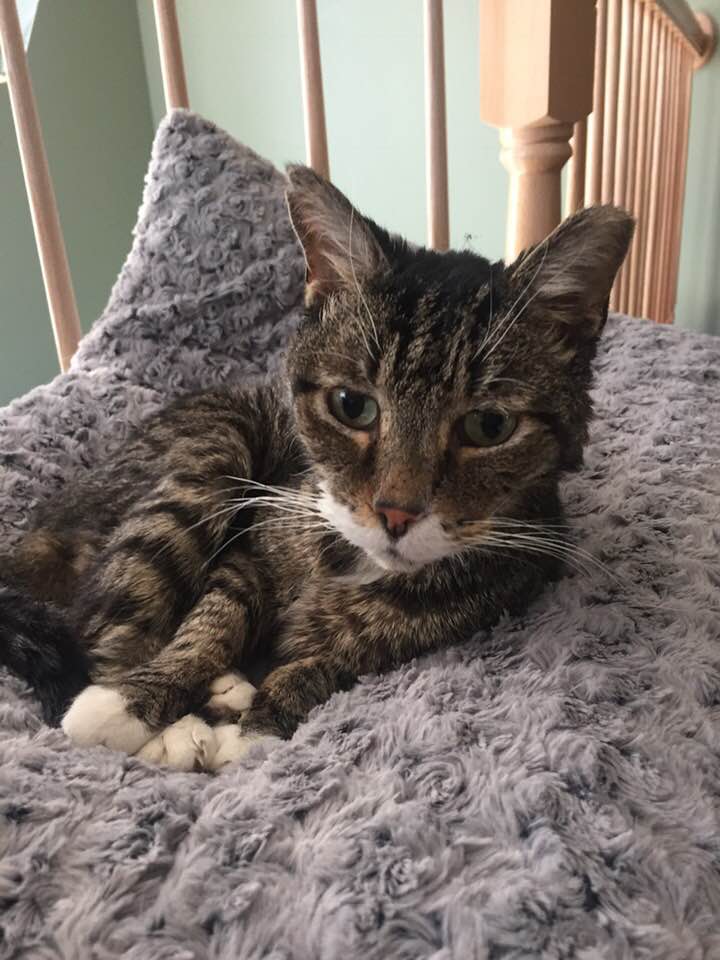
Case in point, Anne S., president of the HSLC board, found a senior “kitizen” who was FIV+ on her street. Likely dumped, Mr. F.C. was in bad shape. He was overweight (“FC” originally stood for “Fat Cat”), covered with mats and had a laceration on his neck. So, when Anne and her husband took Mr. F.C. in, they didn’t expect him to survive much longer. But this tough kitty defied expectations and lived another 4 years before being diagnosed with cancer. Anne refers to Mr. F.C. as her spirit animal and is so thankful for the time they had together.
To learn more about FIV, click here.
By Amy Richards
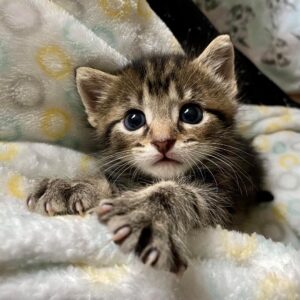
Fostering kittens is an investment.
First and foremost, it is an emotional investment. No one can take in an animal, even a healthy and well-adjusted one, and not get somewhat attached. And, then there is the time investment — from learning how to bottle-feed and dispense medication to socializing the little ones to get them ready for adoption.
But, one of the biggest hurdles rescue organizations face in attracting kitten fosters is the financial investment that is sometimes required of the foster parents themselves. Vet care is traditionally covered and some of the basics may be as well. But there’s always food, litter, toys, supplies, etc. that aren’t always provided as rescues spread out their limited resources across various programs. And, newborn kittens, in particular, need many essential items to keep them safe and secure as they grow into healthy young kittens.
What kittens need
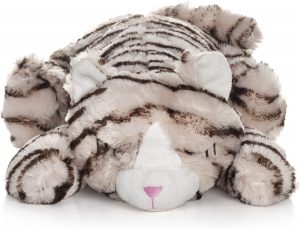
What a kitten needs depends on how tiny they are and where they came from. If they don’t have a mother then they need something to keep them warm until they are approximately four weeks old. A SnuggleSafe (microwavable disc) or pet-safe heating pad are ideal. Regular heating pads can overheat the kittens and don’t work well for transporting them. If they don’t have a momma, a Snuggle Kitty plush works as a soothing stand-in and even has a battery operated heart to make them feel safe in “her” care. They also need soft, snuggly blankets to cover the heat sources and make them cozy and comfortable.
If the animals are dirty or infested with fleas, they will need a bath with kitten safe soap. Either Original Dawn dish soap or Johnson’s Baby Shampoo are preferred. They are gentle enough for use with kittens but will help get rid of any parasites that are bugging them. After bath time, they need to dry off, ideally with cotton washcloths. And for potty time and spot clean ups, fragrance-free baby wipes do the trick.
Now we can discuss the all important mealtime. Kittens can’t drink regular milk; they need Kitten Milk Replacement Formula. The two most commonly used brands are KMR by PegAG and Breeder’s Edge Foster Care. KMR requires refrigeration after opening the container whereas Breeder’s Edge is more shelf-stable. And, just like bottle-fed human babies, they need plenty of bottles and nipples. Miracle Nipples are recommended as they are generally safer and help reduce the chances of a kitten getting formula in their lungs. They also stand up better to wear and tear reducing the chances of a kitten biting a piece of the nipple and swallowing it.
How you can help
You can see how the costs of fostering quickly add up. So, to help reduce the financial burden on our wonderful fosters, HSLC created a Kitten Registry on Amazon.com. If you are able, please visit the registry today and select an item or two. Before checking out, make sure the shipping address is “Amy Richard’s Gift Registry Address”. Because HSLC is a foster-based non-profit organization with no physical shelter, I collect items for the foster caregivers and distribute them from my home.
Thank you for playing a pivotal role in saving the tiniest of lives in our community!
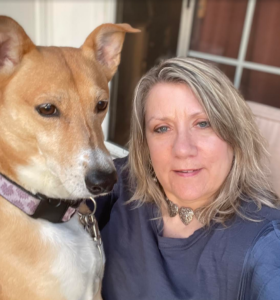
Lisa is an unsung hero. She never draws attention to herself for her consistent and impactful contribution. As a regular event volunteer, she can be relied on to show up ready to play each and every time. Her positivity and desire to help advance the HSLC mission really shine through when interacting with the public. Lisa is also a reliable cat condo volunteer who takes special care of the cats and kitties at the Leesburg Petco on a weekly basis. Lisa is a model volunteer who deserves her day in the sun!