

By Uchenna C. Okeke
Seniors! A companion animal can make an invaluable difference in the quality of your golden years. Whether it’s a playful dog or a calm cat, the bond between seniors and their pets is one that can bring immeasurable benefits. Let’s explore how.
Physical Benefits
As we age, staying physically active becomes increasingly important, but it can also be more challenging. This is where pets come in as powerful motivators to get moving. Research shows that seniors with pets tend to be more physically active than those without. Whether it’s walking a dog or playing with a cat, caring for a pet encourages regular activity which lowers the risk of conditions like arthritis, heart disease, and diabetes. Even for seniors with limited mobility, caring for a pet, like feeding or brushing them, helps maintain flexibility and reduces stiffness.
Emotional Benefits
More than just playful companions, pets can act as emotional anchors in the lives of older adults, providing a steady supply of comfort and security. Pets listen and show affection, helping seniors feel more engaged and less isolated. When a senior feels down, their pet’s affectionate behavior, like a wagging tail or a soft purr, reassures them that they are not alone. This bond helps seniors feel loved and needed, especially for those living by themselves.
Additionally, pets help reduce stress. Petting a dog or hearing a cat purr releases feel-good hormones like oxytocin, which can reduce stress, ease symptoms of depression, and calm nerves. This contributes to the overall well-being of seniors, improving both their emotional and mental health.
Social Benefits
Pets can play a vital role in enhancing seniors’ quality of life by providing opportunities for social interaction. Pets are more than just companions; they help seniors build meaningful relationships with caregivers, veterinarians, and fellow pet owners. A simple walk with a dog can lead to encounters with neighbors or other dog owners, sparking conversations and reducing feelings of isolation.
Pets may also open up new opportunities to engage with other pet owners in the local community at pet festivals, dog parks and by volunteering with a local animal rescue or shelter. These activities promote social engagement, provide mental stimulation, and give seniors a sense of purpose and belonging.
Pets for Every Lifestyle
If you’re considering a pet, choose one that suits your needs. Local rescues like the Humane Society of Loudoun County will work closely with you to find a companion animal that is a “purr-fect” fit like Marilyn and Charlie.
Marilyn lost her elderly cat around the time her husband of 70 years fell ill. When it became obvious that her husband wasn’t going to make it home from the hospital, her daughter, Mari, realized how lonely her mom would be all at once.
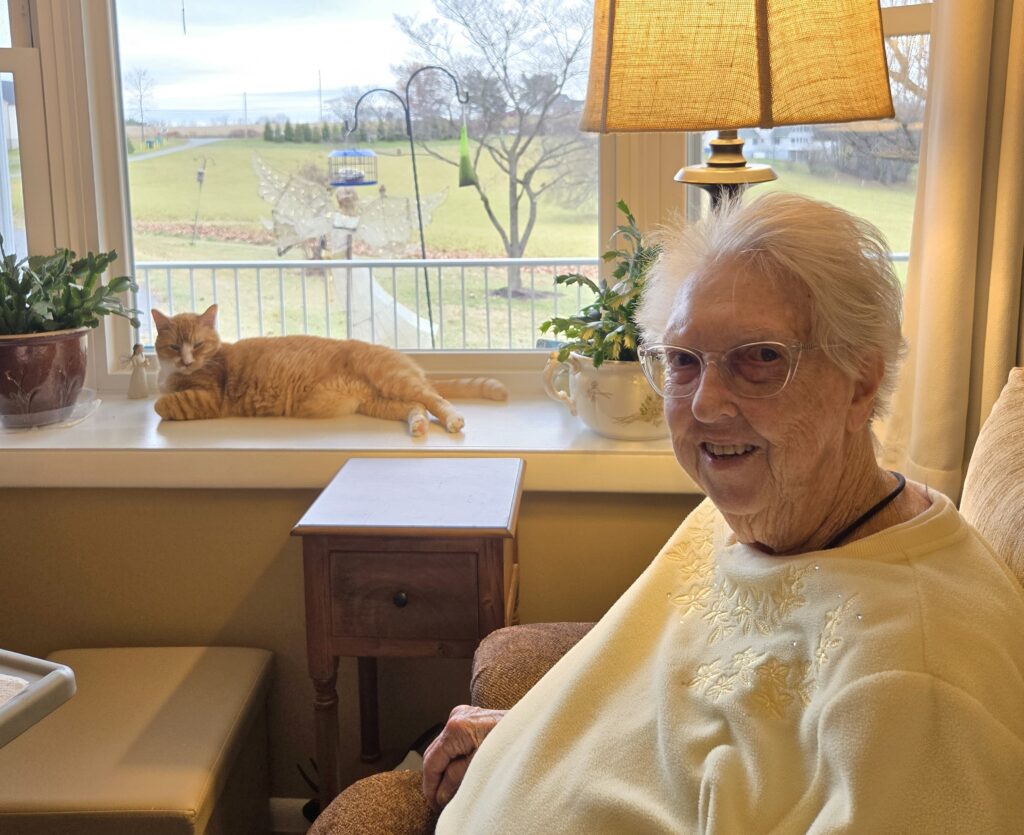
Marilyn is surrounded by many helpers and friends who come and go. But, when she is alone again in the house, Charlie provides her steady comfort and loving companionship.
Final Note
For pet owners of all ages, it is important to have arrangements in place if you are no longer able to care for your companion animal. Animals, like Charlie, that are previously adopted from the Humane Society of Loudoun County will be admitted under any circumstances and no return fee will be required.
The golden years should be filled with love, connection, and purpose. Adding a pet to your household could check all of those boxes. Take a moment now to view our available animals to find your next furry companion!

It’s hard to believe but 2025 is just around the corner. Are you thinking about adopting one or two new animal-friendly habits in the new year? If so, we’re here to help. Below are just a few resolutions to choose from:
1) Keep your pets healthy by giving them regular checkups—at least once a year and keep current with vaccinations.
2) Make dental care a priority through daily brushing and regular professional dental exams and cleanings. As many as 85% of American dogs and cats show signs of dental disease by the age of three.
3) If you haven’t already, spay and neuter your pets. Doing so helps cut down on the number of homeless animals and keeps your pets healthier.
4) Give your pets plenty of attention. Animals left at home alone become bored and lonely. They can become destructive. Provide regular play sessions, walks for dogs, and petting and/or other appropriate interaction for all animals.

5) Go easy on the treats. More than 50% of our nation’s pets are overweight or obese and face a variety of health conditions, including heart disease, diabetes, arthritis, high blood pressure, and cancer.
6) Prepare for disasters—fires, floods, storms, and the like. Have an evacuation plan that includes your animal companions, and prepare a traveling kit to have on hand always.
7) Be a voice for the voiceless and use social media to encourage friends, family and co-workers to save a life by adopting, not shopping.
8) Fostering also saves lives. HSLC provides regular trainings for those who are interested in fostering. Contact us at foster@humaneloudoun.org if you’re interested in fostering or complete a no-obligation application on our website.

By Uchenna C. Okeke
When it comes to our homes, safety is paramount. However, for pets, the definition of safety can be vastly different. What may seem harmless to humans can pose significant risks to companion animals. Pet-proofing is essential to ensure your home is a haven, not a hazard. Here are steps to pet-proofing your home.
STEP 1- Understanding Your Pet’s World
The first step is to observe your pet’s behavior and habits to anticipate potential risks. Pets use their senses to discover hidden dangers. For example, Anne Senft, HSLC Board President, fostered a blind cat that relied on memory and touch to navigate. “We were told not to move any furniture because he would ‘map’ out the basement like a robot vacuum,” she relates. This experience shows the importance of consistency in your pet’s environment.
Before bringing a pet home or making changes to their environment, identify areas where curiosity and instinct may lead them astray. Consider the factors that drive their actions, including their natural instincts to sniff, chew and investigate, and physical abilities that enable them to climb and jump.

STEP 2- Room-by-Room Checklist
Conduct a thorough examination of each room to remove hazards and ensure safety.
- Living Room: Secure wires and cords, move toxic plants out of reach, and anchor heavy furniture to prevent tipping.
- Kitchen: Store food and cleaning supplies safely, block access to countertops and appliances and clean up crumbs and spills promptly.
- Bathroom: Keep toilet paper and towels out of reach, secure bathroom trash cans, and store medications and cosmetics safely.
- Bedrooms: Organize shoes and clothing, store electrical cords and devices and block access to closets and drawers.
STEP 3- Identify Hidden Dangers
Hidden dangers are often-overlooked areas that can pose significant risks to your pet’s safety. These include:
- Electrical outlets
- Toxic substances
- Choking hazards
- Fall risks

STEP 4- Assess Pet-Specific Needs
Consider your pet’s unique characteristics, such as age, size, breed, and abilities, to tailor your pet-proofing strategy. For example:
- As noted above, blind pets require consistent furniture arrangements to help them navigate through memory and touch.
- Senior pets need easy access to essentials like food, water, litter, and favorite resting spots to accommodate their reduced mobility and potential health issues.
- Puppies need to have secure environments, including blocked off areas and secured toxic substances which will help to protect their curiosity-driven nature and rapid growth.
- Small pets require secure enclosures and protected electrical wires to prevent escape and electrical shock.
- Large pets need reinforced furniture and secured heavy objects to prevent accidents and damage.
- Pets with medical conditions may need adaptations to accommodate specific health needs, such as easy-to-clean surfaces for pets with allergies.
STEP 5- Creating a Pet-Friendly Home
Creating a pet-friendly environment enhances overall well-being. Consider:
- Designating pet zones for rest and relaxation. Create cozy areas where your pet can retreat for calm and rejuvenation. This helps reduce stress and provides a sense of security.
- Choosing durable, easy-to-clean surfaces. Select durable, easy-to-clean surfaces. Hardwood, tile, waterproof furniture, and washable walls make cleaning easy, keeping your home and pet healthy.
- Supervising and interacting with your pet. Spend quality time with your pet through play, exercise, and mental stimulation. This strengthens your bond, promoting a happy and healthy pet.
Remember pet-proofing is not just about removing dangers; it is also about creating an environment that promotes well-being. Ensure your furry friends’ safety and well-being today!
Ready to take the next steps? Visit the Humane Society of Loudon County (HSLC) to check out available animals for adoption and access valuable resources and tips.

By Kathleen Silver
(Updated 2024)
So far this year, the Humane Society of Loudoun County (HSLC) has adopted out nearly 150 dogs and cats and trapped over 115 community cats to have them fixed, vaccinated and chipped. This life-saving work is only made possible thanks to the support of caring individuals like you!
HSLC is an all-volunteer, non-profit organization committed to rescuing and caring for as many homeless and at-risk animals as possible. But, since each foster animal in our care costs an average of $1,000*, we are limited to the number of animals we can take in. Most of our donations are applied to veterinary costs to prepare an animal for their forever home.
Your Donations in Action
Did you know that with a donation of only $25, we can treat an animal for fleas and deworm her? A $50 gift will provide needed vaccinations or pet food kits for five struggling families.
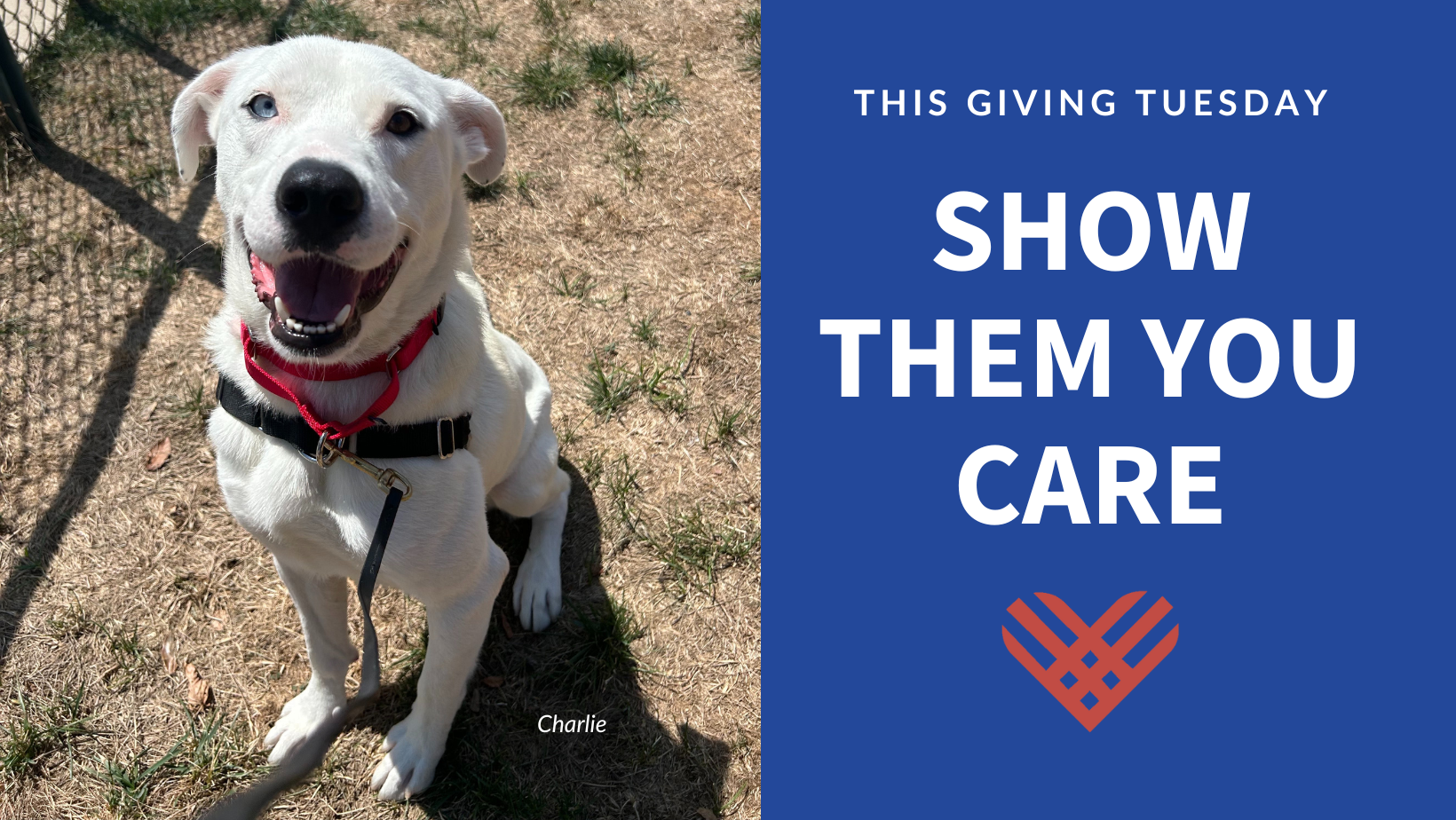
Perhaps you’ve been following a particular companion animal we are helping but cannot adopt yourself. HSLC also has a Guardian Angel program that allows you to sponsor that animal’s adoption fee ($150 for a cat and $300 for a dog), increasing their chances of being adopted. Adoption sponsorships help to defray the cost of care while an animal is in our foster network. And, if you don’t have your heart set on a particular animal, HSLC can easily choose a pet for you that needs the most help.
HSLC is a foster-based animal rescue that does not operate a shelter and therefore does not incur the expenses associated with running a facility.
Animals are Counting on You
With economic conditions being difficult this year, we know that money might be tighter than normal. But the calls to help our furry friends never stop. You can assist us in getting the push we need to help more animals in the new year.
There are many ways you can donate to HSLC. You can make a one-time donation or start a monthly donation online. Note that you can make your gift in honor or memory of a loved one. Or you can donate from your donor-advised fund — an increasingly popular way to express your support for the causes that mean most to you. Thank you for making a life-saving difference!
You may also like 4 Tax-Savvy Ways to Support HSLC Before Year-End.
*2022 figure; reflects discounts from our wonderful vet partners

By Uchenna C. Okeke
Are you feeling stuck in a routine? Want to add some excitement to your daily life? As the saying goes, “variety is the spice of life,” and what better way to mix things up than with a furry friend by your side? Whether you’re a seasoned pet owner or considering bringing home your first companion, adopting a pet can transform your life in amazing ways. From cuddly moments on the couch to adventurous walks around the block, pets have a way of making every day brighter.
Adopting a pet can bring excitement, joy, and a fresh perspective to your life. So, if you’re ready to liven things up, let’s dive in!
Social Life
Adopting a pet can significantly spice up your social life. By frequenting pet-friendly venues such as dog parks, attending outdoor festivals, and joining pet owner groups, you’ll meet like-minded people who share your passion for animals. These social interactions can lead to lasting friendships, a sense of belonging, and a more vibrant social life. Just be sure to start slow, and ensure that your companion animal feels comfortable in these different settings.
Emotional Wellbeing
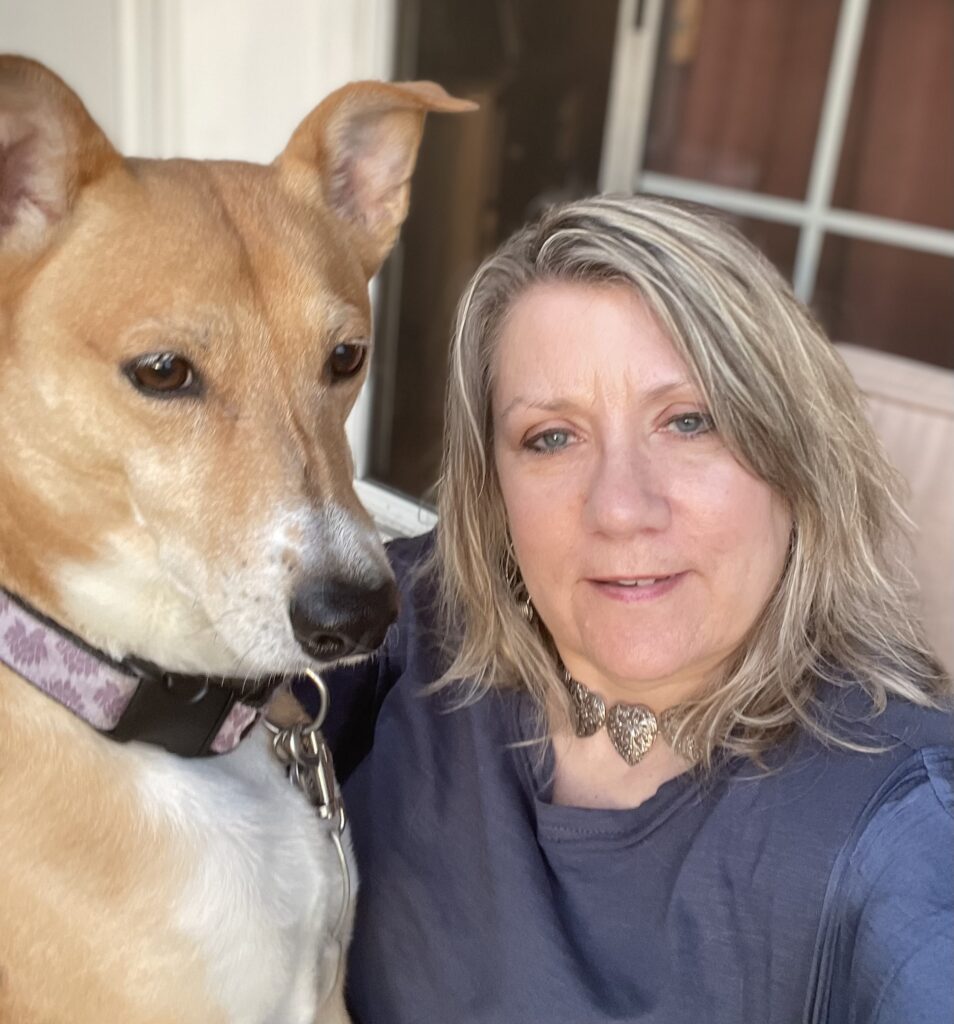
Pet adoption can greatly impact emotional wellbeing. As a pet owner, you can experience love and affection from your new companion, which can boost self-esteem and confidence. Pet therapy also reduces stress and anxiety, promoting relaxation and calmness. Moreover, caring for a pet develops emotional intelligence and empathy which are essential life skills. By forming a deep bond with your pet, you’ll discover a sense of companionship and emotional support.
Lifestyle Changes
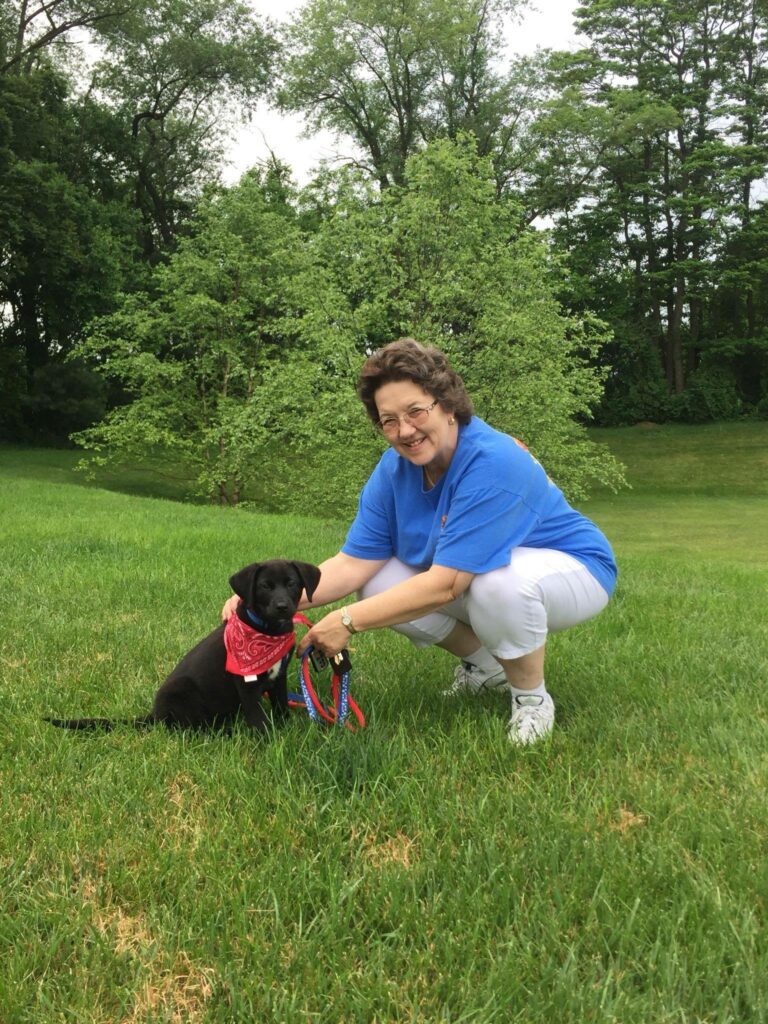
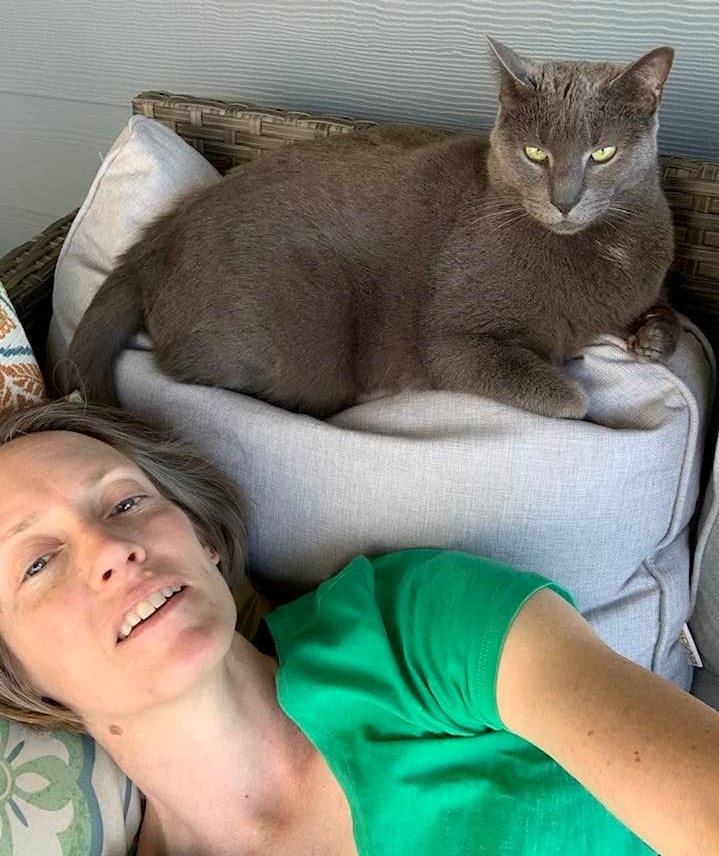
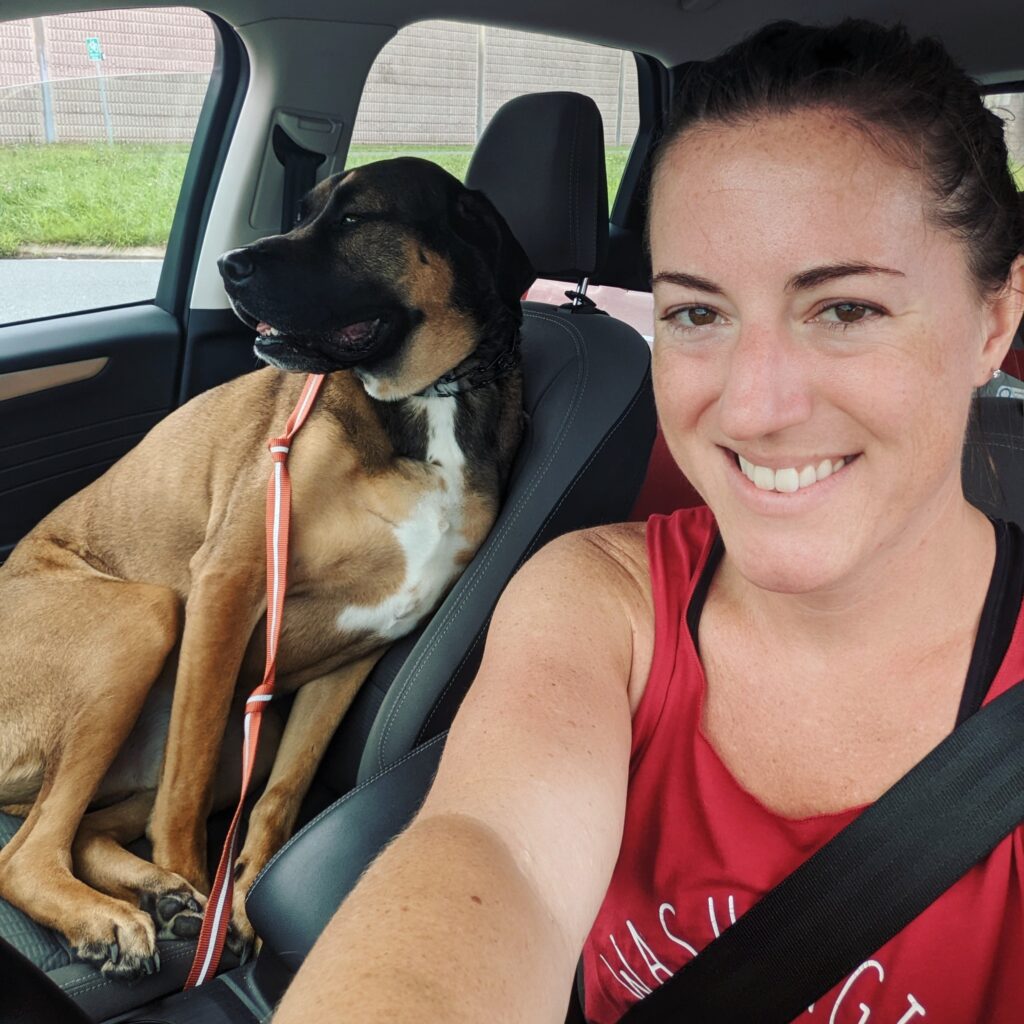
Adopting a pet may introduce exciting lifestyle changes. You might explore new outdoor activities, such as hiking, walking, or jogging with your furry friend. Discovering pet-friendly travel destinations opens up new vacation possibilities. Furthermore, caring for a pet creates a sense of purpose and responsibility, adding structure and meaning to your daily routine. Your pet will encourage you to lead a more active, engaged, and fulfilling life.
Personal Growth
Pet adoption fosters remarkable personal growth. Developing patience and compassion through pet care helps you become a more empathetic person. Learning about animal behavior may enhance your understanding of wildlife and nature. Moreover, the experience improves self-esteem and confidence, as you find fulfilment in the responsibilities and joys of pet parenthood.
Surprises and Laughter
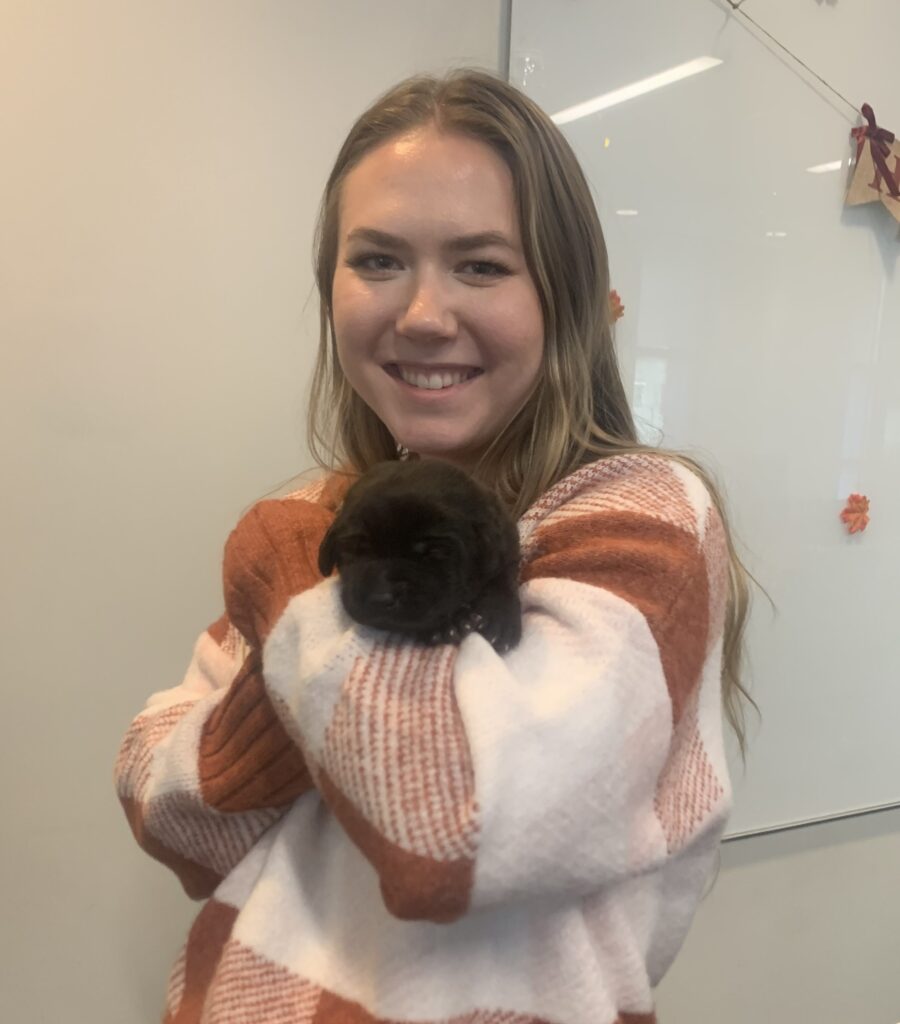
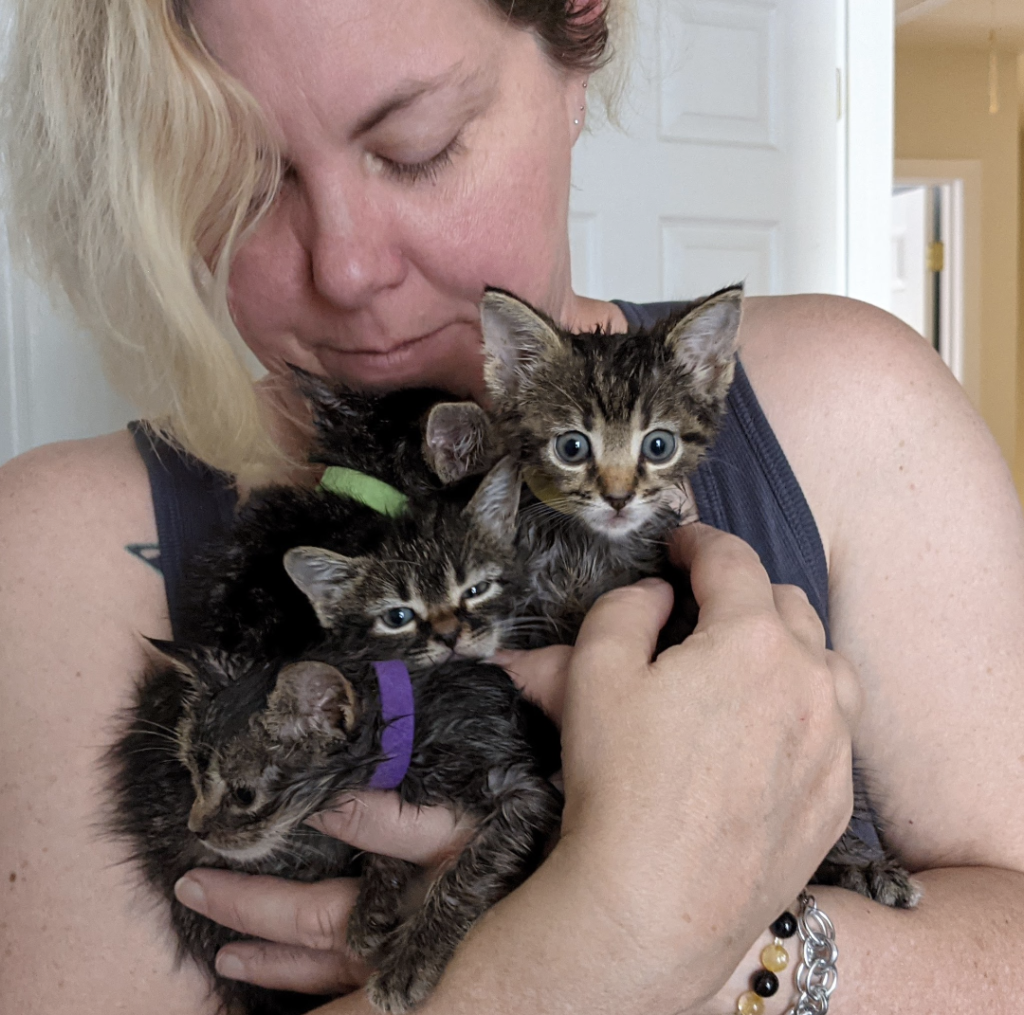
Pet ownership is full of delightful surprises and laughter. Witnessing hilarious pet antics, from playful mishaps to adorable quirks, brings endless entertainment. You can experience unexpected moments of joy, like spontaneous cuddles or mischievous moves. By capturing these heart-warming times through photos and videos, you’ll create lasting memories that become a treasured hobby. These sweet moments enrich your life, filling it with happiness and contentment.
Health Benefits
The health benefits of pet adoption are numerous. Studies show that pet owners have lower blood pressure and cholesterol levels. New pet owners often find themselves losing weight due to the increased physical activity that comes with caring for a new active pet, leading to fitness. Moreover, improved mental health and wellbeing stem from the emotional support and companionship your pet provides.
Conclusion
Pet adoption offers countless benefits, from improved mental and physical health to social connections and emotional growth. By welcoming a furry friend into your life, you’ll experience unconditional love, companionship, and joy. Pet adoption not only changes the life of the animal but also yours. It is a life-enriching experience that brings laughter, excitement, and purpose. So, adopt a pet, spice up your life, and discover a lifelong companion!
Ready to spice up your life through pet adoption? Explore our available adult animals for adoption and let HSLC’s dedicated team help you find the right animal.
Photos: HSLC’s Community Engagement Committee
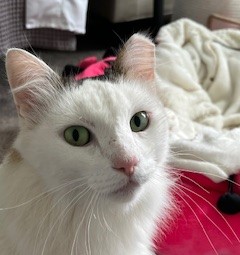
In the heart of South Riding, an adventurous cat named Fluffy illustrates the lengths we go to for our furry friends.
Fluffy wasn’t just a cat; he was a beloved member of the neighborhood. Linda and Scott, his devoted caregivers, had worked diligently to earn his trust over the years. They began their journey back in 2019 when Linda first contacted the Humane Society of Loudoun County (HSLC) for TNR assistance with community cats. Fluffy, one of the many cats they fed, eventually became a regular visitor in their home, enjoying meals, grooming sessions, and the warmth of their hospitality.
But as life often does, change was on the horizon. In June 2024, the couple planned a move to North Carolina, and naturally, they wanted Fluffy to come with them. However, Fluffy had other ideas. When it was time to move, he vanished.
The Search for Fluffy
Desperate to find their beloved companion, Linda reached out to HSLC for help. She was worried—despite keeping in touch with the new homeowners, there had been no sightings of Fluffy.
Tracy, HSLC’s Director of Animal Operations noted, “Once I reached out to rookie trapper extraordinaire Sara Sweet, she jumped into action, posting flyers and setting up a feeding station at Fluffy’s old house.”
Thanks to the collective efforts of the neighbors, Fluffy’s whereabouts began to emerge. Community members reported sightings, and Sara meticulously tracked Fluffy’s movements, even noting his daring crossings of a busy four-lane road.
After three and a half long months of searching, Sara finally established a consistent feeding routine that led her to successfully trap Fluffy late one night. His savvy nature made it challenging, but with patience and perseverance, Fluffy was finally caught.
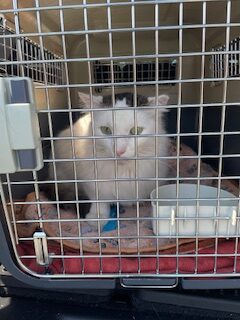
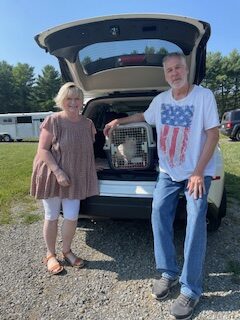
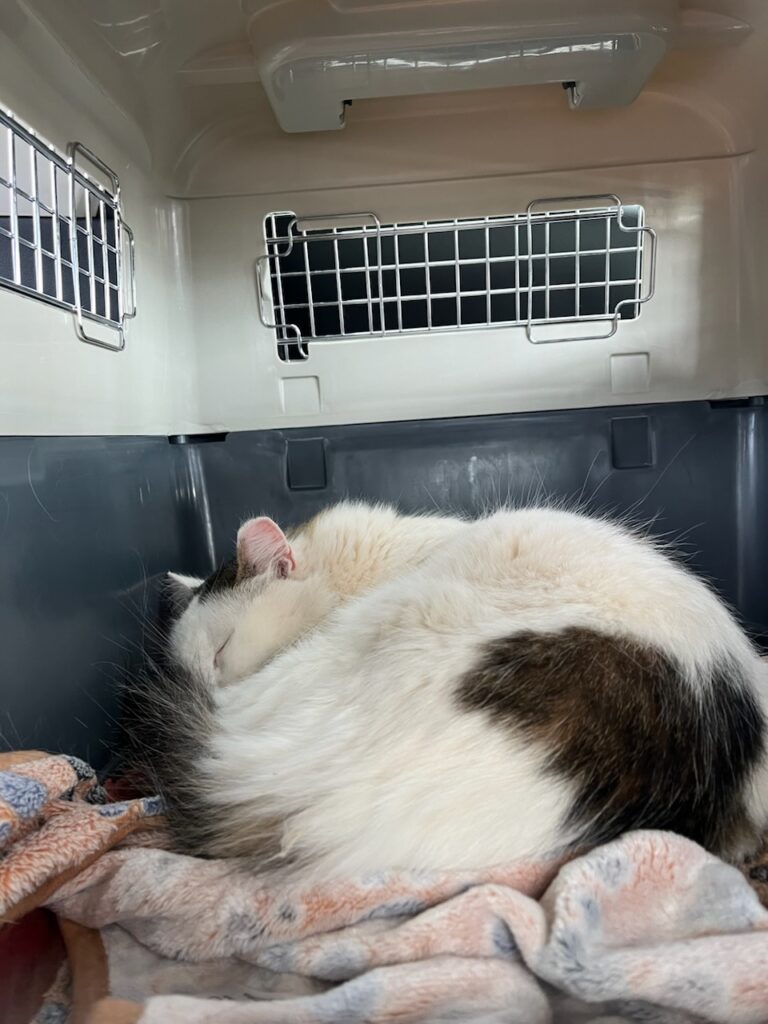
A Happy Reunion
The joy didn’t end there. Thanks to Fluffy’s microchip, HSLC confirmed his identity and retrieved his medical records, ensuring he would receive the care he needed upon his return home. Linda and Scott wasted no time; they made the 9-hour round trip all in one day from North Carolina to pick him up (see photos above). When they reunited, it was a moment filled with love, relief, and happiness. Fluffy was back where he belonged—home (see photos below).
Linda expressed her gratitude, saying, “Thank you so much for everything you have done for Fluffy and us. I honestly didn’t think we would ever see him again, but thanks to you, he is home and will always be treated like royalty. Our cats rule us!”
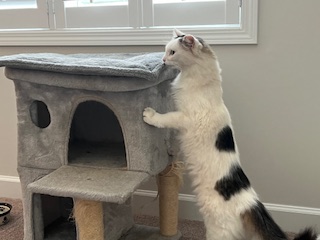
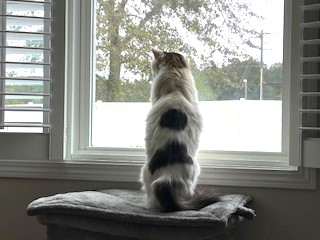
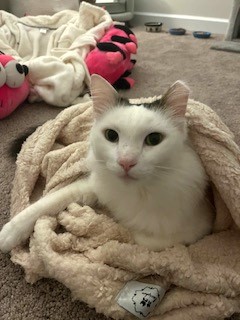
Fluffy’s story is a testament to the power of community support and the importance of microchipping pets. It also highlights the crucial role of dedicated trappers, like Sara, who take the initiative to help lost animals find their way home.
“I haven’t been trapping very long but the elusive Fluffy has definitely been the most challenging to date,” acknolwedges Sara. “I had a ton of help and support from the South Riding community neighbors. We are so happy Fluffy has finally been reunited with his family!”
If you are interested in becoming a trapper, please reach out to tnr@humaneloudoun.org or complete a volunteer application online. Training and support is available.

By Lauren Puckett
On average, cats spend 55 days in shelters before they’re adopted. That’s according to a 2020 study published in the Journal of Applied Animal Welfare Science. The study showed that socialization levels and age had an effect on each cat’s length of stay.
Adult cats and dogs, and especially seniors, and other animals perceived to be less desirable are the focus of Adopt a Less Adoptable Pet Week. Celebrated the third week of September, the week shines a light on animals that remain in foster care or shelters longer than they should.
“Less adoptable” pets may include those that are older, have special needs, and even look or behave a certain way. In the study mentioned above, for each additional year of age, it took cats an average of 3.7 more days to get adopted. Behavior also affected length of stay. Interactive cats stayed an average of 36.9 days, while approachable and unapproachable cats took 50.8 days and 118.7 days on average, respectively.
But, factors like age and even initial behavior don’t necessarily matter in the long run.
6 Reasons to Adopt a “Less Adoptable” Pet
That pet might already be trained: Less adoptable pets are often older, which means they are more likely to be housebroken and understand common training cues than puppies or kittens.
An older pet shows its true personality: Adoption applicants are often looking to adopt a kitten – but a kitten’s personality isn’t established until it reaches maturity.
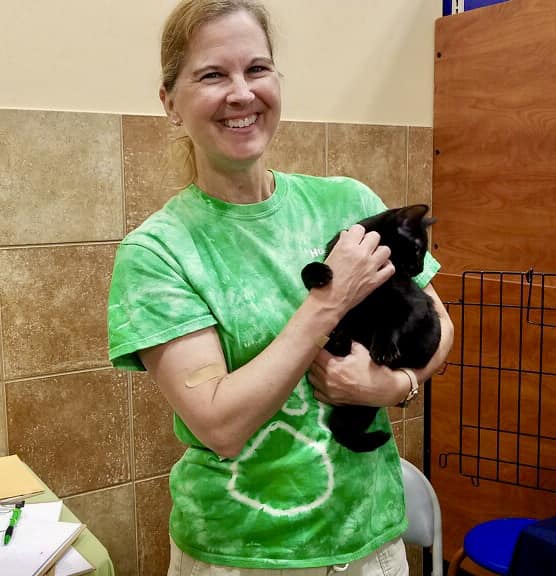
Your lifestyle might be a match: Less adoptable pets often have special needs – and those needs could be a fit for your lifestyle. Maybe you live alone and have the time to devote to a pet with medical needs. Or maybe you have a big family who can take on a high-energy animal. There are lots of possibilities for perfect-match situations.
That pet has lots of love to give: The longer an animal spends in a shelter or foster home, the more grateful they’ll be when they do find a loving home.
That pet needs a loving home: Less adoptable pets have likely been at animal shelters or in foster homes for a long time. At the same time, they have often had difficult pasts, and are more in need of a loving home than many.
You can help other animals: Shelter overcrowding is a real problem, and foster homes can be hard to come by. By adopting a less adoptable pet, you’re freeing up space and resources and helping other animals in the process.
So this week, let’s celebrate those less adoptable pets. And when you’re ready to bring a new pet into your life, consider adopting that senior dog or cat, or the one with special needs. Because that “less adoptable” animal may just become your best friend!
Looking to be the hero in an overlooked animal’s life? Check out our adoptable animals.
By Lauren Puckett
Pet insurance may seem unnecessary to many caregivers. It’s one more monthly cost that you don’t need, right? But for guardians of pets with major health issues, pet insurance may be worthwhile and provide some peace of mind. The catch is that you don’t know if or when your pet may experience a health problem – and you need to have your insurance in place before they do or that problem likely won’t be covered.
To help you decide whether pet insurance is right for you, let’s look at the essentials:
1 – Not every insurance company or plan is the same
You’ll want to research different pet insurance companies and the plans they offer. A good place to start is each company’s website. Most of them will allow you to get a free pet insurance quote if you don’t mind the promotional email you will then receive. Consider these questions:
- How extensive is the coverage? Does it cover chronic conditions? Genetic conditions? Accident and illness? Pre-existing conditions?
- Is there an option to cover wellness/preventive care like vaccinations?
- What is the monthly premium and can it be customized to meet your budget?
- What is the annual limit (the total amount you can get reimbursed in one year)?
- What is the deductible (the amount you need to pay before you get reimbursed)?
- What is the reimbursement percentage (how much the insurance company will pay you)?
2 – Many plans do not cover pre-existing issues
It’s best to sign your pet up for insurance either before or shortly after you bring them home. This is because most plans will not cover pre-existing issues (anything that arose prior to your pet being enrolled in pet insurance).
3 – There is often a waiting period
This is the window between when you sign up and when you can submit your first claim. Keep this in mind when you’re bringing a new pet into your life. As mentioned above, you may need to enroll in pet insurance before you get your pet. The duration of the waiting period will vary by insurance company. Waiting periods for illnesses are typically 14-30 days, while waiting periods for accidents are 1-15 days.
4 – Claims are paid after the fact
Most pet insurance does not function like health insurance for people, where the insurance company pays the doctor directly. In most cases, you pay your veterinary bill in full and then submit your pet insurance claim. Once the claim is approved, your insurance will reimburse you via check or direct deposit.
Keep in mind that most plans do not reimburse 100 percent of the vet bill, even when it is fully approved; they have pre-set reimbursement percentages for each health condition. This is something you’ll want to look at as you are deciding which insurance plan to go with.
5 – You can visit any veterinarian
There is no “in network” or “out of network” with pet insurance. You can visit any licensed veterinarian, including specialists and emergency clinics.
Sources:
https://www.marketwatch.com/guides/pet-insurance/pet-insurance-with-no-waiting-period
https://www.aspcapetinsurance.com/resources/pet-insurance-beginners-guide

Every year, the Clear the Shelters campaign lights up the nation, creating a powerful wave of compassion and action for our furry friends. Running from August 10 to September 10, this year’s campaign was no different, bringing a surge of support and a renewed focus on pet adoption and donations. Since its inception in 2015, Clear the Shelters has been a beacon of hope, helping more than 1 million pets find their forever homes.
The Humane Society of Loudoun County (HSLC) proudly joined the nationwide effort, participating in multiple adoption events throughout the campaign. Thanks to the generosity of our donors, we were able to offer special incentives to encourage adoptions. Adult cats and dogs had their adoption fees waived, while a special “BOGO” deal was available to help bonded kitten pairs find homes together.
Among the many uplifting adoption stories, one stands out as a shining example of the campaign’s success. At the CatVideoFest event hosted at the Alamo Drafthouse in Ashburn, a potential adopter came to meet three remaining kittens from the Kittenpalooza litter. He was so moved by the trio’s bond that he decided not to separate them. In a rare and heartwarming decision, he adopted all three kittens together. It’s moments like these that make the hard work and dedication surrounding adoption efforts so rewarding.
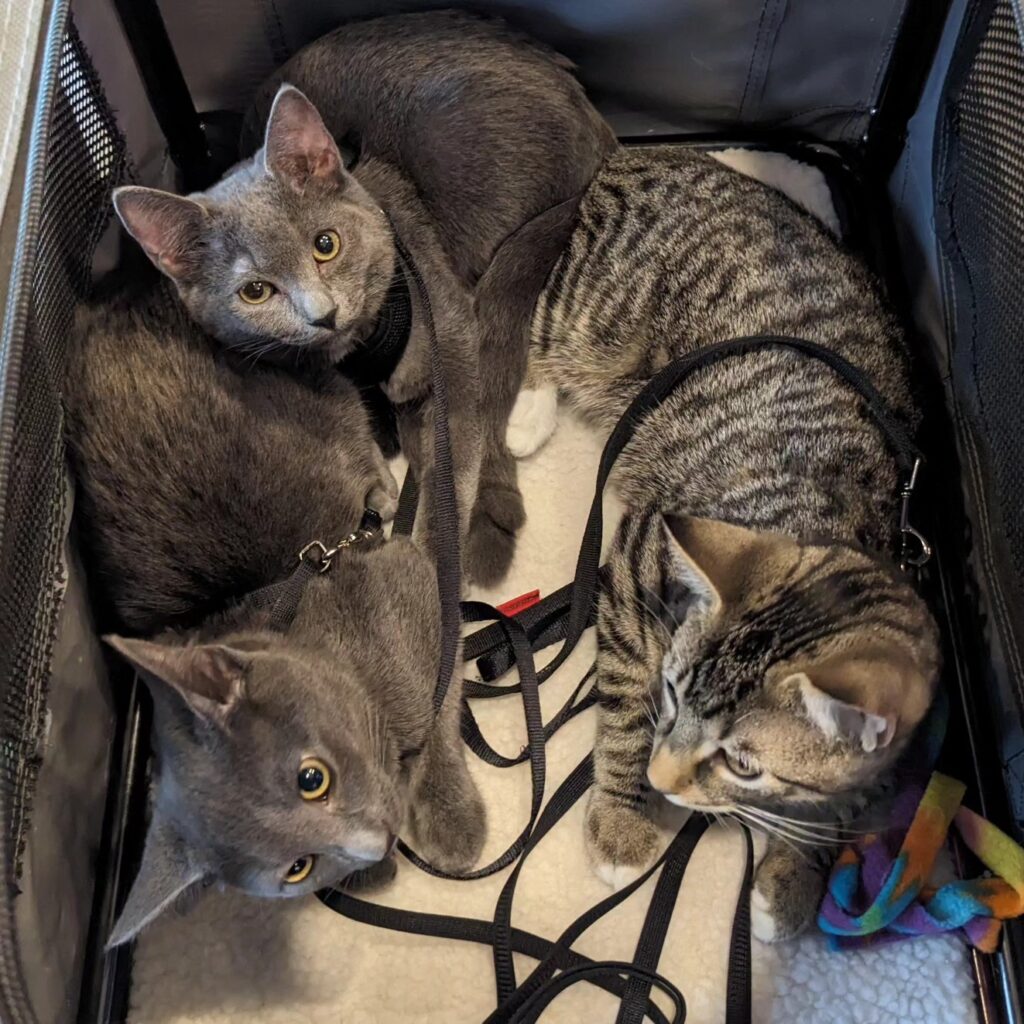
In total, HSLC successfully placed 22 animals into loving homes during the campaign. Each adoption story is a testament to the power of community support and the difference it can make in the lives of the littlest among us.
A huge thank you to everyone who supported the campaign, whether through donations, volunteering, or adopting. Your contributions are making a lasting impact on the lives of so many pets and their new families. Here’s to many more happy endings and the continued success of Clear the Shelters!

By Liz Bresnahan
If you are an animal lover, you know that a pet’s love is priceless. Life’s simple moments are that much sweeter. Maybe it is your cat’s calm purr as she keeps you company while reading or your dog’s excitement on walks that makes a routine stroll around the neighborhood anything but mundane. Pets provide so much joy and many consider them an integral part of the family.
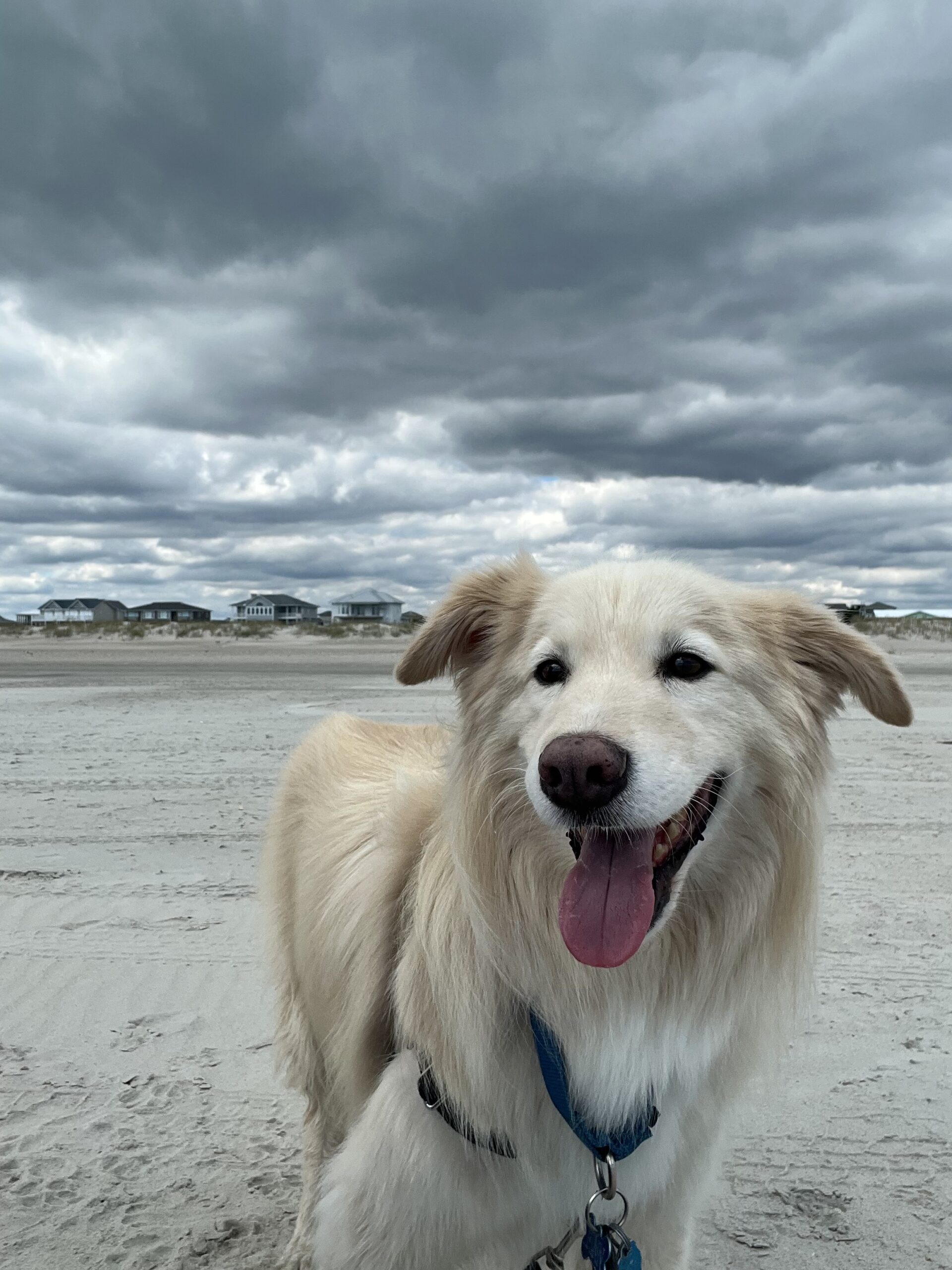
If you are thinking about adopting a pet, the Humane Society of Loudoun County (HSLC) encourages you to consider an adult animal. While you ultimately have to do what is best for your household, many families who have adopted an adult dog or cat are so glad they did. Here are a couple of points to think about if you are considering adopting an older companion animal.
Time: Quality over quantity
Adopting an adult dog or cat may mean that you do not have as many years to spend with them as you would a puppy or kitten. However, the time you do have will be that much more cherished. In certain cases, rescued animals may not have had an ideal life. However, because HSLC animals are placed in safe and loving foster homes prior to adoption, they can start to heal from their past, if needed. Once adopted, you have the unique privilege of watching your pet continue to blossom into a more happy, trusting, and confident companion. And because you are helping your dog or cat rewrite their story, you can often expect them to show you unconditional love and loyalty in return.
Training: Basics are covered
Adult dogs and cats are usually potty-trained which is definitely a point in their favor. Many adoptable dogs will also know basic commands. But, if a dog needs additional training, know that you may be able to teach an old dog new tricks if you are dedicated to working closely with them. And, when you are successful, it will be so rewarding that you have directly supported the growth and development of your furry companion.
Temperament: No surprises
One of the biggest benefits of adopting an adult animal is that you know what you’re getting. You don’t have to wonder how big they will get or how their personalities will turn out. And, with adults, you are often getting an animal with a calmer temperament. For this reason, adults can be great starter pets for families with children.
Ready to adopt? Check out the wonderful adult animals that are available for adoption right now. Rest assured, HSLC will work with you to find the right animal to fit your household and lifestyle.