
SIMPLE WAYS TO MAKE YOUR PET’S GOLDEN YEARS MORE COMFORTABLE
By Uchenna C. Okeke
Growing old is a natural part of life, and pets are no exception. As they age, their needs change, and they may become less active, sleep more, move more slowly or develop health challenges that require extra attention. Although these changes are a normal part of aging, you can make their golden years healthier, happier and more comfortable. Here are some simple ways to get started:
1. Make Their Environment Comfortable
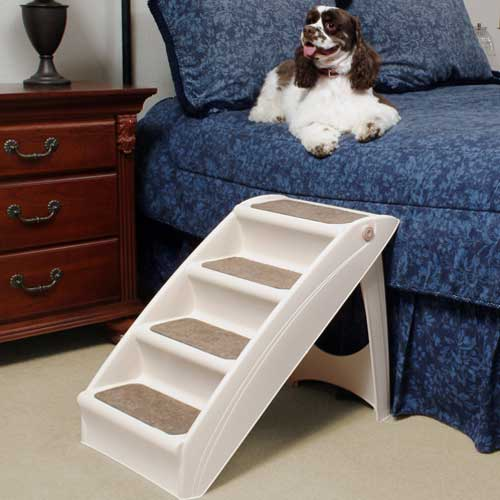
As pets grow older, movement may become more difficult, especially when climbing stairs or jumping onto furniture. Consider providing your pet with a soft, comfortable bed in a warm, quiet corner, with a thick mat or blanket to cushion their joints. Place rugs or non-slip mats on slippery floors to prevent falls and consider small steps or pet ramps to help them reach their favorite spots without straining themselves. Keep their food and water within easy reach and give them a peaceful place to rest without disturbance.
2. Pay More Attention to Their Diet
As pets grow older, their nutritional needs change. They may become less active, burn less energy and develop more sensitive stomachs. Consult your veterinarian about suitable food and portion sizes for their age and health condition. Some may need specially formulated senior food or softer meals, particularly if they have dental problems. Also monitor their weight, as excess weight can put additional pressure on their joints. Remember, the goal is to keep them strong and healthy.
3. Keep Their Body Moving Gently
Older pets still need exercise, but their routines should suit their physical abilities. Replace long walks and intense play with shorter, slower walks or gentle activities. Allow dogs to walk at their own pace and cats to enjoy brief play sessions with soft toys. The goal is to keep their joints flexible and minds active without exhausting them. Watch for signs of discomfort, such as limping or heavy breathing, and allow them to rest when needed.
4. Schedule Regular Veterinary Check-ups
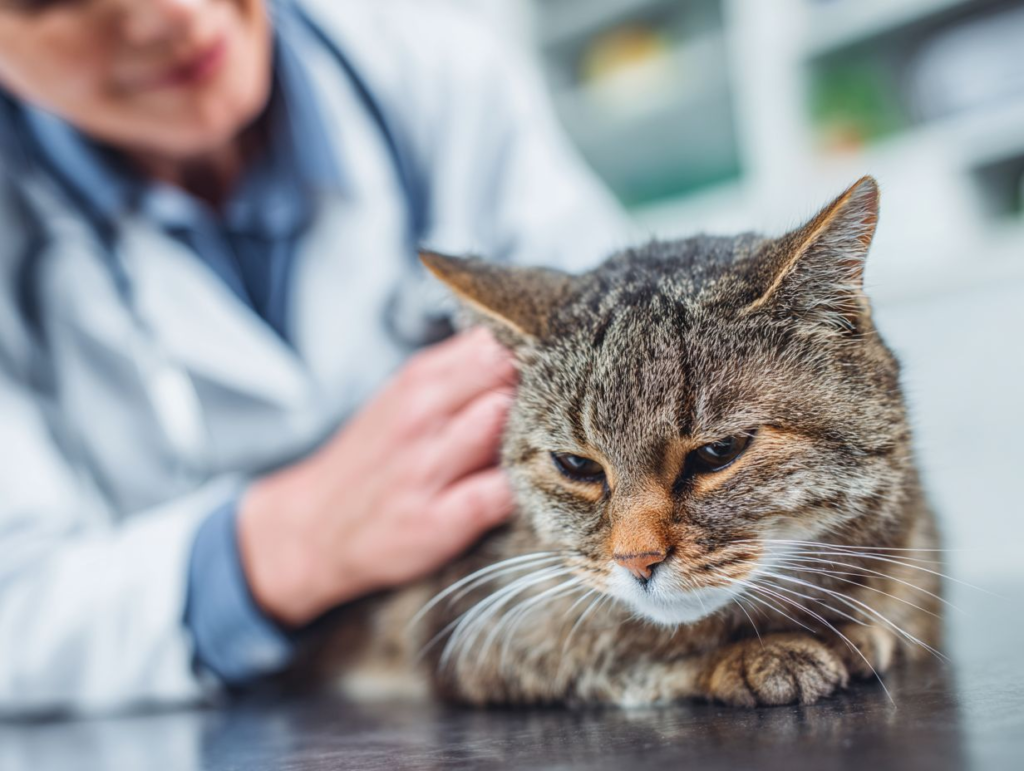
Regular veterinary check-ups become more important as pets grow older because some health problems may develop without obvious signs. Pay attention to changes in their appetite, thirst, weight, sleep, movement or behavior, as these may indicate underlying health issues. Do not assume unusual changes are simply part of aging. Early veterinary attention can help detect problems and ensure your pet receives the right care and treatment.
5. Maintain Good Grooming and Hygiene
Aging pets may find it harder to groom themselves properly. Their coats may become dull or matted, their nails may grow longer, and dental problems may become more common. Regular brushing, nail trimming, ear cleaning and dental care can help maintain their comfort and hygiene. Pay attention to areas they may struggle to reach themselves. If grooming becomes difficult, consider seeking help from a professional groomer or veterinarian.
6. Give Them Extra Attention and Patience
As pets grow older, they may become less active, more dependent or experience changes in their hearing, vision and memory. Some may become anxious when left alone, struggle to find their food or have occasional accidents indoors. Rather than becoming frustrated, understand that these changes may be part of aging and deserve patience and care. Spend quality time with them through gentle play, quiet companionship and familiar activities. Speak softly, avoid startling them and brush their fur gently. If they become anxious when alone, placing a familiar blanket or an old piece of clothing with your scent near their bed may provide comfort. Allow them to rest, move at their own pace and enjoy your company.
Remember, small adjustments to their diet, exercise and living environment can make a world of difference as they grow older. Sometimes, all they need is a little more time, patience and attention. With thoughtful care and compassion, you can help make their golden years comfortable, happy and full of dignity.
#Adoptdontshop #HSLC