
I’LL ROCK THE LOOK, BUT PLEASE LET ME BREATHE
IF YOUR PET COULD SPEAK, PART 6
By Uchenna C. Okeke
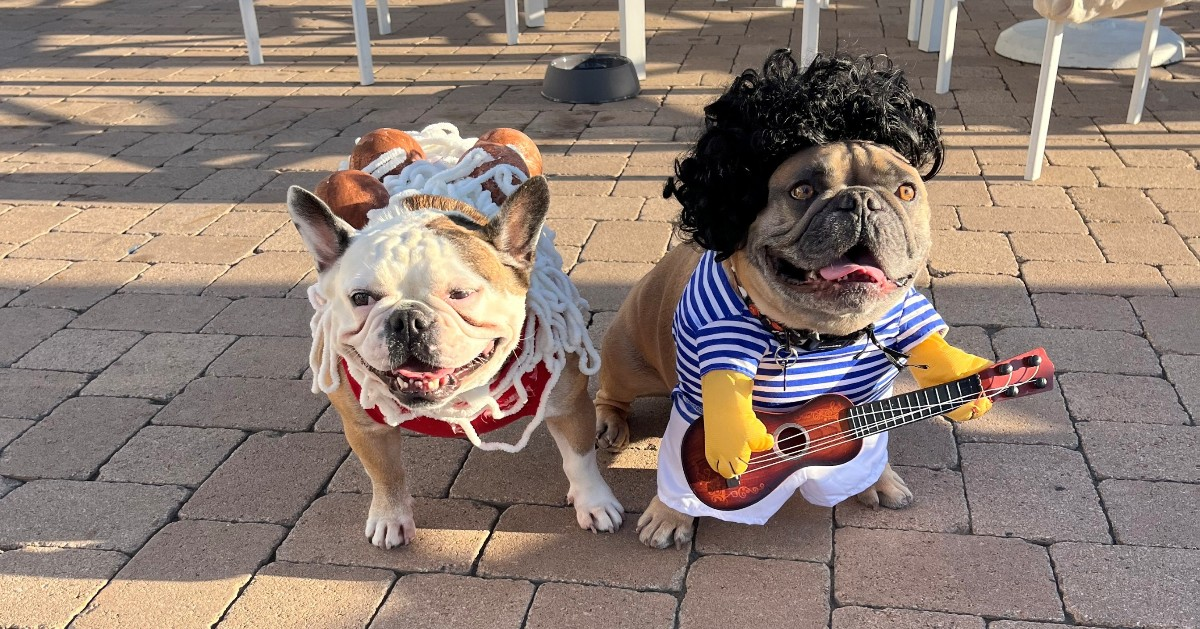
To dress up a companion animal or not is a question that always stirs mixed feelings. While some pet parents may think costumes are adorable, festive, and a way to make their furry friends part of the celebration, others may believe that it is unnatural or stressful, that pets should simply be their beautiful selves. But if your pet could speak, what would they say about this topic? Would they wag and purr in approval or politely beg, “I’ll rock the look, but please let me breathe”?
They would likely tell you to weigh the pros and cons carefully, and to make a choice that lets them look good, feel safe, and breathe easy. Because while looking cute may matter to you, comfort and well-being matter even more to them.
The Two Sides of Pet Costumes
Before you reach for that superhero cape or bumblebee costume, take a moment to consider both sides. Let’s break down the pros and cons to help you make a decision that truly puts your pet’s best interests first.
Pros (The Fun Side)
- Costumes can make pets extra adorable and photogenic.
- Dressing up can help confident pets enjoy social attention and interaction.
- When done safely, costumes make holidays more memorable for both humans and animals.
- Comfortable costumes can help pets stay warm in cold weather.
Cons (The Risks)
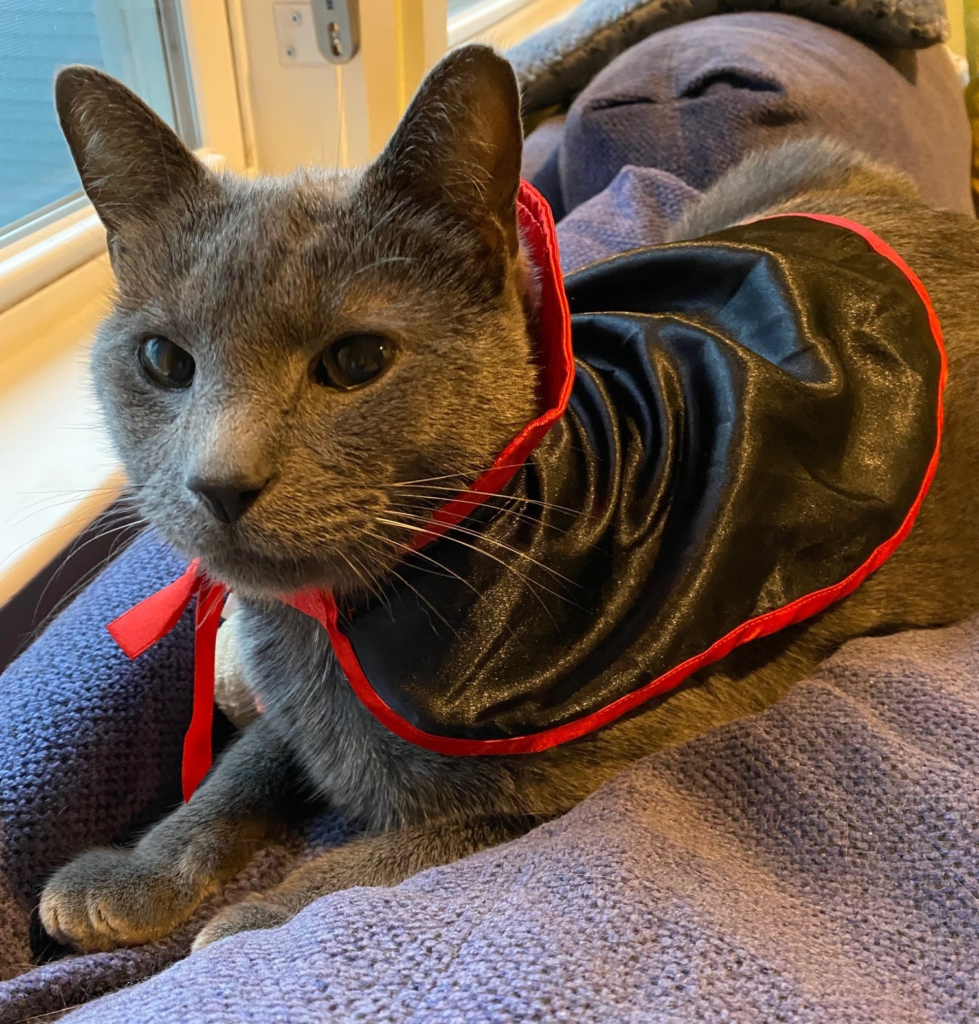
- Some outfits can restrict breathing, movement, or vision.
- Certain fabrics or materials may cause itching, overheating, or discomfort.
- Costumes can increase stress and anxiety, especially for shy or sensitive pets.
- Small parts or accessories can be chewed, swallowed, or become choking hazards.
- Outfits that block ears, eyes, or whiskers can confuse pets, especially in noisy or crowded environments.
If You Decide to Use a Costume
Here are a few ways to make sure your pet stays comfortable and happy:
- Start small: Try a festive collar or bandana before a full costume.
- Choose breathable fabrics: Soft, lightweight, and non-restrictive materials are best.
- Ensure proper fit: You should be able to slip two fingers between your pet and the costume.
- Avoid small parts: Choose simple, secure outfits without anything your pet could chew or swallow.
- Limit costume time: Dress them up for short periods, under supervision only.
- Check regularly: Never leave your pet unattended in a costume. Watch how they react, move, and behave throughout.
Signs to Watch for If Your Pet is Uncomfortable
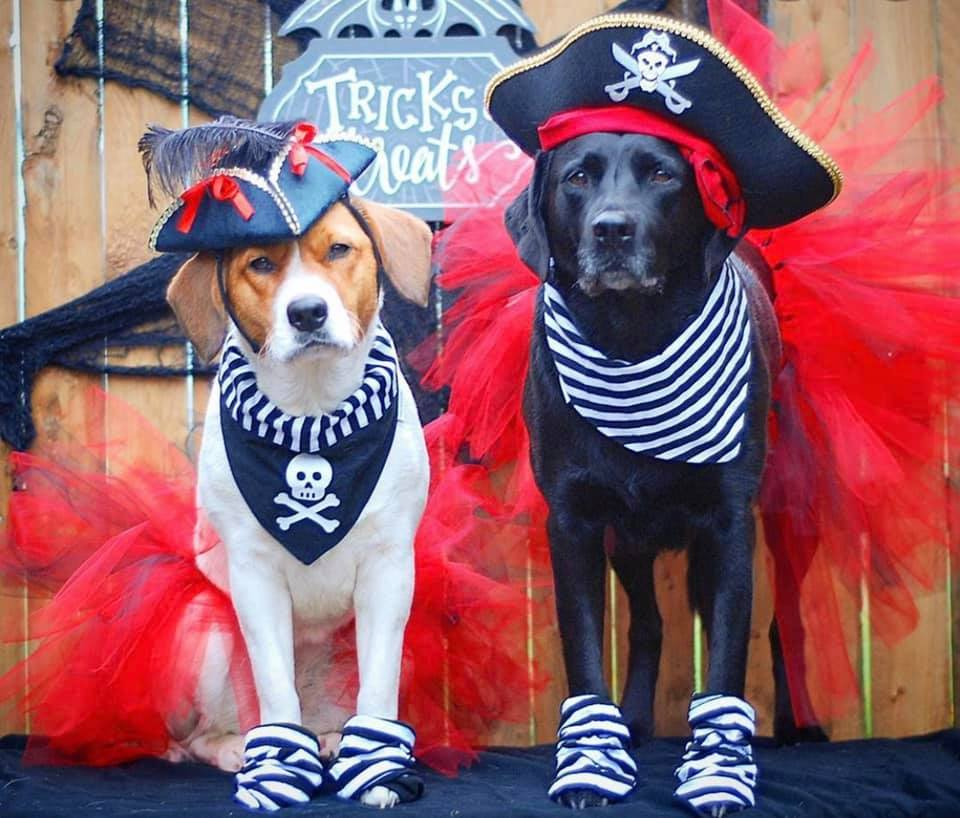
Pay close attention to your pet’s body language. If you notice any of these signs, it’s time to take the outfit off immediately:
- Refusal to move or frozen posture
- Pawing or scratching at the costume
- Hiding or trying to escape
- Excessive panting or drooling
- Flattened ears, tucked tail, or widened eyes
- Whining, growling, or sudden aggression
Dressing up pets can be a delightful experience, if done with care, love, and consideration. Some pets may tolerate it and even seem to enjoy the attention. Others may prefer to skip the fashion show entirely. The key is knowing your pet, watching their cues, and remembering that their comfort always comes before your camera roll.
Let fashion be fun and never forced!